SD Custom Painting

How Long Does Paint Last? A Complete Guide to Paint Shelf Life and Storage

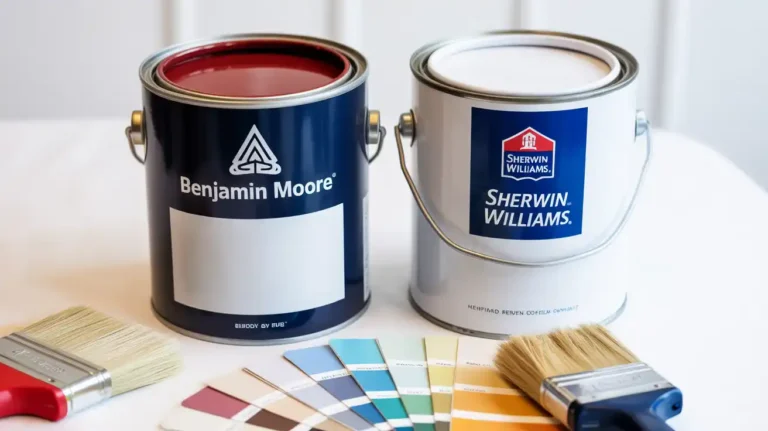
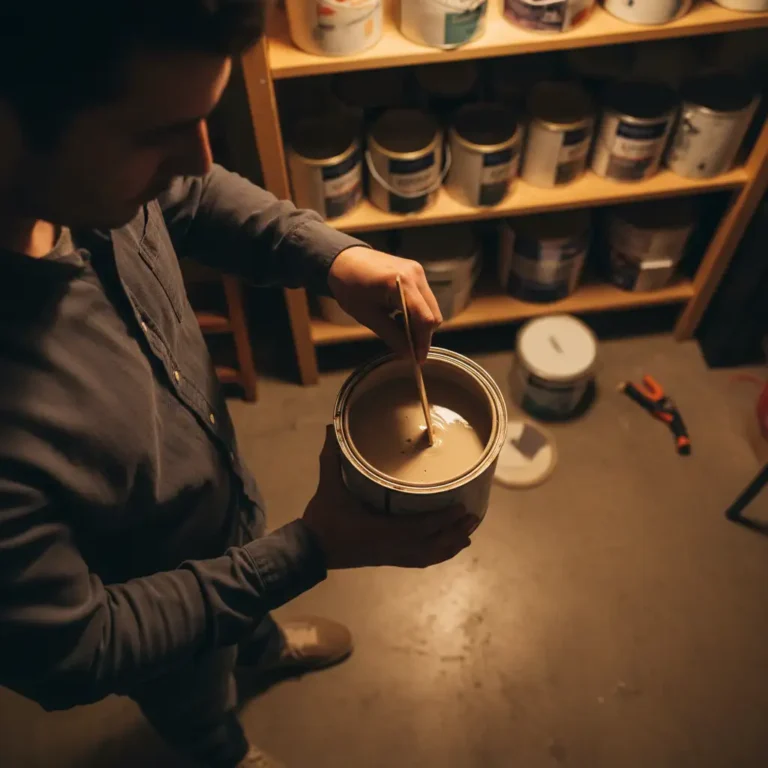
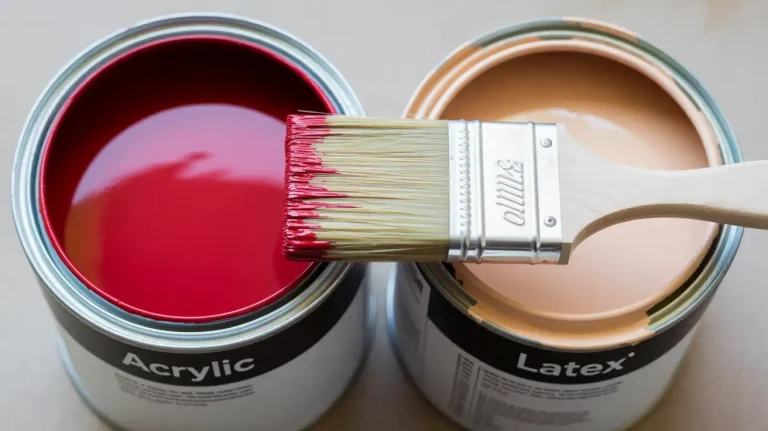
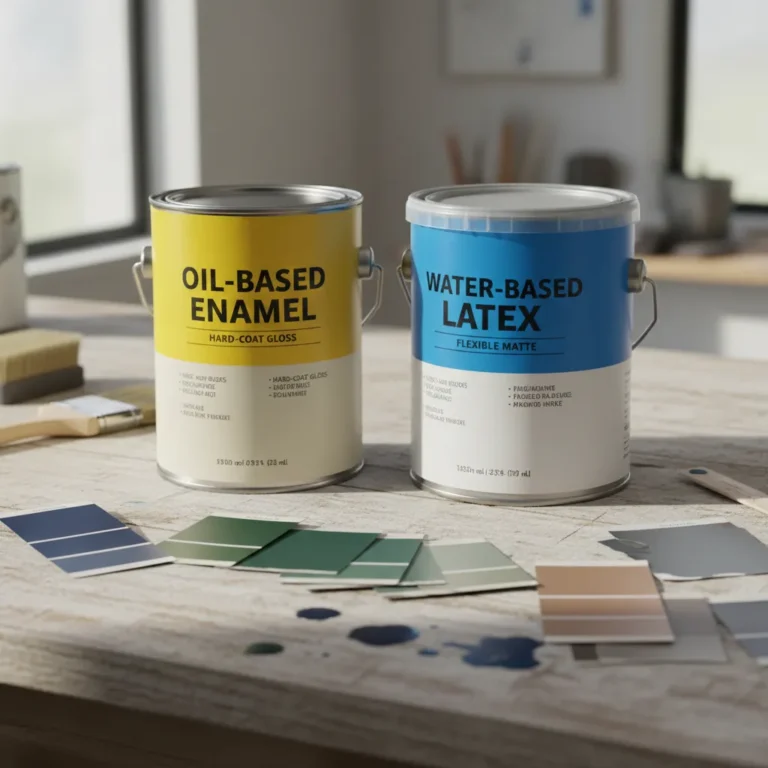
Paint is not cheap, and no one wants to throw away half a can that might still work. Many people ask how long does paint last after a project ends and the cans go into storage. The short answer is this: most unopened latex and acrylic paints can last up to 10 years, while oil based paint can last even longer if stored right. Opened cans usually last 2 to 5 years, depending on storage and contamination. If you still have leftover paint from interior painting or exterior work, you can often save it and use it later for touch ups. This guide explains paint shelf life, how to tell if paint is bad, how to store extra paint, and when to throw it away. You will also see lifespan by paint type and by surface, which most guides skip. Key Points The shelf life of paint depends on the type of paint and storage. Unopened latex paints and water based paints can last up to 10 years. Oil based paint can last 10 to 15 years when sealed well. Open paint often stays good for 2 to 5 years. Extreme temperatures in a garage or shed shorten paint life. Signs of expired paint include sour smell, lumps, and mold. You can sometimes use old paint for small touch ups after testing. Proper sealing with plastic wrap and tight lids helps paint stay good longer. How Long Does Paint Last? The answer varies dramatically based on paint chemistry and storage practices. Brandon Walker, a paint expert with over 20 years in construction, explains that unopened cans last considerably longer than opened ones. Temperature and humidity control determine whether your paint survives years or spoils within months. Average Lifespan of Common Paint Types Latex Paint: 2-5 years once opened, up to 10 years unopened. The most popular choice for interior walls, latex paint contains water as its primary solvent. This makes it vulnerable to freezing temperatures and bacterial growth. Sherwin-Williams latex products typically offer a 3-year shelf life with proper storage. Acrylic Paint: 5-10 years for both opened and unopened cans. Acrylic formulations resist temperature fluctuations better than standard latex. The synthetic polymers in acrylic paint maintain stability longer, making this a smart choice if you plan to store leftover paint. Oil-Based Paint: 10-15 years unopened, 5-10 years after opening. These alkyd-based paints contain solvents that prevent freezing and bacterial contamination. While oil-based options last longest, they require careful disposal due to hazardous chemical content. Chalk Paint: 1-2 years maximum. The unique matte finish and thick consistency of chalk paint comes with a shorter lifespan. Unopened chalk paint stored in cool, dry conditions might stretch to 3 years, but don’t count on it. Milk Paint: 1-2 weeks after mixing. This natural, powdered paint requires mixing with water before use. Once mixed, milk paint spoils quickly like actual dairy products. Store the unmixed powder for years, but use mixed batches immediately. Brand matters for shelf life guarantees. Behr water-based paints carry a 2-year shelf life recommendation according to Ed Edrosa, senior project manager at Behr. Benjamin Moore and Glidden products offer similar timeframes for their latex lines. Water-Based vs. Oil-Based Paint Longevity Temperature swings affect these paint types differently. Water-based paints including latex and acrylic contain up to 80% water content. When stored in a garage or shed where temperatures drop below freezing, the water separates permanently from solids. You’ll see a curdled, cottage cheese-like texture that no amount of stirring can fix. Oil-based paints handle temperature variations better thanks to petroleum-based solvents. A can of oil-based enamel survives occasional temperature fluctuations that would destroy latex paint. However, extreme heat above 90 degrees can cause oil-based formulas to thicken or even become flammable. Dennis Fiorilli, director of product excellence at Sherwin-Williams, recommends against garage storage for any paint type. The temperature swings typical in unheated garages reduce shelf life by 50% or more compared to indoor storage. How to Identify Expired Paint Opening a questionable paint can require caution. Fresh paint has a distinct chemical smell, but nothing offensive. Spoiled paint announces itself immediately through smell and appearance. Rancid Odor: Expired paint smells sour or sulfuric, similar to rotten eggs or spoiled milk. This odor indicates bacterial growth in water-based paints or chemical breakdown in oil-based varieties. No amount of stirring fixes this problem. Dispose of any paint with this smell immediately. Chunky Consistency: After thorough stirring with a paint stick, good paint appears smooth and uniform. Bad paint remains lumpy with solid chunks floating in liquid. These chunks won’t dissolve and will create ugly blemishes on your walls. The cottage cheese texture means the paint’s chemical structure has failed. Color and Finish Changes: Paint that was once bright white but now looks yellowed or dingy has degraded beyond use. The color won’t match your walls, and the finish may apply unevenly. Oil-based paints yellow more than water-based formulas over time. Skinning: A thin, dried film on top of the paint indicates air exposure. Small amounts of skinning can be removed and strained out. Excessive skinning throughout the can means the paint has oxidized too much for quality results. Separation That Won’t Mix: Some settling is normal. Gravity pulls heavier solids to the bottom over time. If the paint remixes to a smooth consistency after stirring for 2-3 minutes, it’s likely still good. Paint that stays separated after vigorous mixing has broken down permanently. Professional painters shake old cans at the store before projects. This mechanical shaking helps remix separated ingredients that hand stirring can’t fix. Most paint stores offer free can shaking if you’re using their products. How to Properly Dispose of Old Paints Paint disposal laws vary by location, but the basics apply everywhere. Never pour substantial amounts of paint down drains, toilets, or storm sewers. The environmental damage isn’t worth the convenience. Latex and Water-Based Paint Disposal Good news: latex paints aren’t considered hazardous waste in most areas. You can dispose of dried latex paint in regular household

How Much Does it Cost to Paint Interior of House? [2026 Data]

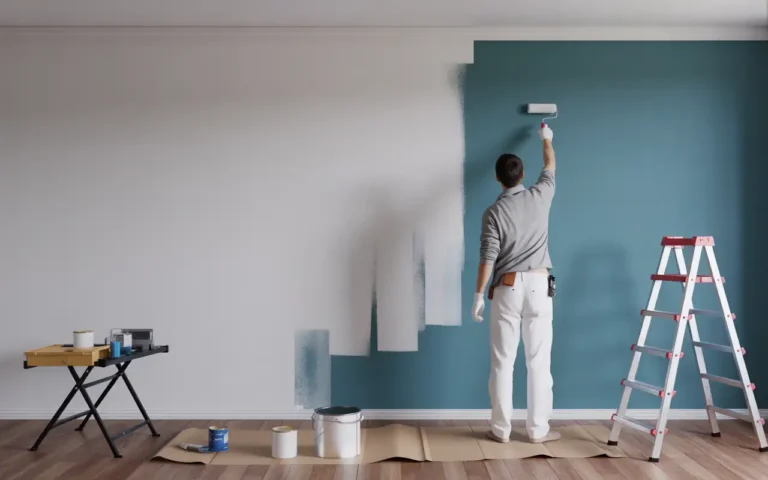
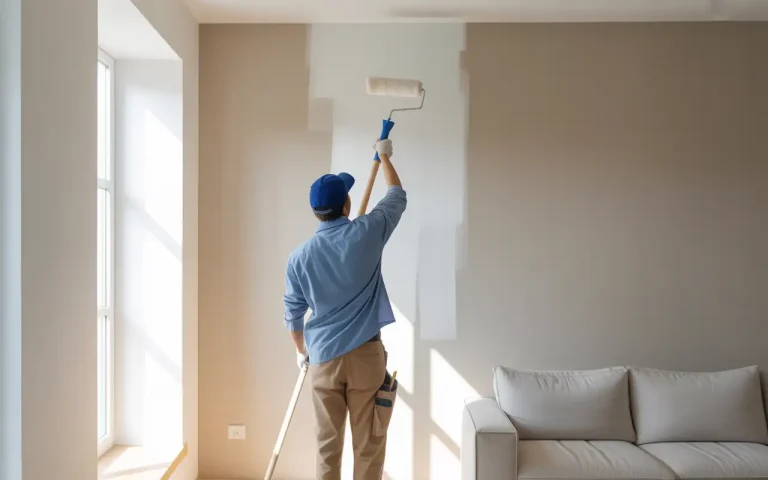
Home / How to Remove Mold from Painted Walls (Easy DIY Guide) Planning a fresh look for your home? You’re not alone. Thousands of homeowners face the same question every year: what’s the real cost to paint interior of house spaces? The confusion is real. One quote says $3,000, another says $8,000 for the same project. Here’s the truth: the average cost to paint an interior house in 2026 ranges from $1,800 to $12,000 for most homes. A typical 2,000 square foot home costs between $4,200 and $9,500. But your actual price depends on room size, paint quality, wall condition, and whether you hire professionals. This guide breaks down every cost factor with real 2026 pricing data to help you budget accurately. What is the Average Cost to Paint Interior of House in 2026? The national average sits at $6,850 for a complete interior paint job. However, this number shifts based on your location and project scope. Urban areas like San Diego, Los Angeles, and New York see higher rates due to increased labor costs. Rural regions typically charge 20-30% less. Most professional painters charge between $2 and $6 per square foot for basic wall painting. When you add ceilings, trim, and doors, expect $3.50 to $7 per square foot. These rates include labor, materials, and basic prep work. Small apartments (500-800 sq ft) cost $1,500 to $3,200. Medium homes (1,500-2,000 sq ft) run $4,000 to $10,000. Larger properties (3,000+ sq ft) can exceed $15,000 depending on complexity. Interior Painting Cost Per Square Foot The painting rate per square feet varies widely across the country. Here’s what you can expect in 2026: Walls only: $1.50 to $3.50 per square foot Walls and ceilings: $2.50 to $5 per square foot Complete package (walls, ceilings, trim, doors): $3.50 to $7 per square foot These rates change based on several factors. High ceilings add $0.75 to $1.25 per square foot. Textured walls increase costs by 15-25%. If your walls need extensive prep work like patching holes or fixing cracks, add another $0.50 to $1.50 per square foot. The painting labor cost per square foot alone ranges from $1 to $3. Materials account for another $0.75 to $2.50 per square foot. Professional painters in San Diego typically charge $2.25 to $4.50 per square foot for labor, reflecting California’s higher cost of living. Cost to Paint a 1500 Square Foot Interior A 1,500 square foot home represents the average American residence. The total cost breaks down like this: Budget option: $2,400 to $4,000 Mid-range quality: $4,500 to $7,200 Premium finish: $7,500 to $10,500 The budget option uses basic latex paint with minimal prep work. You get one coat on walls only, standard colors, and basic surface cleaning. This works fine for rental properties or quick refreshes. Mid-range projects include quality paint brands like Sherwin Williams or Benjamin Moore. You get two coats on all surfaces, proper prep work, and trim painting. Most homeowners choose this tier for the best value. Premium services offer specialty paints, detailed surface repair, crown molding treatment, and meticulous finishing. The results last longer and look noticeably better. Cost to Paint Specific Areas of a Home Breaking down costs by room helps you prioritize your budget. Here’s what different spaces cost in 2026: Bedrooms Small (10×10): $300 to $650 Medium (12×14): $450 to $850 Large (14×16): $550 to $1,100 Bedrooms are straightforward to paint. The basic box shape means fewer corners and edges. Most rooms take 6-10 hours of labor. Living Rooms Standard living room: $600 to $1,200 Large open concept: $900 to $1,800 Living rooms cost more due to size and features. Open floor plans, built-in shelving, and accent walls increase complexity. High ceilings can add $200 to $400 to the base price. Kitchens Basic kitchen: $500 to $1,000 Kitchen with cabinets: $1,200 to $2,500 Kitchen painting takes extra time. Painters work around appliances, backsplashes, and cabinets. If you’re painting cabinets too, expect to pay $30 to $100 per cabinet door. Bathrooms Half bath: $200 to $400 Full bathroom: $350 to $700 Bathrooms need moisture-resistant paint, which costs $5 to $10 more per gallon. The small space means less material but more detailed work around fixtures. Hallways and Stairs Hallway (per 10 linear feet): $150 to $300 Stairwell: $400 to $900 Stairwells pose safety challenges. Painters need special equipment to reach high walls, increasing labor time and costs. How Much Does It Cost to Paint an Entire House Interior? Whole-house projects offer better value than room-by-room painting. Here are complete interior costs by home size: 1,000 sq ft: $2,200 to $5,000 1,500 sq ft: $3,300 to $7,500 2,000 sq ft: $4,400 to $10,000 2,500 sq ft: $5,500 to $12,500 3,000 sq ft: $6,600 to $15,000 These estimates assume standard 8-9 foot ceilings, good wall condition, and mid-grade paint. Vaulted ceilings, extensive damage repair, or premium materials push costs higher. The going rate to paint the interior of house spaces improves with larger projects. Contractors often discount 10-15% for whole-house jobs versus individual rooms. Additional Costs To Consider Beyond basic painting, several extras affect your final bill: Surface Preparation Wall washing: $0.25 to $0.50 per sq ft Hole patching: $50 to $150 per room Drywall repair: $75 to $300 per room Sanding and smoothing: $1 to $2 per sq ft Proper prep work makes or breaks paint jobs. Skip it, and you’ll see peeling within months. Materials and Supplies Quality paint: $30 to $75 per gallon Primer: $20 to $40 per gallon Drop cloths, tape, supplies: $100 to $300 per project Each gallon covers 300 to 400 square feet. Most projects need two coats, so calculate accordingly. Special Treatments Textured wall removal: $1 to $3 per sq ft Mold treatment: $200 to $800 Lead paint testing and removal: $300 to $1,500 Older homes may require these services before painting can begin. Moving and Protection Furniture moving: $50 to $500 Floor protection: $50 to $150 Fixture removal and reinstallation: $100 to $400 Some painters include basic furniture moving. Others charge extra

The Best Type of Paint for Kitchen That Lasts 10+ Years

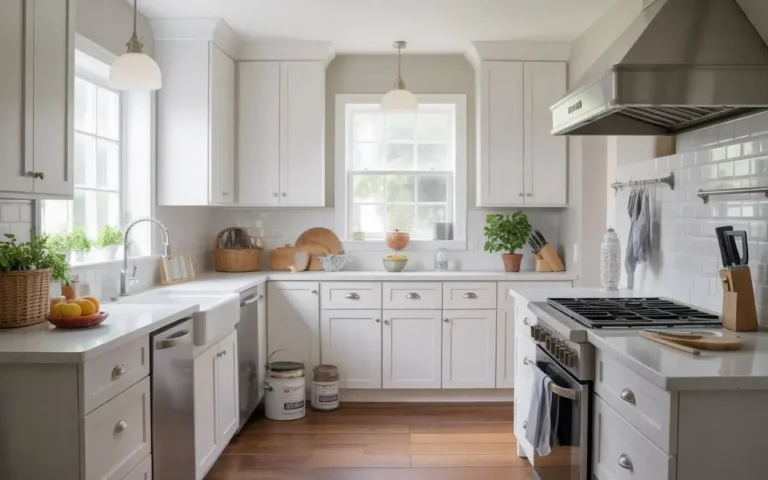
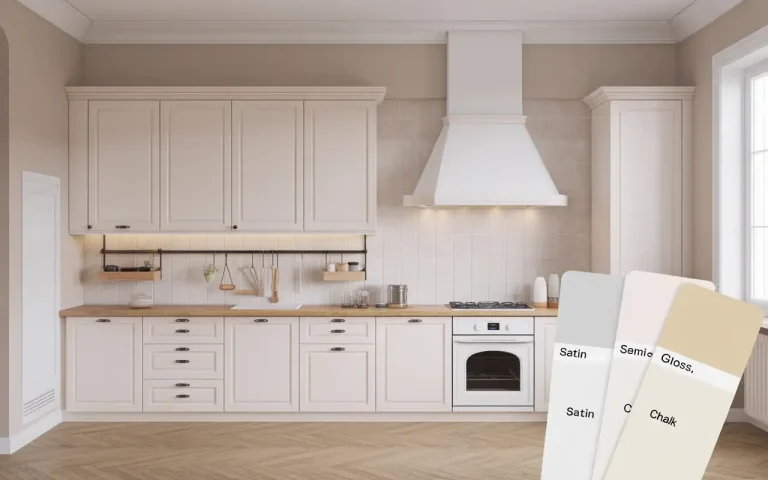
The Best Type of Paint for Kitchen That Lasts 10+ Years Choosing the right type of paint for kitchen spaces is more than just picking a color. It’s about protecting your walls, making cleaning easier, and creating a space you enjoy. Kitchens are full of moisture, heat, and mess. That’s why not every painting works here. This guide will show you the best paint types and finishes for kitchen walls, cabinets, and ceilings. Which Type of Paint is Best for Kitchens? Paint in a kitchen does more than look good. It needs to stand up to heat, steam, oil splashes, and daily wear and tear. A poor choice can peel, stain, or become impossible to clean. When picking the best paint type for kitchen areas, focus on these features: Moisture resistance Washability Durability in high traffic areas Sheen that reflects light well but hides flaws Compatibility with existing surfaces Paint Finish Performance Comparison: Finish Type Durability (1-10) Moisture Resistance Cleaning Ease Best Kitchen Areas Satin 8 High Very Good Main walls, dining areas Semi-Gloss 9 Excellent Excellent High-splash zones, cabinets Gloss 10 Excellent Excellent Backsplash areas, trim Chalk 4 Poor Difficult Accent walls only The best paint type for kitchen walls depends on specific areas and usage patterns. High traffic areas need more durable finishes, while decorative spaces can use softer options. 1. Satin – The Best of Both Worlds Satin finish is one of the most popular choices for kitchen wall paint and ceilings. It has a soft sheen that reflects light without highlighting every flaw. It’s easier to clean than flat paint but hides imperfections better than gloss. Satin resists grease, steam, and mild scrubbing. It holds up well in high traffic areas like kitchens. Satin is considered the best balance between durability and sheen for kitchens.It’s ideal for kitchen ceilings, walls, and even trim if you want a uniform look. 2. Gloss/Semi-Gloss – For a Sleek, Wipeable Finish If you’re after shine and durability, semi-gloss and high gloss paint finish are top picks for kitchens. Glossy paints are highly resistant to moisture and stains. They’re extremely easy to clean, perfect for areas near stoves or sinks. Semi-gloss is softer and less shiny, but still very tough. These finishes work best for: Kitchen cabinets Baseboards and trim Backsplashes and doors Not sure which one to choose? Go with semi gloss paint for kitchen cabinets and gloss for small decorative accents. The gloss vs satin for kitchen debate usually ends with gloss for surfaces that need frequent cleaning. 3. Chalk – For a Soft, Matte Look Chalk paint is a stylish option for certain kitchen elements, especially if you love a vintage or farmhouse look. It offers a flat finish with deep, rich color. Great for painting furniture or refinishing cabinets. Not ideal for high-moisture areas unless sealed. Use chalk paint for accent areas, such as a coffee bar corner or pantry door. Avoid using it for full kitchen wall paint colors unless you’re ready to apply a strong topcoat for protection. What Type of Paint is Best for Kitchen Cabinets? Kitchen cabinets take a beating. Hands, spills, heat, and steam can damage low-quality paint fast. So what’s the best paint for kitchen cabinets? The best paint for kitchen cabinets is a high-quality enamel or acrylic latex with a semi-gloss finish. Here’s a breakdown of the best cabinet paints: Acrylic Latex Paint Water-based and low in odor. Dries quickly and is easy to clean. Durable when paired with a bonding primer. Oil-Based Paint Extremely durable and leaves a hard finish. It takes longer to dry and has strong fumes. Less commonly used due to environmental regulations. Enamel Paint Creates a tough, smooth surface. Resists chipping and cracking. Available in both water- and oil-based forms. Don’t forget the primer. A bonding primer helps paint stick to slick surfaces like laminate or pre-finished wood. Tip: Avoid flat paint on cabinets. It marks easily and doesn’t hold up to scrubbing. Should You Hire a Professional Painter to Paint Your Kitchen? Painting a kitchen isn’t as easy as it seems. Between taping, prepping, sanding, and multiple coats, it can be a big job. Hiring a pro can save time and stress. Benefits of Hiring a Pro: Clean, even finish with no drips or brush marks Expert color advice for wall and cabinet combos Proper prep and sealing for longer-lasting results Access to high quality paint products and tools While DIY can save money, it may not deliver professional-level results especially in painted kitchen cabinets or around tight corners. For homeowners in Spring Valley or greater San Diego, you have access to expert help close by. San Diego Custom Painting offers expert kitchen painting services in Spring Valley and nearby areas. Transform Your Kitchen with a Fresh Coat of Paint from San Diego Custom Painting A fresh coat of paint can completely change how your kitchen feels. Whether it’s a modern, clean white or bold color contrast, paint is one of the fastest ways to refresh your space. At San Diego Custom Painting, we provide: Interior Painting for kitchen walls, ceilings, and trims Cabinet Refinishing and Repainting Color Consultation to help you pick the right tone and finish We use durable paints that resist stains, grease, and moisture ideal for any painting project in a kitchen. And for bigger makeovers, we also offer exterior painting and interior painting services in San Diego and nearby areas. Ready to upgrade your kitchen? Get a free quote today and bring your dream kitchen to life. FAQ’S Which type of paint is best for kitchens? Satin and semi-gloss paints are the best for kitchens due to their durability, moisture resistance, and easy cleaning. Which painting is best for kitchen walls? Satin finish is ideal for kitchen walls because it offers a smooth, easy-to-clean surface that resists stains and moisture. Should kitchen walls be eggshell or satin? Satin is preferred over eggshell paint for kitchen walls, as it holds up better in steamy, high-traffic areas.   Do you need

How to Paint Over Oil Based Paint (4 Easy Steps)

Home / How to Paint Over Oil Based Paint (4 Easy Steps) Painting over oil based paint seems tricky, but it’s completely doable with the right approach. The key? Proper surface preparation and using a bonding primer to bridge the gap between oil and water-based formulas. Most older homes have oil based coatings on trim, doors, and cabinets. While oil paint was popular decades ago for its durability, today’s latex paints offer better performance with fewer health risks. This guide shows you exactly how to paint over oil based paint without peeling or cracking issues. How to Identify Oil-Based Paint Before painting on top of oil based paint, you must confirm what is already on the surface. Water based paint and oil based paint behave very differently. Clean a small spot first, then dip a cotton ball or cloth in denatured alcohol and rub the area. If the color wipes off, the old coating is latex or another water based paint. If nothing comes off, you are dealing with an oil based coating. Repeat this test on trim, doors, and cabinets in older homes, because these are common places where oil was used. Make a note of every surface that resists the alcohol test so you can follow the correct prep steps later. Safety First: Working Around Old Paint Old oil paint can hide more than just color problems. It can hold dust, grease, and sometimes even lead. Always wear gloves, eye protection, and a dust mask or respirator when you sand or clean glossy surfaces. Open windows and use fans to keep fresh air moving, especially in painted interior rooms. In very old homes, consider a lead test kit before heavy sanding. If you suspect lead, avoid dry sanding and talk with a local pro or inspector about safe options. How to Prepare the Surface Good results come from good prep. Painting over oil based paint without prep almost always leads to failure. Repair first. Fill small dents and nail holes with wood filler or spackle and let it dry. Lightly sand these spots with fine sandpaper so they blend into the rest of the surface. Remove loose or failing paint with a scraper. If pieces are flaking, you must remove anything that is not tightly bonded. Painting over loose material will not “lock it down.” How to De‑Gloss and Clean (TSP and sanding) Oil paint cures into a hard, glossy shell. Your main goal is to give the new coating something to grip. Lightly sand all glossy surfaces with 180–220 grit sandpaper. You are not trying to strip the wall; just knock down the shine and dull the surface. Wipe away dust with a tack cloth or a damp rag. Mix a cleaning solution of trisodium phosphate TSP and warm water following the label. Use a sponge to wash the sanded areas. This removes grease, dust, and sanding residue that can ruin adhesion. Rinse with clean water and let everything dry fully before moving on. How to Paint Over Oil Based Paint with Water-Based Paint Water and oil don’t mix naturally. Your new acrylic paint needs help sticking to that old oil finish. Here’s the proven four-step method that prevents peeling. Step 1: Sand Away the Gloss (30-45 minutes per room) Use fine-grit sandpaper between 180 and 220 grit. Your goal isn’t removing all the paint. You’re just knocking down that glossy shine. Work in circular motions across the entire surface. Pay extra attention to high-traffic areas like door handles and cabinet edges. These spots have more buildup. Sand until the surface feels slightly rough to the touch. This texture gives your bonding primer something to grip. Wipe away sanding dust with a damp cloth afterward. Cost breakdown: A pack of 220-grit sandpaper costs $8-12 and covers about 300 square feet. For a standard kitchen cabinet project, budget $15-20 for sandpaper. Step 2: Deep Clean with TSP (20-30 minutes) Mix one-quarter cup of trisodium phosphate tsp with one gallon of warm water. This powerful cleaner removes grease, grime, and any remaining dust from sanding. Wear rubber gloves and safety glasses. TSP can irritate skin and eyes. Work in a well-ventilated space, especially when cleaning painted interior surfaces. Dip your sponge in the TSP solution and wring it out. You want it damp, not dripping. Wipe down every inch of your paint surfaces. The solution will look dirty as it picks up contaminants. Make a second pass with clean water to rinse. Let everything air dry completely before moving to the next step. This usually takes 2-3 hours depending on humidity. Alternative option: If you prefer eco-friendly products, substitute TSP with a 50/50 mix of white vinegar and water. It takes more elbow grease but works well on preparing the surface tasks. Cost note: A box of TSP costs $10-15 and handles multiple rooms. One box typically covers 500-600 square feet of surface area. Step 3: Apply Bonding Primer (Application time varies by project size) This step makes or breaks your project. Regular primers won’t cut it when painting over oil based paint with oil based paint alternatives. You need a specialized bonding primer designed for glossy surfaces. Quality bonding primers create a chemical bridge between oil and water formulas. They grab onto that old oil based coating and provide a perfect base for your new latex paint. Apply one coat with a quality brush or roller. Work in thin, even layers. Thick coats can sag and create texture problems. Let the primer dry according to label directions, usually 1-2 hours. Check for any spots where the old paint color shows through. These areas need a second primer coat. This happens often with dark colors or stained wood showing through. Best primers for oil-to-latex conversion: Oil-based bonding primers: $30-45 per gallon (covers 300-400 sq ft) Water-based bonding primers: $25-35 per gallon (covers 350-400 sq ft) Shellac-based primers: $35-50 per gallon (best for stain blocking) Step 4: Apply Two Coats of High Quality Paint (Full day project) Once your

Can Interior Paint Be Used Outside? Expert Guide 2025

Can Interior Paint Be Used Outside? Expert Guide 2025 You just finished painting a room and have leftover paint. The patio door looks dull. You wonder, Can interior paint be used outside? It’s a common question. The idea of reusing paint sounds easy but there’s more to it. This article explains the difference between interior and exterior paint, what happens if you use the wrong kind, and how to choose the right product for outdoor use. Can I Use Interior Paint Outside? No, you cannot use interior paint outdoors. Interior paint lacks the weather-resistant properties needed to survive outdoor conditions. The fundamental chemistry of interior paints makes them unsuitable for exterior applications. Feature Interior Paint Exterior Paint UV Resistance Low High Moisture Protection Minimal Maximum Temperature Range 60-80°F optimal -20°F to 120°F Durability 5-10 years 7-15 years Flexibility Limited High Interior paint contains water-sensitive binders that break down when exposed to moisture and weather conditions. These paints are designed for stable indoor environments, not the harsh realities of outdoor exposure. Why Interior Paint Fails Outdoors When you use interior paint outside, several problems occur rapidly. Moisture damage starts within weeks, causing blistering and peeling. The paint film cannot handle rain, snow, or even morning dew effectively. UV rays from sunlight cause rapid fading and chalking. Interior paints lack UV-stable pigments, so colors deteriorate quickly. You’ll notice significant color changes within just a few months. Temperature changes create expansion and contraction stress. Interior paints don’t have the flexibility to handle these movements. This leads to cracking and adhesion loss, especially around joints and edges. Chemical breakdown happens at the molecular level. The resin and pigment systems in interior paint cannot withstand outdoor exposure. This breakdown accelerates all other forms of deterioration. Real-World Consequences Visible damage appears within 3-6 months when using interior paint outdoors. You’ll see chalking, fading, and the beginning of paint failure. By six months, peeling and blistering become obvious problems. The cost implications are significant. Premature repainting expenses often exceed the original cost of proper exterior paint. You’ll need to remove the failed interior paint, repair any substrate damage, and start over with appropriate exterior paint. Safety concerns arise with older interior paints that may contain lead. When these paints fail outdoors, they can create hazardous dust and chips. This poses risks to children and pets who might come into contact with the deteriorating paint. Poor curb appeal affects your home’s value. A failed paint job looks unprofessional and suggests poor maintenance. This can impact your property’s marketability if you decide to sell. What is the Difference Between Interior and Exterior Paint? Interior and exterior paints are made for different jobs. Here’s a breakdown of how they compare: Feature Interior Paint Exterior Paint Formulation Made for smooth walls, easier to clean Built to resist moisture, UV rays, and harsh weather Binders Softer, for indoor use Stronger, help paint stick to outdoor surfaces Additives Low-odor, low VOC (volatile organic compounds) Includes mildewcides and UV protectants Durability Not designed for sun or rain Holds up under extreme weather conditions Surface Types Drywall, trim, ceilings Wood, stucco, concrete, vinyl, aluminum Interior paints are specially formulated to be safer indoors and look good on smooth walls. But when exposed to rain or sun, the paint begins to fail. Exterior paints are designed for these conditions. That’s why using interior paint on exterior surfaces leads to damage. What is the Best Paint for Exteriors? When choosing outdoor paint, look for durability. The best exterior paints are flexible, resist fading, and prevent mold. Top-rated exterior paint brands include: Sherwin-Williams Duration® Behr Premium Plus® Benjamin Moore Aura® Here are a few things to consider: Surface Type: Wood, stucco, vinyl, and metal all require different primers or finishes. Paint Base: Oil-based paint is strong but takes longer to dry. Water-based paint is more common and eco-friendly. Finish: Satin or semi-gloss works well for most exteriors. Flat finishes hide flaws but are harder to clean. In areas like Spring Valley, where sun, heat, and moisture are common, you need UV-resistant, mildew-proof paint. The weather conditions can shorten the life of the wrong paint, so don’t take shortcuts. The Importance of Choosing the Right Paint for Your Project Using the wrong paint can cause more than just a bad look. It can lead to peeling, water damage, and expensive repairs. If you use interior paint for exterior surfaces, it may: Crack and flake after a few months Allow moisture to seep into walls Fade quickly under UV rays Trap mildew or mold This matters even more for families with kids or pets. Interior paint used outdoors can chip and cause health concerns if ingested or inhaled. The right paint protects your home, adds value, and saves you from redoing the job later. For homeowners in Spring Valley, San Diego Custom Painting offers exterior painting and interior painting services in San Diego designed to last in the local climate. Interior and exterior paint choices aren’t interchangeable. Always choose a paint based on its job not just its color. FAQ’S What happens if you use interior paint outdoors? If you use interior paint outside, it may start to peel, crack, or fade within weeks. Rain and sun quickly break down its formula. It doesn’t have the strong binders or weather protection found in exterior paint. The paint job won’t last.   How to turn interior paint into exterior paint? You can’t truly convert interior paint into exterior paint. Some people try sealing it with topcoats or exterior primers, but that only helps a little. It still won’t handle UV rays or moisture well. For outdoor jobs, always use paint designed for exteriors.   How long will interior paint last on the exterior? Interior paint used outdoors might last one season, maybe two if the weather is mild. But in places with strong sun or heavy rain, like Spring Valley, it will fail fast. In contrast, real exterior paint can last 7 to 10 years with proper prep.   What is

Can You Paint Over Mold? Why Experts Say Never

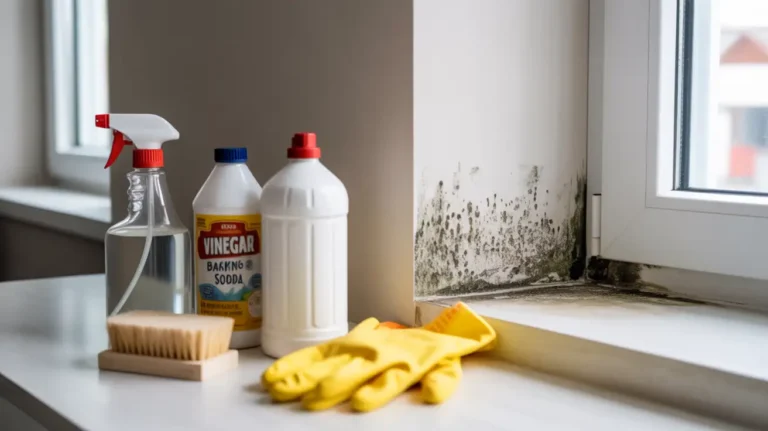
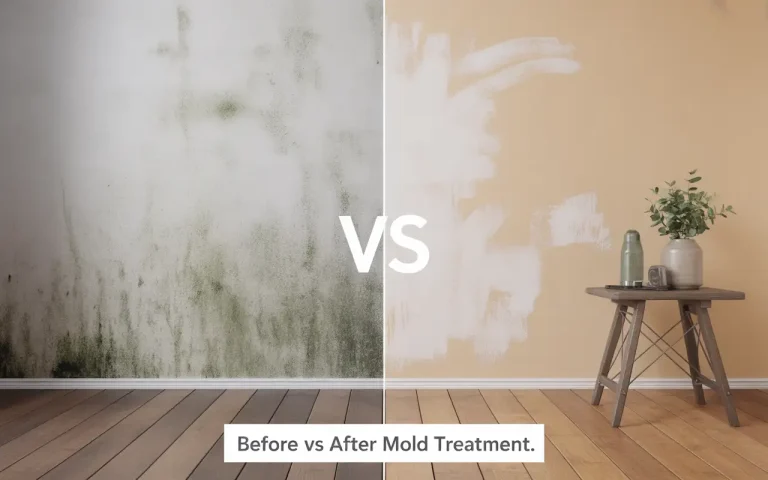
Can You Paint Over Mold? Why Experts Say Never Can you paint over mold? The answer is a definitive no you should never paint directly over mold without proper treatment first. Many homeowners consider painting over mold to save time and money, but this creates serious health risks and property damage. According to recent studies, mold affects 1 in 3 households, making proper treatment essential for your family’s safety and your home’s value. Does Mold & Mildew Primer Prevent Mold and Mildew? Mold and mildew primer is a special stain blocking base coat. It helps seal dark spots left after you kill mold and clean the surface. Some products also resist moisture. That helps slow new growth in damp rooms. But here is the key point: these primers do not remove or destroy active colonies. They seal stains after cleanup. Common myths A primer alone kills mold. False. You can skip cleaning if the stain is light. False. Heavy coats lock it in. Also false. So should you paint over mold with a primer? Only after the surface is cleaned, treated, and completely dry. At that point, a mold-resistant primer or mildew-resistant paint can help you get longer life from the finish. When to use what Mold-killing treatment: Use first on active growth. Clean with an EPA-registered product, diluted bleach mix, or other approved cleaner that can kill mold spores.   Mold blocking primer: Use after cleaning and drying to hide stains that might bleed through.   Mold resistant paint / mould and mildew paint: Finish coat that helps resist future spots in damp areas. Best practices before primer Wear gloves, eye cover, and a respirator rated for mold spores. Fix leaks and moisture sources. Clean and rinse. Let surfaces get completely dry. Test a small spot before full prime. What Are the Dangers of Painting Over Mold and Mildew? Skipping cleanup and covering mold with paint sets you up for trouble. Health issues: Breathing spores may trigger coughing, sneezing, skin rash, or asthma flare ups. Kids, older adults, and people with weak lungs feel it first.   Hidden growth: Paint is a film. Moisture and food behind the film let mold grow unseen. Growth spreads into drywall paper, trim, and framing. By the time stains show again, damage is worse.   Paint failure: You may see peeling, bubbling, or yellow stains pushing through. That wrecks your finish fast and costs more to fix.   Legal / liability risk: Rentals and home sales can face claims if known mold was painted over. Records of proper cleanup protect you. Quick Look: Painting Over Mold – Pros vs Cons Pros: Fast cover up. Looks clean for a short time.Cons: Health risk, hidden damage, repaint costs, possible legal trouble. Not worth it. How to Use Mold and Mildew Primer? Use primer only after you remove growth. Here is a simple step plan you can follow or share with your painter. Step 1: Clean and Kill Mold Scrape loose paint. Wash with a mold cleaner. Some use a bleach mix (1 cup bleach to 1 gallon water). Vent the room. Rinse if the product label says to rinse. Goal: kill mold and remove debris. Step 2: Let the Area Dry Completely Air flow matters. Use fans, dehumidifiers, or open windows when weather allows. Surfaces must be completely dry before any coating. Trapped damp spots lead to failure. Step 3: Apply a Mold-Resistant Primer Stir well. Brush or roll a thin, even coat. Follow label dry times. Spot prime stained areas first, then full coat. This is your mold paint prep stage. Step 4: Paint With a Mold-Resistant Topcoat Finish with high quality mold resistant paint or paint for moldy walls made for baths, kitchens, or basements. Many brands market “bath and kitchen” moisture formulas. These help but still need good air flow. Tools & Safety Gear N95 or respirator (better in large jobs) Gloves Eye shield Scraper and stiff brush Cleaner rated for mold Fans or dehumidifier Roller, tray, angled brush Tips for Keeping Mold Away After Painting Stopping moisture is the real fix. Use this checklist after your paint job. Moisture Control Checklist Keep indoor humidity below 50 percent. Run bath fans 20 minutes after showers. Vent cooking steam outdoors. Fix roof and plumbing leaks fast. Seal window gaps and exterior cracks. Clean bath tile and trim often. Use a dehumidifier in basements. Store firewood and wet gear outside living areas. Add mold resistant finishes in high risk rooms: baths, kitchens, laundry, and below grade spaces. In very damp spots, pick coatings sold as mould and mildew paint or add anti-microbial additives (follow label rules). San Diego Custom Painting: A Solution for All Your Painting Problems and Needs If you live in San Diego County, you do not have to face mold stains alone. San Diego Custom Painting helps homeowners and property managers handle prep, primer, and finish the right way. We inspect surfaces, flag moisture issues, and use proven products that stand up in coastal air. Need pro help fast? Tap into our local exterior painting and interior painting services in Spring Valley. Our team knows how local weather, marine air, and older stucco homes affect paint jobs. We guide you on when painting over mold is safe (after removal) and when deeper repairs are needed. Explore our services: Interior Painting Services in San Diego Exterior Painting Services in San Diego FAQ’S How do you treat mold before painting? Scrub with a cleaner that kills mold. Rinse if needed. Dry the area fully. Prime with a mold-resistant primer before finishing paint.   What happens if you paint over mold? What happens if you paint over mold is simple: it grows back under the coat, may stain, and can hurt air quality.   What kind of paint can you put over mold? After cleanup, use a mold resistant paint or bath and kitchen coating. Pick one marked for high moisture.   Can you paint Kilz over mold? Kilz can hide stains but

How to Remove Paint from Metal: 6 Pro Methods (2025)

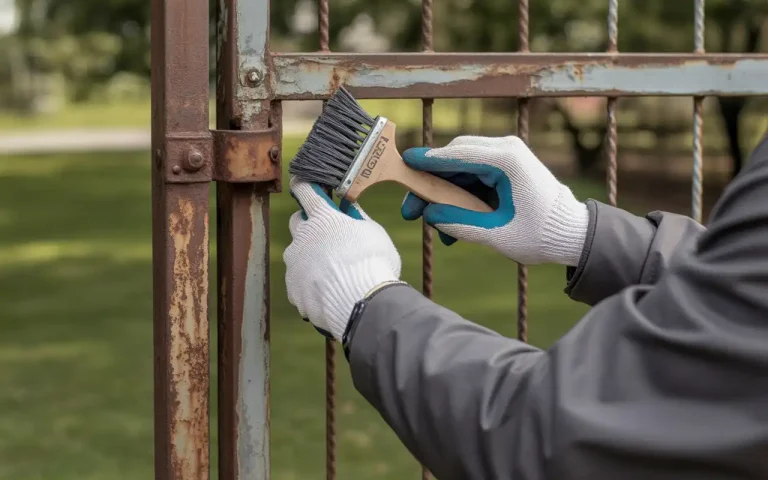
Home / How to Remove Paint from Metal: 6 Pro Methods (2025) Removing old or failing paint is necessary before any quality restoration project. The best way to remove paint from metal depends on the item’s size, shape, and the type of metal, but using the correct method prevents damage and ensures a lasting finish. We will guide you through the safest and most effective paint removal techniques for metal, from simple household fixes to professional-grade chemical stripping. This guide provides the trade secrets and processes used by master painters, focusing on real-world experience and safety. Our goal is to give you trusted, comprehensive instructions, whether you are dealing with a small tool or a large outdoor metal surface. Step by Step Instructions for How to Remove Paint from Metal Method 1: Chemical Paint Strippers (Best for Most Projects) Chemical paint strippers work fast on stubborn paint layers. They break down paint bonds in 30 minutes to 2 hours. What You’ll Need: Paint stripper for metal ($15-35 per quart) Chip brush ($3-5) Putty knife or scraper ($8-12) Chemical-resistant gloves ($10-15) Safety goggles ($8-12)   Cost: $45-80 total Time: 1-3 hours for most projects Step-by-Step Process: Set up outdoors or in a well-ventilated area. Open all windows and doors. Protect the ground with plastic sheeting or cardboard. Apply a thick layer of paint stripper using your chip brush. Don’t skimp here. Use enough to fully coat the metal surface. Wait 30-45 minutes. You’ll see the paint bubble and wrinkle. Some tough paints need 2 hours. Test a small spot with your putty knife. If paint lifts easily, you’re ready. If not, wait another 15 minutes. Scrape off loosened paint at a 45-degree angle. Work in small sections to avoid spreading mess. Wipe the surface clean with mineral spirits on a rag. Repeat on stubborn spots. Some oil-based paints need two applications. Pro Tip from Experience: I once spent 6 hours on a client’s wrought iron fence using the wrong stripper. Citrus-based removers work great indoors but take twice as long outdoors. Save time with methylene chloride strippers for outdoor metal pieces. Best For: Outdoor furniture, railings, gates, large flat surfaces Method 2: Heat Gun Technique (Fast but Requires Skill) Heat guns soften paint quickly. They’re my go-to for detailed work and curved surfaces. What You’ll Need: Heat gun ($30-80) Paint scraper ($8-12) Heat-resistant gloves ($12-18) Safety goggles ($8-12)   Cost: $60-125 total Time: 2-4 hours for medium projects Step-by-Step Process: Plug in your heat gun and set it to medium heat (around 500°F). Hold the gun 3-4 inches from the metal surface. Move it slowly back and forth. Don’t stay in one spot. Watch for paint to bubble and lift. This takes 15-30 seconds per section. Immediately scrape the softened paint with your putty knife. Work in 6-inch sections. Keep the gun moving to prevent metal warping. Common Mistake I See: People crank heat guns to maximum. This warps thin metal and creates toxic fumes. Medium heat works better and safer. Last month, a DIYer brought me an aluminum door he’d warped with high heat. The replacement cost $340. Keep your heat gun on medium for aluminum and thin steel. Best For: Doors, window frames, decorative metalwork, spot removal Method 3: Angle Grinder with Strip Disk (Fastest for Large Areas) Angle grinders remove paint in minutes. They’re loud and messy but incredibly effective on sturdy metal. What You’ll Need: Angle grinder ($50-120) Strip disk or flap disc ($8-15 each) Safety goggles ($8-12) Dust mask or respirator ($15-30) Hearing protection ($10-20)   Cost: $90-200 total Time: 30 minutes to 2 hours Step-by-Step Process: Attach a medium-grit flap disc (80-120 grit) to your grinder. Put on all safety gear. This method throws debris everywhere. Hold the grinder at a 15-20 degree angle to the metal surface. Move steadily across painted areas. Don’t press hard or stay in one spot. Let the tool do the work. Too much pressure damages the metal. Switch to wire wheels for stubborn spots and crevices. Real Project Example: I stripped a 6-foot steel gate last week. Chemical stripper would’ve taken 3 hours. The angle grinder finished in 45 minutes. But I wouldn’t use this on anything decorative or thin. Best For: Steel beams, thick metal furniture, industrial equipment, painted fences Not Recommended For: Aluminum, stainless steel, thin metal, detailed surfaces Method 4: Baking Soda and Boiling Water (Best Budget Option) This natural method costs under $5 and works great on small metal pieces. What You’ll Need: Old pot you don’t cook with Baking soda (¼ cup per quart of water) Water Tongs Wire brush   Cost: $3-8 total Time: 30-45 minutes Step-by-Step Process: Fill your pot with enough water to cover the metal items. Add ¼ cup baking soda per quart of water. Bring water to a gentle boil. Drop in your metal pieces carefully. Simmer for 15-20 minutes. The paint will start bubbling. Remove items with tongs. Let them cool for 2 minutes. Scrape off paint with a putty knife or wire brush. What Works: Door hinges, cabinet hardware, tools, small decorative items What Doesn’t: Anything larger than your pot, items with wood or plastic parts I keep a dedicated pot in my work van for hardware removal. It’s saved me hundreds of replacement hinges and knobs over the years. Method 5: Vinegar Soak (Gentlest Natural Option) White vinegar removes paint slowly but safely. Perfect for delicate metals. What You’ll Need: White vinegar (1-2 gallons, $5-10) Plastic container Scrub brush or old toothbrush   Cost: $5-15 total Time: 4-12 hours (mostly waiting) Step-by-Step Process: Pour undiluted white vinegar into a plastic container. Submerge your metal items completely. Let soak for 6-8 hours. Check progress every 2 hours. Remove items and scrub with a brush. Rinse thoroughly with water. Dry immediately to prevent rust. Best For: Antique hardware, aluminum pieces, brass fixtures, items with unknown paint age Method 6: Orbital Sander (Best for Flat Surfaces) Sanders removes paint through abrasion. They work well on large flat metal

Cabinet Refinishing vs Painting: ROI Comparison 2025

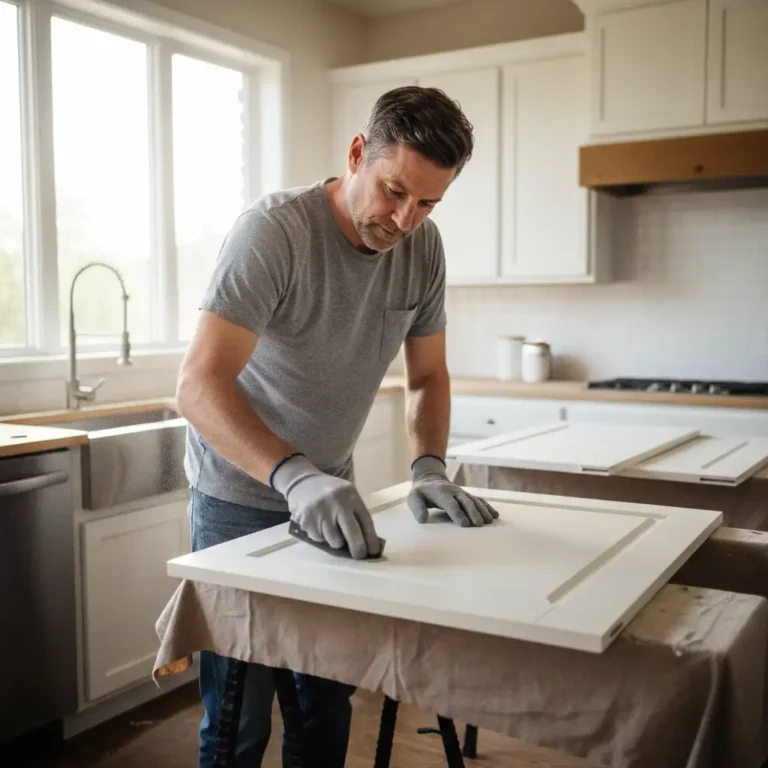
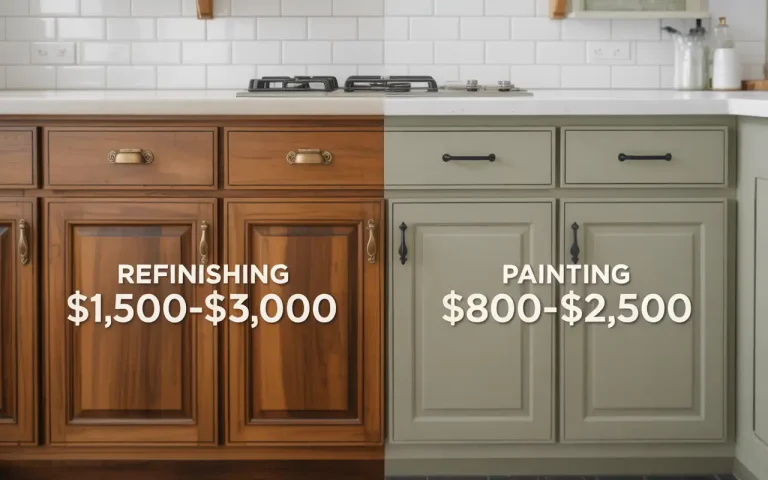
Cabinet Refinishing vs Painting: ROI Comparison 2025 Staring at outdated kitchen cabinets wondering if you should grab a paintbrush or call a refinishing expert? You’re not alone in this dilemma – 67% of homeowners struggle with this exact decision. This comprehensive Cabinet Refinishing vs Painting comparison will help you make the right choice for your kitchen transformation. We’ll break down everything from $200 DIY painting to $3,000 professional refinishing to help you decide the best path forward. Should I Paint or Refinish My Kitchen Cabinets? The answer depends on five key factors that will determine your best option. Let’s walk through this quick assessment tool to guide your decision. Factors to Consider Before you make a choice, look at the condition of your cabinets. Are they in good shape? Do you want to show off natural wood or cover it completely? Refinishing kitchen cabinets works best when your cabinets are solid and have light surface wear. You get to keep the wood’s natural grain. Painting, on the other hand, hides imperfections and lets you update your space with any color. Ask yourself: Are your cabinets scratched or stained? Do you want a modern color or a rustic wood look? What’s your budget? How long do you want the results to last? Understanding the Investment Let’s talk about cost. Refinishing costs less than replacing and often less than painting. Painting may cost more in labor, especially if it needs multiple coats of paint. Think long-term. Refinishing wood cabinets may last longer and cost less over time, especially for high-quality wood. But if you want a bold change, painting may feel worth it—even if you repaint again later. What Is Cabinet Refinishing? Cabinet refinishing is the professional restoration of your cabinet’s original wood surface. This process brings back the natural beauty of wood while extending its life by 10-15 years. The Complete Refinishing Process The refinishing process starts with careful hardware removal and cataloging. Every hinge, handle, and drawer pull gets tagged for proper reinstallation. Next comes deep cleaning and degreasing to remove years of kitchen buildup. Sanding happens in stages. Professionals start with 80-grit sandpaper to remove old finish, then progress through 120-grit and finish with 220-grit for smooth surfaces. This creates the perfect base for new stains. Wood conditioning prepares the surface for even stain absorption. This step prevents blotchy results and ensures consistent color throughout. Stain application requires skill and patience. Multiple thin coats work better than one thick application. The protective topcoat seals everything in. Modern polyurethane finishes provide excellent durability against daily kitchen use. Finally, all hardware gets reinstalled in its original positions. Timeline and Tools Most kitchen cabinet refinishing takes 5-7 days for completion. Professional crews use specialized sanders, spray equipment, and controlled drying environments. DIY refinishing requires extensive preparation and quality tools for good results. What Are the Benefits of Cabinet Refinishing? Aesthetic Advantages Refinishing preserves natural wood grain and character that makes each cabinet unique. Professional-grade finishes enhance existing wood beauty with rich depth and clarity. You can choose from 50+ popular stain colors to match your style preferences. The timeless appeal of refinished wood doesn’t date quickly like painted surfaces. Natural wood complements both traditional and modern kitchen designs without looking outdated. Financial Benefits Compare refinishing costs of $1,500-$3,000 against $15,000-$25,000 for cabinet replacement. That’s massive savings for similar visual impact. Refinished cabinets increase home value by 15-20% according to real estate professionals. Long-term maintenance costs stay lower with refinished surfaces. Quality wood finishes resist daily wear better than paint. Energy efficiency improves with proper sealing of cabinet joints and surfaces. Practical Advantages Refinishing maintains original cabinet structural integrity. Your existing cabinet boxes, hinges, and hardware stay in place. This process extends cabinet lifespan by 10-15 years with proper care. The environmentally sustainable option reduces waste compared to replacement. You preserve original craftsmanship while updating appearance. Quality hardwood cabinets deserve this investment in restoration. What Is Cabinet Painting? Cabinet painting is a professional-grade coating system designed for complete color transformation. Modern cabinet painting goes far beyond simple brush-on paint jobs. Advanced Painting Process Surface preparation starts with thorough cleaning protocols. Grease, grime, and residue must be completely removed before painting begins. Primer selection matters greatly – bonding primers work best on glossy surfaces while blocking primers prevent stains from bleeding through. Sanding techniques create optimal adhesion. Light sanding with 220-grit paper roughens the surface just enough for paint to grip properly. Too much sanding damages the substrate; too little causes adhesion problems. Professional application methods make the difference. Spray application provides smoother finishes than brush work. Multiple thin coats of paint create better coverage than single thick applications. Each coat needs proper drying time before the next layer. Curing and hardening take time. Fresh coats of paint need 24-48 hours between applications. Full cure takes 7-14 days depending on temperature and humidity conditions. 2025 Technology Integration Modern paint formulations include low-VOC and zero-VOC options for healthier indoor air. Advanced adhesion promoters help paint stick to difficult surfaces. Quick-cure formulations reduce project timelines. Antimicrobial coatings resist bacteria growth in kitchen environments. Professional vs DIY Indicators Professional cabinet painters use spray equipment and controlled environments. DIY projects rely on brushes and rollers with mixed results. Complex cabinet designs require professional expertise for quality outcomes. What Are the Benefits of Cabinet Painting? Aesthetic Flexibility Painted cabinets let you completely change your kitchen’s vibe. Want sleek white? Go for it. Prefer moody navy or deep green? No problem. You can also mix it up with two-tone cabinets or go modern with black or charcoal. Popular 2025 colors: Warm neutrals   Soft greens   Deep blues   Earthy tones Painting helps you update your kitchen cabinets without tearing them out. Faster Process and Immediate Results Compared to refinishing, painting is often quicker. A quick cabinet makeover might only take a few days. If you’re on a tight schedule or prepping to sell your home, painting offers fast impact. Affordable Option for a Fresh Look Painting your kitchen

How to Remove Paint from Brick: 5 Proven Methods

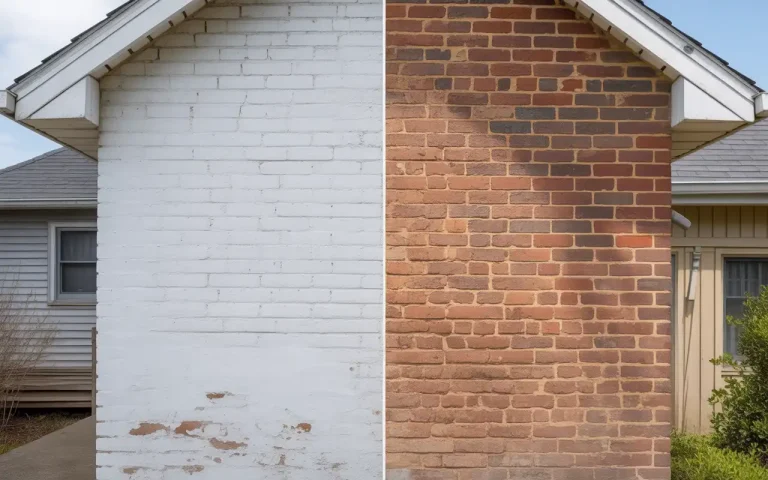
How to Remove Paint from Brick: 5 Proven Methods Home / To remove paint from brick, use a paint stripper made for masonry, then light scrubbing or pressure washing. First, always try a little patch.  Knowing how to remove paint from brick is vital, whether you are repairing an ancient structure or simply weary of antiquated painted brick. It can return the organic beauty of the outside or the fireplace of your house. However, removing paint is a complex, time-consuming, and untidy process, and if done incorrectly, it can harm the surface.  We have cleaned and restored hundreds of brick surfaces here at San Diego Custom Painting. This guide tells you when to phone the professionals and everything you need to execute it safely. Can You Remove Paint from Brick? Yes, you can remove paint from brick but it depends on a few things: Type of brick: Porous surfaces absorb paint deeply, making removal harder. Type of paint: Latex is easier to strip. Oil-based and epoxy paints are tougher. Paint layers: Multiple coats take more time and may require several rounds of stripping. Risks to Watch Out For Removing paint from brickwork is not always safe. Here’s what to consider: You could damage the brick by using harsh methods. Moisture may seep in if you strip protective layers. You might end up with staining or discoloration if paint seeps too deeply. Wondering, “Is it safe to strip paint from brick?” It can be but only with the right tools and careful technique. Before You Begin Paint Removal Prep work is key to success. Here’s what you need to know before taking paint off brick. Safety First Wear gloves, goggles, and a mask. Work in a well-ventilated area. Use drop cloths to protect surrounding areas. Supplies Checklist Scraper or putty knife Wire brush Paint stripper (gel or paste) Plastic sheeting or drop cloths Tape, sponge, clean water Garden hose or pressure washer (optional) Environmental Care Collect paint chips and don’t let them wash into storm drains. If working outside, avoid windy days to prevent airborne debris. Test First Pick a small, hidden spot and try your method there first. This shows how well the brick handles the process and helps avoid large-scale mistakes. When to Avoid Paint Removal Skip removal if: Your brick is flaking or cracked The paint is lead-based and you’re not trained to handle it The surface was previously sealed or glazed Paint Removal Methods from Brick Surfaces Removing paint from brick is not the only option. Here is how every approach functions:  Chemical paint strippers  For most paint removal cases, chemical strippers offer the most effective solution. On brick surfaces, three basic types exist:  Latex paint and several layers benefit most from caustic strippers (sodium hydroxide-based). Though strong, they demand responsible neutrality and careful handling. Oil-based paints benefit from solvent-based strippers, which yet present disposal difficulties and generate greater vapors. Although they work more slowly than chemical solutions, biochemical choices offer a more delicate approach for sensitive applications.  The process of application entails brushing the stripper on the paint, permitting appropriate dwell time, then removing the softened material. Always follow the manufacturer’s directions for specific products and safety requirements. Removal by a heat gun  Small areas and detailed work are perfect candidates for heat guns. Most brick uses call for temperatures between 500 and 750 °F. Move the gun constantly to avoid overheating any single spot, which can damage the brick surface.  Although this approach is most effective on oil-based paints, it has drawbacks with heavy layers or large spans. To prevent burning the brick, the method calls for patient, controlled hands.  Media blasting and sandblasting  Professional sandblasting uses sand, soda, and walnut shells, among other abrasive materials. Sand gives a stronger removal while soda blasting is more gentle on brick surfaces.  There is rental DIY sandblasting equipment, but seasoned operators usually produce better results with less danger of brick damage. Success depends on the use of appropriate pressure settings and effective dust control measures. Pressure washing  Effective paint stripping from brick requires a pressure washing of 2000-3000 PSI. Water temperature between 180–200 °F notably enhances results. Maintain 12-18 inches from the surface using a 15-degree spray tip.  Older applications and latex paints benefit most from this approach. Oil-based paints, or those requiring several layers, have limited effectiveness.  Manual Stripping  For small areas or as a cleanup after other approaches, use wire brushes and scrapers. This technique offers you total control over the process, but demands a lot of time investment.  Manual scraping is most effective when used together with other techniques instead of as a stand-alone remedy. It is ideal for textured surfaces and meticulous work near mortar joints. How to Remove Paint from Brick with a Paint Stripper A basic step-by-step procedure using a chemical remover is provided here:  Step 1: Preparatory phase  Plastic sheeting and tape should cover all surrounding surfaces. Avoid gusty days or severe temperatures by checking the weather reports. Get ready with waste containers, scrapers, neutralizing solution, and brushes, among other tools.  Step 2: How to Apply  Pick your paint stripper according to the paint kind you noted earlier. Brush the stripper in thick, uniform coats. Usually 50–100 square feet per gallon, compute coverage following the manufacturer’s instructions.  Give the stripper enough dwell time to operate. Depending on the product and paint thickness, this normally spans from 30 minutes to several hours. This stage demands patience; enough dwell time simplifies removal significantly.  Step 3: Phase of Removal  Remove the softened paint using plastic scrapers. Work methodically from top to bottom in small pieces. Apply more strippers and let a longer dwell time for obstinate patches. Several layers might need several rounds of treatment.  Step 4: Neutralizing and Cleaning  Get rid of all stripper residue as directed by the product. Many strippers demand neutralizing with particular solutions or water. Before moving on, a pH test is required to guarantee total neutralization.  Step 5: Clearing and Disposal  Dispose of paint waste in

Translate »