
Can you paint over varnished wood? Yes, and you do not need to strip the old finish first. Sound varnish makes a good base for new paint. You just need to clean it, dull the shine, and add a bonding primer. Skip those steps, and the paint will peel within months.
The one exception is failing varnish. If it peels or bubbles, fix those spots before you paint. This guide shows you how to check your finish, prep it, pick a primer, and choose the best paint.
Table of Contents
Toggle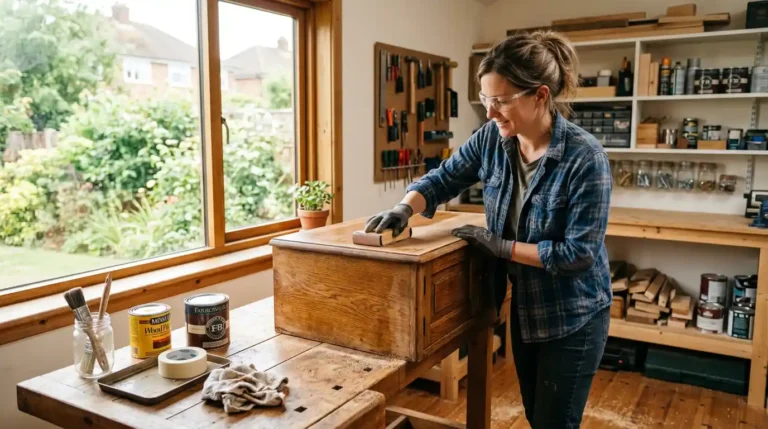
Why Paint Does Not Stick to Varnish
Varnish is a hard, clear coat. It seals the wood grain and blocks water, scratches, and stains. That same smooth, glossy finish gives paint nothing to grab.
Paint needs a clean, slightly rough surface to bond. A sealed surface is slick and often greasy. So the paint sits on top instead of gripping.
Prep fixes this in three moves. Cleaning removes the grease that blocks the bond. Scuff sanding or a deglosser dulls the gloss and adds tiny grooves, so paint can form a mechanical bond. A bonding primer then works as the glue layer between the old varnish and the new paint.
How well you do these steps decides how long the paint lasts. The rules are the same for kitchen cabinets, furniture, trim, doors, and paneling.
What to Check on Old Varnish Before You Paint
Old varnish often looks yellow, worn, or dull. Can you paint over varnished wood in that shape? Yes, if the finish is still sound. Check these five things in good light first.
- Sound varnish: It feels smooth and firm. It has no peeling, cracks, or soft spots. Keep it and prep it.
- Peeling varnish or a bubbling finish: Loose varnish takes the new paint with it when it lifts. Scrape and sand those spots down to bare wood. If the whole piece is failing, strip it. You never need to strip varnish just to change the color. Strip it when the finish itself is the problem.
- Wax and furniture polish: Drip a little water on the wood. If it beads up, wax or polish is there. Paint will not stick to wax, so wipe the wood with mineral spirits and open a window.
- A damaged finish: Note any cracks, dents, and gouges. You will fill them before sanding.
- Stains and tannins: Dark water rings or an orange tint point to trouble. Woods like oak, cherry, and redwood hold tannins. Tannins can bleed through light paint, so plan on a stain-blocking primer.
Test your plan on a hidden spot first, like the back of a door or the underside of a table.
How to Prepare Varnished Wood for Painting
Here is how to paint varnished wood in the right order: clean, fill, scuff, prime, then paint. Do each prep step in this order.
Clean and Degrease the Surface
Wash the wood with warm water and dish soap. Use a degreaser on kitchen cabinets. Grease builds up most near the stove and around handles.
Wipe off dust, grease, wax, furniture polish, and any other residue. Rinse with a clean, damp cloth. Let the wood dry fully.
Clean before you sand. Sanding a dirty surface grinds grease into the wood.
Fill Cracks and Gouges
Press wood filler into cracks, dents, and gouges. Let it dry, then sand it flush. Paint will not hide damage. It often makes damage easier to see.
Scuff Sand the Varnish
Scuff sanding means a light sanding that dulls the gloss. You do not sand down to bare wood.
Use 120 to 180 grit sandpaper. Sand with the wood grain in even strokes. Stop when the shine is gone, and the surface feels slightly rough. Use a sanding sponge on trim and curved edges.
Then wipe away all dust with a tack cloth. Dust left behind gets trapped under your paint.
Apply the Right Primer
Primer is the step that most often decides success. Match it to your wood.
Situation | Best primer | What it does |
Smooth, glossy varnish with no stains | Bonding primer (also called adhesion primer) | Grips slick surfaces so paint can bond |
Oak, cherry, redwood, or visible stains | Stain-blocking primer | Stops tannin bleed and discoloration |
Heavy stains or tough tannins | Shellac primer | Blocks stains hard and sticks well |
Extra grip needed, slow dry is fine | Oil-based primer | Bonds well, but dries slowly and smells strong |
Apply one thin, even coat with a brush or foam roller. Let it dry fully. Check the label for the dry time. Do not use drywall primer. It is not made for glossy wood.
Can You Paint Over Varnished Wood Without Sanding?
Yes, in some cases. But skipping the sandpaper cuts your margin for a strong bond.
You need four things: sound varnish, a deep clean, a liquid deglosser, and a bonding primer. A liquid deglosser, also called liquid sandpaper, softens the gloss so primer can grip. Wipe it on with a rag. Wait the time listed on the label. Then wipe it off with a clean cloth.
Surface | Skip sanding? |
Light-use trim, shelves, and decor | Yes. A deglosser plus a bonding primer works. |
Kitchen cabinets, tables, stair rails, and entry doors | No. Scuff sand for the strongest bond. |
Peeling or bubbling varnish | No shortcut. Repair or remove it first. |
A deglosser also helps on carved pieces, where sanding is hard to do evenly. On high-use surfaces, a little sanding time buys a longer-lasting finish.
Best Paint for Varnished Wood
Pick your paint by how the piece gets used.
- Furniture and interior wood: Acrylic latex enamel or water-based enamel works well over primer. A water-based acrylic alkyd, like ProClassic from Sherwin-Williams, dries harder.
- Cabinets, doors, and trim: Use cabinet enamel. It resists scuffs, fingerprints, and cleaning better than wall paint.
- Oil-based paint: It makes a tough finish. It also dries slowly, smells strong, and needs solvent cleanup.
Choose satin or semi-gloss for most pieces. Both hide flaws better than high gloss and wipe clean. Flat paint hides the most but marks easily, so save it for low-touch pieces.
Paint cannot make up for poor prep or a missing primer. When painting varnished wood, the primer matters as much as the topcoat.
How to Paint Over Varnished Wood
Apply Thin Coats
Stir the wood paint well. Use a brush on trim and edges. Use a foam roller on flat doors and tabletops, because it leaves fewer marks. If marks worry you, read how to avoid roller marks when painting cabinets.
Apply one thin, even coat. Thick coats sag, drip, and take longer to dry. Keep the room between 65 and 75 degrees while you work.
Wait for the Right Recoat Time
Follow the recoat time on the label. Paint that feels dry to the touch is not always ready. A second coat too soon leaves soft, gummy paint.
For a smoother finish, sand lightly with 220 grit between coats. Our guide on whether you should sand between coats of paint explains when it helps. Most pieces need two coats. Dark wood under light paint can need three.
Let the Paint Cure
Drying time and cure time are not the same. Paint dries in hours. It cures, or fully hardens, over a few weeks. Check the label for the exact time.
Go easy on the piece until then. Skip heavy loads and harsh cleaners. On tabletops and cabinet doors, add a clear topcoat for extra wear protection. Follow the topcoat label for timing.
Common Problems When Painting Over Varnished Wood
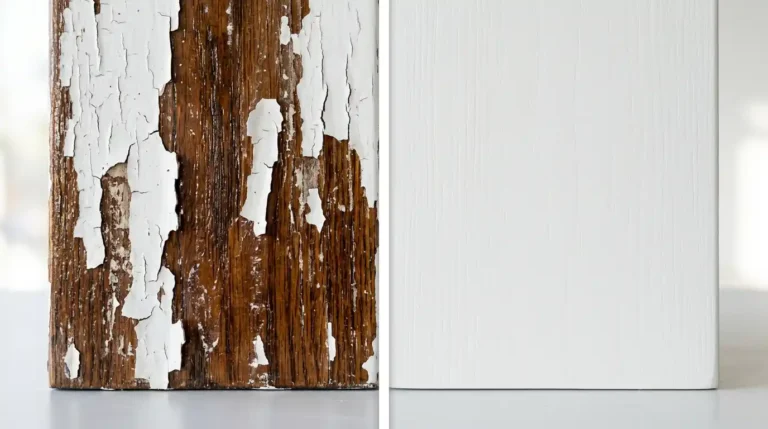
Most problems trace back to one skipped step. Cabinet jobs have a few extra traps, so see these common cabinet painting mistakes too.
- Paint peels or chips. This is an adhesion problem. The cause is skipped cleaning, no scuff sanding, or no bonding primer. Sand the area, prime it, and repaint.
- Stains or tannins show through. The primer was wrong for the wood. Seal the spot with stain-blocking or shellac primer, then repaint.
- The finish looks uneven. Dust, missed sanding spots, or heavy coats cause this. Sand smooth, wipe clean, and add a thin coat.
- Paint stays soft or marks easily. The coats did not get enough drying or cure time. Leave the piece alone longer.
Need Help With Your Project?
If you would rather skip the sanding dust, SD Custom Painting can handle it. See our interior & exterior painting services in San Diego, or learn about our cabinet painting work.
FAQs
Can You Paint Over Varnish That Is Really Polyurethane?
Yes. Polyurethane is another glossy, sealed finish. Use the same steps: clean, scuff sand or degloss, prime, then paint.
Can I Paint Over Varnished Wood With Latex Paint?
Yes. Latex paint sticks to oil-based varnish when you use a bonding primer first. Without the primer, it peels.
Is Paint and Primer in One Enough?
No, not on glossy varnish. Those paints do not replace a true bonding primer. Prime first, then paint.
Does the Wood Color Change Anything?
Yes. Dark or red wood like oak or cherry can show through light paint. Use a stain-blocking primer and plan on a third coat.