How to Remove Paint From Metal: 6 Methods That Actually Work

How to remove paint from metal depends on three things: the metal type, the paint type, and how many coats you’re dealing with. A hinge with one coat of paint needs a different approach than a cast iron railing with five layers baked over 30 years. The good news is one of six proven methods will handle almost any job.
This guide walks through each method, tells you which metal and paint types they work best on, and covers what to do once the paint is gone. No guesswork, just a clear path to bare metal.
Table of Contents
Toggle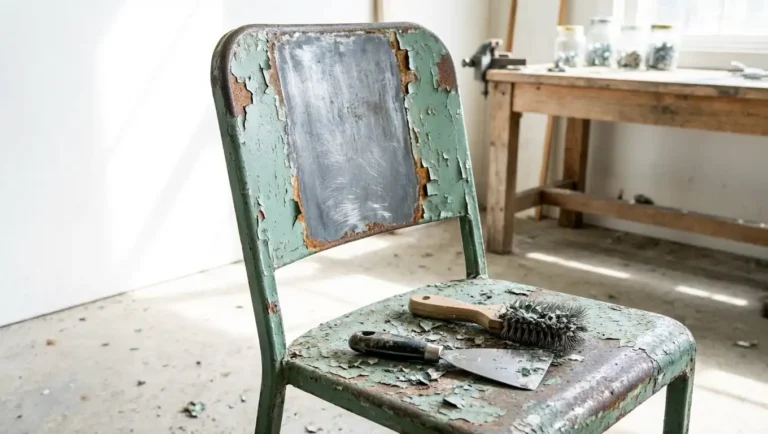
What Is the Best Way to Remove Paint From Metal?
There’s no single best method. The right one depends on your project. Use this table to find your starting point.
Method | Best For | Speed | Surface Control | Main Concern |
Paint stripper | Multiple layers, detailed metal | Slow | High | Chemical exposure |
Sanding | Small areas, light coats | Slow | High | Hand fatigue |
Wire wheel | Flat or curved metal, rust plus paint | Fast | Medium | Flying debris, scratches |
Heat gun | Thick paint, small to medium parts | Medium | Medium | Fire risk, fumes |
Media blasting | Large or heavily coated pieces | Fast | Low to medium | Dust, surface damage |
Soaking | Small hardware, tools | Slow | High | Only works on small parts |
Most real projects end up using two of these methods together, not just one. A stripper to soften the bulk of the paint, then a wire wheel to clean up the last bit, is a common combination.
Check the Metal and Paint Type First
Before you pick a method, look closely at what you’re working with. Steel, cast iron, aluminum, brass, copper, and stainless steel all react differently to chemicals, heat, and abrasion. Water-based paint, oil-based paint, spray paint, and powder coating also behave differently once you start removing them.
Test your chosen method on a small, hidden spot first. This tells you if the method works without damaging the metal underneath, and it’s a habit that saves a lot of headaches when you’re learning how to remove paint from metal for the first time.
Is It Lead Paint? Check This First
If the item was painted before 1978, treat it as lead paint until you know otherwise. Sanding, grinding, or heating lead paint can release dust and fumes that are dangerous to breathe. This step gets skipped in most guides, but it matters more than any tool you’ll use.
For older furniture, railings, or fixtures, use a wet method instead of dry sanding or grinding, and wear a proper respirator, not just a dust mask. The EPA’s guide to lead-safe DIY practices walks through how to contain dust and protect your household during this kind of work.
Paint Stripper for Metal
A chemical paint remover breaks or softens the bond between paint and metal. The softened coating can then be lifted with a scraper.
A paint stripper for metal is useful on:
- Ornate railings
- Metal furniture
- Multiple paint layers
- Corners and grooves
- Parts that are difficult to sand
- Enamel, epoxy, or other tough coatings when the product allows it
Read the label before use. Check that the product suits both the coating and metal.
Dwell time also matters. Removing a stripper too soon wastes product. Leaving it longer than directed can create cleanup problems or damage some surfaces.
Use chemical-resistant gloves, eye protection, and good ventilation. Follow the product label for cleanup and disposal.
Consumer paint removers containing methylene chloride are no longer legally sold for consumer paint-removal use in the United States. The EPA prohibited consumer distribution because of serious health risks.
Sanding and Wire Wheel Methods
Sanding works well for light coats or small areas. Start with a coarser grit like 80, then move to 150 or 220 to smooth the surface. Aluminum oxide paper handles most jobs, while silicon carbide paper works better on harder coatings. Hand sanding gives you the most control, while an orbital sander speeds things up on flat panels.
A wire wheel or wire brush attached to a drill or angle grinder removes paint and light rust at the same time. Choose a wheel made for the metal you’re working on. Coarse carbon steel bristles can scratch softer metals, so use a brass wire wheel on aluminum or other soft surfaces. Wear eye protection, since wire wheels throw off bristles and paint chips fast.
Heat Gun Method
A heat gun softens paint so it lifts away in strips instead of dust. Hold the gun a few inches from the surface and move it steadily. Once the paint starts to bubble, scrape it off right away with a metal scraper.
This method works best on thicker coats and small to medium parts. It’s not a great fit for large surfaces since it’s slow going inch by inch. Keep the heat moving to avoid scorching the metal, and never use a heat gun on anything that might contain lead paint, since heat releases toxic fumes.
Sandblasting to Remove Paint From Metal
Sandblasting to remove paint from metal is the fastest option for large or heavily coated pieces, like car frames, gates, or old machinery. A blast cabinet or handheld blaster fires abrasive media at high pressure to strip paint down to bare metal in minutes rather than hours.
Media choice matters. Glass beads and plastic media are gentler and work well on thinner metal. Aluminum oxide cuts faster but can pit soft metals like aluminum. Walnut shell media is a good middle ground for delicate surfaces. Silica sand is the traditional choice, but it carries a serious health risk, since OSHA warns that breathing silica dust from blasting can cause permanent lung damage.
For a single small item, a DIY blast kit or a few hours renting equipment usually makes sense. For a full vehicle frame or large fence, hiring a local blasting shop is often faster and safer than doing it yourself, especially since it requires proper containment and a respirator rated for the media you’re using.
Soaking Small Metal Parts
For hinges, tools, and other small hardware, soaking beats every other method on this list for ease. Combine 1 quart of water with a quarter cup of baking soda, bring it to a gentle boil, and submerge the parts for 15 to 20 minutes. The paint should scrape off easily with an old toothbrush or putty knife afterward.
White vinegar works the same way as a soak, either at room temperature overnight or heated (not boiling) for a faster result. Both methods are safer than chemical stripper for small jobs and cost almost nothing.
How to Remove Water-Based Paint From Metal
If you need to remove water based paint from metal, the good news is it’s often easier than removing oil-based paint, but only if the paint hasn’t fully cured. Fresh water-based paint can sometimes be wiped away with warm soapy water or a damp cloth within the first day or two.
Once it’s fully cured, water-based paint behaves more like any other coating and needs real removal work. A short vinegar soak loosens it on small parts. For furniture or larger pieces, a mild paint stripper or light sanding handles the leftover residue. Don’t assume water-based paint always means an easy job once it’s had time to harden.
How to Remove Spray Paint From Metal
How to remove spray paint from metal depends on whether the paint is fresh or fully dried. Fresh overspray often comes off with acetone or lacquer thinner on a cloth, since spray paint is usually a single thin coat.
Fully cured spray paint needs the same approach as any other coating: chemical stripper for full removal, or light sanding if you only need to smooth it before repainting. Test on a hidden spot first, since some solvents can affect the metal’s existing finish or any coating underneath.
How to Strip Paint From Metal Without Damaging It
Stripping paint from metal the right way means matching the method to the metal, not grabbing the first tool on hand. A few rules keep your project on track:
- Start with the gentlest method that could reasonably work, then move up if needed.
- Test every method on a hidden spot before working the whole piece.
- Use the right abrasive grit or wire wheel type for the metal.
- Don’t leave chemical strippers on longer than the label says.
- Keep a heat gun moving so you don’t scorch or warp thin metal.
- Don’t over-blast with media blasting, since too much pressure can pit soft metals.
Following these rules protects the metal underneath the paint, which is often more valuable than the paint itself.
Does the Metal Type Change Your Approach?
- Steel and iron handle almost every method well, including wire wheels, chemical stripper, and media blasting.
- Aluminum scratches and pits easily. Skip aggressive wire wheels and harsh lye-based strippers. Stick to gentler chemical strippers or soft media like plastic beads or walnut shells.
- Brass and copper are soft and can discolor with strong chemicals or heat. A mild stripper or gentle hand sanding is usually the safer choice.
- Stainless steel holds up well to most methods, but abrasive pads and coarse wire wheels can scratch a polished finish. Chemical stripper or fine sanding keeps the surface intact.
Do You Need to Remove All the Paint?
Not always. Paint removal on metal isn’t required if the existing coat is sound, with no peeling, cracking, or rust underneath. Clean the surface, scuff it lightly with fine sandpaper so new paint has something to grip, repair any small chips, then prime and repaint over what’s already there.
Full removal only makes sense when the old coating is failing, when you’re changing from a glossy to a matte finish, or when rust has spread underneath the paint and needs to be addressed directly.
What to Do After Removing Paint From Metal
Getting the paint off is only half the job. Wipe away any leftover residue, then degrease the surface with a cleaner made for metal prep. Dry it completely and quickly, since bare metal can start rusting within hours in humid conditions.
Check for rust or pitting once the surface is clean and dry. Treat any rust with a rust converter or sand it away before moving forward. Lightly sand the bare metal to create a surface profile that helps primer stick, then apply a metal primer before your final coat.
If you’re prepping a large piece, a railing, gate, or a set of outdoor furniture, and want it done right the first time, a professional finish makes a real difference in how long it lasts. San Diego Custom Painting offers full painting services in San Diego for metal, wood, and every surface in between, from prep work through the final coat. Reach out for a free quote before your next project.
Common Mistakes When Removing Paint From Metal
- Using the same method on every metal type without checking compatibility first.
- Skipping the test patch and finding out too late that a method damages the surface.
- Leaving chemical strippers on far longer than the label recommends.
- Using coarse blasting media on soft metals like aluminum.
- Ignoring dust and fumes, especially with older painted items that may contain lead.
- Painting over bare metal that wasn’t fully dry or degreased first.
- Trying to strip every last speck of paint when a light scuff and repaint would have worked fine.
Frequently Asked Questions
What is the easiest way to remove paint from metal?
For small hardware, boiling in water with baking soda is the easiest and cheapest method. For furniture or larger pieces, a paint stripper offers the most control with the least physical effort.
What is the fastest way to remove paint from metal?
Media blasting removes paint fastest on large or heavily coated surfaces, often in minutes per piece.
Can you remove water-based paint from metal without chemicals?
Yes, if it hasn’t fully cured. Warm soapy water or a vinegar soak often works on fresh or lightly cured water-based paint.
How do you remove spray paint from metal?
Fresh spray paint often comes off with acetone or lacquer thinner. Cured spray paint needs a stripper or light sanding.
Can paint stripper damage metal?
Some strong formulas can dull polished stainless steel or discolor soft metals like brass. Always test on a hidden area first.
Is sandblasting safe for aluminum?
It can be, but only with soft media like plastic beads or walnut shell. Aggressive media or high pressure can pit aluminum.
Do you have to remove all old paint before repainting metal?
No. Sound, well-adhered paint can be cleaned, scuffed, and repainted directly without full removal.
What should you do after stripping paint from metal?
Clean, degrease, dry, check for rust, sand for a surface profile, then prime before applying a new coat.

Emily Escalante
Emily Escalante has spent 27 years working in the residential and commercial painting industry across San Diego. Her background in color, finishes, and surface preparation shapes the practical advice she shares on the San Diego Custom Painting blog, drawn from real jobs and real client questions.
Related Article
- All Posts
- Cabinet Painting
- Home Painting
- Home Remodeling