
Acrylic vs Latex Paint: Which One Should You Actually Use?

Just Like Picking A Color, Picking A Paint Type Will Matter 5 acrylic paint isn’t designed the same way as latex, even though you will probably end up using either paint to paint both your house and office. You don’t want to repaint both your interior and exterior, if it could have been avoided just by choosing the right product.
The main differences in acrylic versus latex, however, are based on weather, moisture, flexibility, and price. The major differences in this area are the durability or sturdiness and the flexibility and water tolerance that each type of paint has. The acrylic will survive if it is subjected to extreme weather, while the latex offers a great choice as an alternative.
Table of Contents
Toggle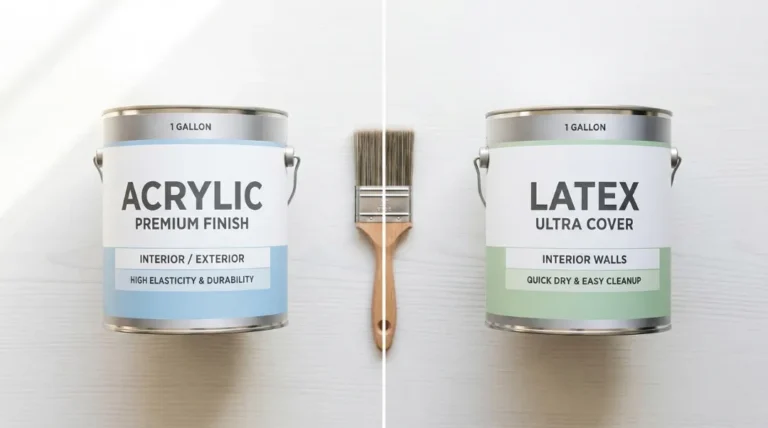
What Is Acrylic Paint?
Acrylic paint is a coating that utilizes acrylic resin as its adhesive or “binder,” with water being the vehicle that contains this resin. As it dries, the water evaporates to leave behind the acrylic resin to form an incredibly durable and flexible film, providing an excellent adhesive bond to several surfaces. This flexibility will allow it to expand and contract somewhat under changing temperatures with less likelihood of cracking.
Key Features of Acrylic Paint
- Resistant to strong UV rays and severe weather
- Excellent adhesion to wood, brick, concrete, masonry, and metal
- Does not crack over time
- Can be used in high-moisture environments
It’s due to its good moisture resistance, many people buy acrylic paint for their walls in bathrooms, kitchens, and even the utility room.
What Is Latex Paint?
You get the idea: it’s another water-based paint. The name is not a good indicator of the real components most modern paints use. Natural latex rubber in natural latex isn’t actually in most present-day ‘latex’ paints, since artificial items such as synthetic vinyl or acrylics and also formulas are incorporated into the water-based paint. One of the most popular types of paint, this paint has the greatest simplicity to utilize due to the smooth application, quick drying time, and relatively low levels of VOCs or simply, volatile organic compounds), which can be cleaned up with soap and water.
For most DIY home interior painting jobs, you’ll likely choose latex.
Its weaknesses appear, though, as even many of today’s premium latex formulas, particularly acrylic/vinyl varieties, won’t have the weather durability of higher-grade acrylics; changes in moisture and temp will take their toll when used on any of the wrong substrates.
Benefits of Latex Paint
- Budget-friendly for large projects
- Fast drying time
- Easy cleanup with soap and water
- Low odor and lower VOC levels
- Smooth application on drywall and plaster
Understanding Acrylic Latex Paint
Most people get confused by the word acrylic latex paint. Many times people hear latex paint and acrylic paint as two entirely separate coating types, while actually latex is the water-borne coating and the acrylic part simply identifies what kind of binding agent is used. Water paints come in many coating materials; vinyl as a binding agent is sometimes mixed with acrylic binding, and Acrylic binding can also be used.
Is Acrylic Latex Paint Water-Based?
This might be one of the most commonly asked questions by numerous home owners, whether or not this acrylic latex paint is water-based. Well, it definitely does, as in routine Latex paint, an Acrylic Latex is water-based, making for easy application and cleans up well. In other latex paints, it is composed of a high proportion of acrylic resin in comparison, so you have far better, flexible as well as tough paint than what you find with a fundamental vinyl, and you also would end up using far less quantity in comparison to using other ordinary types of paint.
As it delivers solid results on exteriors for less cash than true100%acrylic outside painting products, a compromise for which homeowners can appreciate.
Difference Between Acrylic and Latex Paint
Acrylic Vs Latex Paint – Paint Type, Quality and Quantity of Resin. Resin is the glue in a paint formula; how well a paint product adheres to its substrate (wall) is all thanks to the resins contained within.
Resin quality also affects a product’s resilience against extreme temperatures, varying weather conditions, and any type of moisture the surface encounters. Because acrylic paint generally has more acrylic resins within it that lend themselves more readily to durability, greater flexibility, less susceptibility to cracking, and better adhesion qualities under a wide variety of circumstances than can be seen with other kinds of synthetic resins and blends typically found in vinyl and latex formulas.
Acrylic Paint vs Latex Paint Comparison
Feature | Acrylic Paint | Latex Paint |
Base | Water-based acrylic resin | Water-based vinyl or blended resin |
Durability | Excellent | Good |
Moisture Resistance | High | Moderate |
Flexibility | Excellent | Moderate |
Best Use | Exterior and humid areas | Interior walls and ceilings |
Drying Time | 4–6 hours between coats | 1–2 hours between coats |
The main reason acrylic is chosen over latex painting products is wear and tear. Acrylic isn’t as cheap right up front, but it will outlast latex paint. This may not sound like a consideration for interior projects, but for your exterior ones, the paint may end up less expensive on an ongoing basis.
Where Should You Use Each Paint?

Your paint decision is based on the kind of surface, what moisture will be involved, and what level of wear and tear to expect on your job. An inappropriate selection can lead to a shortened life for your paint project, along with a costly ongoing upkeep routine.
Best Applications for Acrylic Paint
Acrylic paint stands up very effectively in areas exposed to the elements.
It is ideal for:
- Exterior siding
- Brick and concrete walls
- Wooden trim
- Metal railings
- Bathrooms
- Kitchens
- Laundry rooms
- Garages
- Outdoor furniture
Best Applications for Latex Paint
Latex paint is also useful around the home in environments that would likely not see extreme climate change.
It works best on:
- Drywall
- Interior ceilings
- Bedrooms
- Living rooms
- Dining rooms
- Offices
- Hallways
- Rental properties
Can You Paint Latex Over Acrylic?
You can, as long as it is prepped correctly. Latex can often refuse to stick to gloss acrylic. That will cause it to peel, bubble, and look uneven across the surface. Proper preparation means the surface is stable enough for the new coat of latex.
Steps for a Successful Application
Use the steps below to help your paint job last:
- Gently sand your acrylic surface to dull the finish.
- Using a clean, wet cloth, remove any dust or dirt.
- Apply a good bonding primer to the surface if it is a glossy surface or if it has a previous coat of paint.
- Let the surface dry thoroughly.
- Use two lighter coats of paint rather than one heavy coat to provide a smooth finish.
Climate, Coverage, and Cost Considerations
The exterior you are using is very important in the life of your paint. Sun, heat and rain can greatly shorten the lifespan of any painted property.
Acrylic paint fares best in areas where there may be more than average rain, heat, or humidity.
Paint like Acrylic tends to perform very well in humid environments as it generally will not crack in changing temperature variations and will not grow mildew. Acrylic is one of the toughest coating options available in extremely rough conditions when painted. For interiors, with less threat of water exposure or heavy sun exposure, latex will usually work fine for much less.
Paint Coverage and Budget
Coverage can also depend on the texture of the surface and paint durability.
Surface Type | Average Coverage per Gallon |
Smooth drywall | 350–400 sq. ft. |
Primed wood | 300–350 sq. ft. |
Brick or concrete | 200–300 sq. ft. |
Textured surfaces | 200–250 sq. ft. |
More expensive in gallons, acrylics can save money by lasting so much longer, meaning less frequent upkeep, fewer repaint touchups, and just a general paint savings over time. It’s also less expensive upfront.
You may also want to read this:
Common Painting Mistakes You Should Avoid
Even premium paint can’t deliver results if errors made during application go unaddressed. Here’s how to keep the most prevalent painting blunders at bay for long-lasting, beautifully rendered work that the neighbors will be talking about.
Skipping Surface Preparation
These don’t let the paint stick – grease, dust, loose paint, high gloss paint. So always prepare the surface before painting.
Using Interior Paint Outdoors
Latex paint that is used inside a house was not made to resist the weather, which is rain and sunlight. The exposure can cause it to crack, fade, and chip off.
Ignoring Primer
Primer makes the surface uniform and helps with paint adhesion. Especially helpful over stains, raw wood, repaired drywall, or dark colours.
Choosing Paint Based Only on Price
It’s often not the cheapest paint that saves you money. An extra expense to buy a higher quality coat of paint might pay off in the long term and save you work and money in coming years.
How to Choose the Right Paint for Your Project
Selecting the Right paint You know, type of paint is based on project and the weather that have to survive your paint, also on this fact if a paint needs more exposure, for those conditions do make research or asking experts you better do know your property so that moisture levels, type of building to ready paint on top of sun exposure, the general use in a normal daily life is what to be known before purchasing.
Choose acrylic paint if your project involves:
- Exterior walls
- Brick or concrete
- Surfaces exposed to direct sunlight
Choose latex paint if your project includes:
- Interior drywall
- Ceilings
- Bedrooms
- Living rooms
- Hallways
- Offices
- Large interior renovations on a budget
So if you’re stuck in indecision between the two, you should remind yourself that acrylic has great durability and can withstand more tough application, while Latex is relatively inexpensive and easier for most interior home projects.
Conclusion
Choosing the appropriate paint requires a focus on the conditions of the surface that needs it, along with the scope of the endeavor. Considerations of cost may come into play during acrylic vs latex paint deliberations, but they deserve equal significance with such criteria as endurance and ability.
Use an acrylic paint suitable to a greater range of weather and to expand longevity, and used on many exterior locations as well as surfaces prone to wetness, in order to satisfy the requirements for those applications. An exemplary option that can give a smooth application, a fast drying time, and a simple clean-up for application with latex on a range of interior walls as well as ceilings, so as not to have to contemplate the issue any longer.
Frequently Asked Questions
Can I use latex paint outdoors?
Yes, latex paint works nicely and is a fantastic substitute if used appropriately,and is part of “Exterior Grade” paint mix.
Which is the better, simpler way to clear Paint?
Both sorts of paints are water based paint products in order to clear whereas your paint allows using a moderate solution of soap and water. However, Acrylic resists stains more over time after it is dried or cured and does not chip as far from the paint after a couple of washes.
Can you use the same kind of primer for both types of paint?
As you probably know, a standard high-quality acrylic or latex paint primer is a great selection of primers when you are using either sort. However, to realize the ultimate efficiency, you must verify with your selected paint to start with.
Which Paint offers higher value to property owners?
Latex is cost-efficient when it comes to coating your interior walls though an acrylic exterior portrays way better long-term benefits inside and out as it lasts more than the yrs while the outside does.

Emily Escalante has spent 27 years working in the residential and commercial painting industry across San Diego. Her background in color, finishes, and surface preparation shapes the practical advice she shares on the San Diego Custom Painting blog, drawn from real jobs and real client questions.
Related Article
- All Posts
- Cabinet Painting
- Home Painting
- Home Remodeling