How Much Does It Cost to Paint a House Exterior?

What do house painting costs have to do with home appeal and house protection? There’s really no easy answer for the price of outdoor house painting until a variety of conditions affect costs-size of the house and its type, kinds of siding products and paint for walls and siding, work charges, or the volume of preparations essential before work starts.
Typically, you will pay from 2000 to 8,000 dollars when someone is hired for outdoor house paint, but higher estimates may very likely take place when this work is done. For trustworthy, quality work and more accurate estimates and house paint rates, get SD Custom Painting.
Table of Contents
ToggleWhat Determines the Cost of Exterior House Painting?
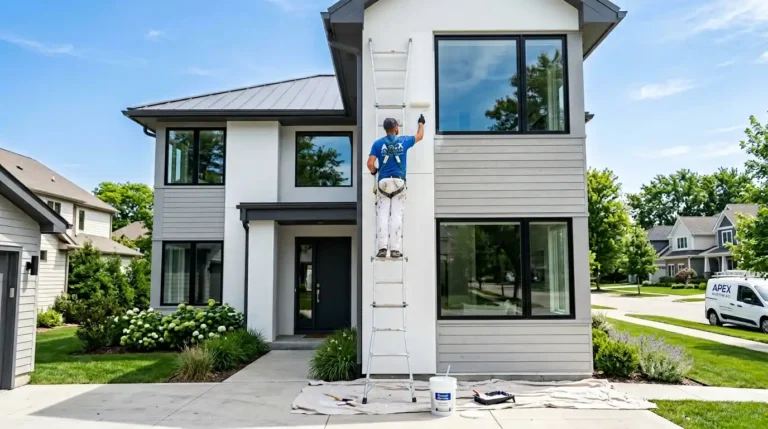
When it comes to painting the walls in your new house or the current home you live in, no two houses are alike, and therefore costs tend to run differently with professional painting services. Painters come up with estimates based on several things.
Home Size and Paintable Surface Area
Here is the largest determinant when it comes to the exterior house paint costs. The cost of painting the exterior of larger homes means more paint, more labor, and a longer application time. House painters don’t use the square footage of your home to price paint jobs; they measure paintable wall space. Two houses the same size may feature dramatically different wall heights, roof designs, and architectural details, which could lead to two varying estimates.
Siding Material
How to Paint Siding: The preparation process can vary between types of materials that you paint, as will the kinds of paint and primer that you buy. It is normally easier to paint very plain vinyl siding, and then it is for aged wood or textured stucco siding
Common siding materials include:
- Vinyl
- Wood
- Fiber cement
- Stucco
- Brick
- Aluminum
This is the number-one factor and influences how much it costs to paint an exterior house for Labor, Type of Primer Needed, and How Much Paint Your House Will Absorb.
Condition of Existing Paint
How long your paint job lasts – five years versus 15 years – often comes down to prep. That peeling paint, mildew, or any other existing damage like cracks and failing caulk on your exterior paint job may need some additional repair and restoration prior to applying a new coat of paint.
Preparation may include:
- Pressure washing
- Scraping loose paint
- Sanding rough surfaces
- Filling cracks
- Priming bare areas
- Replacing damaged trim
For obvious reasons, houses needing a large amount of preparation cost more than if surfaces were already ready to decorate with limited use of wallpaper paste, fillers, etc.
Average Cost to Paint a House Exterior by Home Size
In addition, one of the easiest estimates of your project comes from matching your house size to the average house across the country. Prices vary from area to area; however, the table below gives you a reasonable starting point.
Home Size | Average Total Cost | Cost Per Sq. Ft. |
1,000–1,200 sq. ft. | $1,800–$4,000 | $1.50–$4.00 |
1,500 sq. ft. | $2,500–$6,000 | $1.70–$4.00 |
2,000 sq. ft. | $3,500–$8,500 | $1.75–$4.25 |
2,500 sq. ft. | $4,500–$9,500 | $1.80–$4.50 |
3,000+ sq. ft. | $6,000–$15,000+ | $2.00–$5.00 |
These price points represent completed professional painting jobs, which include standard preparation and quality paint. It also shows two coats of a finish application. Large repair projects will take the average price to paint the exterior of the house above this cost.
Exterior Painting Costs by Siding Type
What type of siding you choose can significantly impact labor costs, how much paint you might want or need, and even the total expense for your painting job. Different sidings soak up more. They also need a bit more attention before any paint can go on them!
Vinyl and Wood Siding
It’s not too costly to paint your existing vinyl siding – due to little prep work involved. When it’s vinyl, however, house painters know better than to attempt a painting job with regular paint – it leads to buckling and stripping down the road. The wood on your house’s exterior may need a little help before it will take on a new coat of paint. Many wooden walls call for scraping, sanding, sealing, and priming specific areas – all time-consuming (and expensive) processes.
Siding Type | Estimated Cost Per Sq. Ft. |
Vinyl | $1.25–$3.00 |
Wood | $1.50–$3.75 |
Fiber Cement | $1.75–$3.75 |
Stucco | $2.00–$4.75 |
Brick | $2.00–$5.00 |
Stucco, Brick, and Fiber Cement
To cover this inpainting for the exterior of the house will involve using more paint, the stucco multicolor painting on a brick siding material. The brick on your property doesn’t have the same color characteristics as the house painting on siding material, and it may require special priming coats of paint before applying the colored paint, thus increasing the price for services for an exterior paint job.
Fiber cement board siding offers a low-maintenance product and can paint a house with good, cost-effective, long-lasting results; therefore, since different types of material prep costs can influence paint home painting jobs cost, even if the houses were the exact size they happen to be in property locations.
Labor vs. Material Costs
It may be assumed that paint is going to be the biggest item in the painting budget, but surprisingly the real highest cost is labor. Experienced painters are well compensated for their time spent preparing surfaces, masking the landscape, filling in any flaws, and making sure paint is put on smoothly with two coats.
Typically:
- Labor represents 65%–75% of the total project.
- Paint and materials account for 25%–35%.
Though premium quality paints may charge more at first, they eventually prove to be a worthwhile purchase by resisting premature wear and tear, fading due to weather, and being less likely to need regular upkeep. You may end up saving money on future repainting projects and prolong the look and appeal of your home for many years by investing in a quality choice.
You may also want to read these posts:
DIY vs. Hiring a Professional Painter
Exterior home painting DIY: You may think of painting your home’s exterior to cut costs.DIY projects may seem great at the bottom line, but DIY on the exterior requires equipment, time, and skills. Painting may seem easier compared to house design, but the painting can affect the appearance of your home.
When DIY Makes Sense
DIY painting might make sense for you if:
- Your home is one story high
- Your current paint is in good condition
- You already have painting equipment
- You’re not afraid of ladders
- You have time to devote to the project
Why You Should Hire an Expert
Professional painters will do a good job for you because they have the equipment, knowledge, and ability to do the job efficiently. They will also pinpoint underlying problems with things such as wood rot, water damage, and weak caulking before they ever spray anything out of a gun!
Hiring an experienced company such as SD Custom Painting offers several advantages:
- Proper surface preparation
- High-quality primers and paints
- Efficient project completion
- Safety equipment for multi-story homes
- Long-lasting finishes
- Workmanship warranties
While it will be an upfront expense for some, sometimes hiring someone to do the job can save money in the long run with the durability of your new coating and less upkeep of the same area in the future.
Exterior Painting Cost Calculator: Estimate Your Budget
Paint Calculator – Plan Your Exterior Painting Budget. Before looking for estimates from painters, we suggest that our readers consider an exterior painting cost calculator that is as easy as the above. You get an exact understanding of what it means to pay for external House’s Paint, what will be incurred before your Contractor calls back to give you Estimates.
Exterior house Painting Cost calculator steps
- Estimate all perimeters of your house that you want to paint, then you can
- Multiply it to get the estimate Paintable sq .feet to Paint at your house
- From this, you will need to subtract approx 10 percent to get the actual Paintable Square feet,
- Now you have to multiply actual sq feet by Avg cost per Sft and get final painting budget
- Add a round number for some things like scrap, or special high-gloss paints
Example Estimate
Suppose your home has approximately 2,400 square feet of paintable wall area.
Cost Per Sq. Ft. | Estimated Total Cost |
$2.00 | $4,800 |
$3.00 | $7,200 |
$4.00 | $9,600 |
This will help you understand the cost of having the exterior of your house painted, though you will still need to work out the painting quote depending on the condition of the exterior, the way a crew will have access to the outside of the building, and the different house painting services that you want.
Tips to Reduce Exterior Painting Costs
Painting the house is a great idea; however, you have a plethora of choices for reducing your expenses without compromising quality.
Schedule During the Off-Season
During the low-demand months, some painters have great prices. You can potentially save money on the price of the whole project if you schedule yours early.
Complete Minor Repairs in Advance
Perform routine work such as pruning bushes, repairing fence planks, or cleaning the work area before we get there – and cut your price and labour hours.
Compare Detailed Estimates
Always request multiple written estimates. Instead of choosing the lowest price, compare:
- Surface preparation included
- Number of paint coats
- Paint brand and product line
- Warranty coverage
- Project timeline
A detailed estimate allows you to compare services fairly rather than focusing only on price.
Conclusion
Homeowners can estimate how much it costs to paint a house exterior to set budgetary requirements and make decisions that are best suited. Across the country, the average cost can fall anywhere between $2,500 and $9,000, though this price varies depending on your house size, the siding materials, and much prep work you want and use, and paint quality and workmanship.
Rather than choose the lowest bids, make sure you know what your painter estimates. The preparation and high-quality materials can make a difference and actually save on overall cost throughout the years in a house with regard to years of durable paint coating.
SD Custom Painting offers professional exterior house painter estimates as well as professional assistance for many homeowners.
FAQ’s
Which factors will further increase the cost to paint the exterior of a house?
Important cost influences are area of home, how many stories, type of siding, preparation, repair, quality of paint, and local labor costs.
How often should a home’s exterior be repainted?
Most are repainted every 7–10 years. However, depending on climate, sun exposure, and the quality of paint used, this can vary.

Emily Escalante has spent 27 years working in the residential and commercial painting industry across San Diego. Her background in color, finishes, and surface preparation shapes the practical advice she shares on the San Diego Custom Painting blog, drawn from real jobs and real client questions.
Related Article
- All Posts
- Cabinet Painting
- Home Painting
- Home Remodeling