
The best paint brush for trim is a 2 to 2½ inch angled brush with synthetic bristles. It works with latex paint, the type most homeowners use on doors, window casing, and baseboards. This size gives you enough paint capacity to move fast, but it’s still small enough to control near corners and edges.
That said, no single brush works for every job. Your trim width, your paint type, and your skill level all change the right pick. This guide walks you through each one.
Table of Contents
Toggle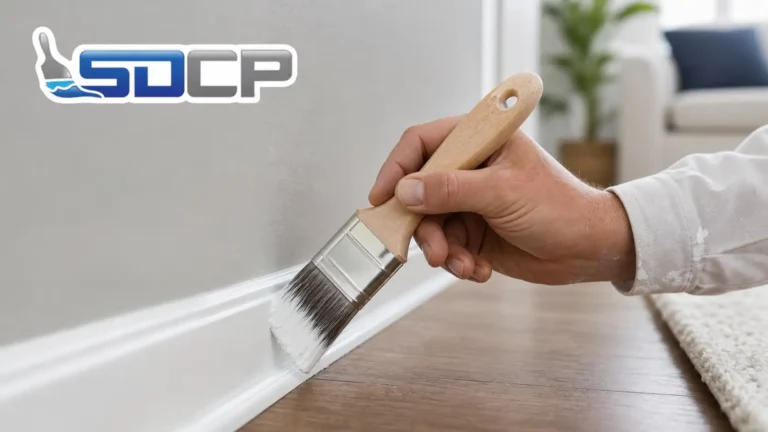
Quick Answer
For most interior trim jobs, grab a 2 to 2½ inch angled synthetic-bristle brush. Use it with latex or water-based trim paint. Go smaller for narrow window trim, bigger for wide baseboards, and switch to a natural-bristle brush only if you’re using oil-based paint.
What Makes a Good Trim Brush
A good trim brush is not just about the brand. The bristle type, shape, size, stiffness, and handle all affect how easily you can control the paint.
Bristle Material
Synthetic bristles are made from materials such as nylon, polyester, or a nylon/polyester blend. They work well with many modern water-based coatings.
Natural or China bristle brushes are better suited to compatible oil-based coatings. They are not the first choice for most water-based latex paint.
Blended bristles can give you a mix of stiffness, flexibility, and paint release. Always check the paint label before choosing the brush.
Brush Shape
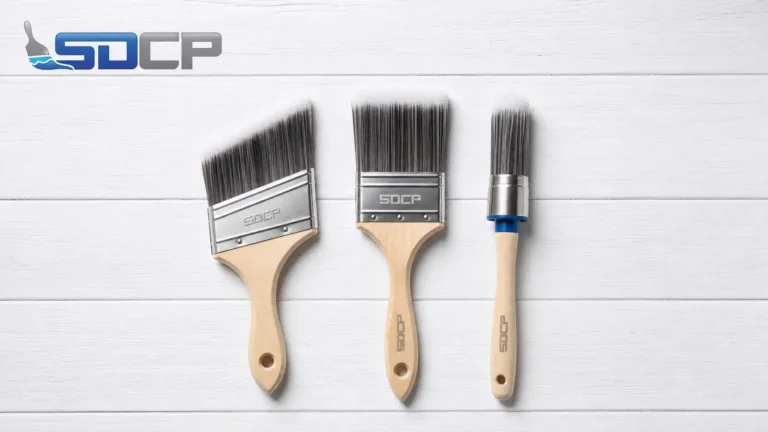
An angled sash brush has a sloped edge that helps you cut clean lines. It is useful around door casing, window trim, baseboards, and corners.
A flat brush works well on broad, flat surfaces where long strokes matter more than tight edge control.
A round sash brush can help with detailed or curved areas. It can also work well on ornate molding and small profiles.
Brush Size
Brush size controls both coverage and precision.
- 1½-inch: Best for narrow trim and detail work.
- 2-inch: Excellent all-around size for most homeowners.
- 2 1⁄2-inch: More paint capacity with good control.
- 3-inch: Useful for wider trim and long runs.
Edge and Paint Control
Look for a clean, sharp brush edge. Good paint retention means you do not need to reload every few inches.
The ferrule should hold the bristles firmly. Loose bristles can shed into your finish. A comfortable handle also matters during long painting sessions.
Handles come in different shapes, including beavertail, rat-tail, short, and ergonomic designs. A short handle can give you better control in tight spaces. Purdy notes that short-handled brushes are useful around cabinets, corners, and trim.
Some quality brushes also have flagged tips. These split ends help hold and release paint more evenly.
Best Paint Brush for Trim and Baseboards by Job
Different trim calls for different brushes. Here’s a simple breakdown.
Trim or Job | Recommended Brush | Why |
Baseboards | 2–2½” angled | Good balance of speed and control |
Door casing | 2–2½” angled | Handles both flat sections and edges |
Window trim | 1½–2″ angled | Fits narrow strips without overloading |
Crown molding | 2″ angled | Reaches into the profile cleanly |
Narrow trim (under 2″) | 1–1½” angled | Easier to keep the line straight |
Detailed or carved molding | Round sash brush | Gets into grooves a flat brush can’t reach |
Wide, flat trim | 2½–3″ flat or angled | Covers more surface per stroke |
If you’re weighing the best paint brushes for trim across a whole house, buy one 2″ and one 2½” angled brush. That combination handles almost every trim type you’ll run into.
What Size Paint Brush Is Best for Trim?
Brush size is one of the most common points of confusion. Bigger is not always better, so here’s what each width actually does.
1½-Inch Brush
Choose a 1½-inch brush for narrow window trim, small molding, tight spaces, and detail work. The smaller head gives you more control when there is little room for error.
2-Inch Brush
A 2-inch brush is the best starting point for most DIY homeowners. It gives you good control without making long sections too slow.
It is also a strong choice for beginners because the brush is large enough to hold a useful amount of paint but small enough to manage easily.
2½-Inch Brush
A 2½-inch brush holds more paint and can make longer baseboards and door casing faster to paint. It offers a useful balance between coverage and control.
3-Inch Brush
A 3-inch brush is more useful for experienced painters working on wider trim or long, straight runs. It can cover more area, but the larger head can feel harder to control for a beginner.
If you are buying one brush, choose a quality 2-inch or 2½-inch angled brush.
Angled vs. Straight vs. Round Brush for Trim
Brush Type | Best For |
Angled sash | Most trim, cutting in, baseboards, corners |
Flat/straight | Long, wide, flat trim runs |
Round sash | Recessed panels, carved or detailed molding |
An angled brush is the right starting point for almost anyone painting trim. The slanted bristles let you follow a straight line with less wrist movement, which matters most where trim meets a wall or ceiling.
A flat brush earns its place on wide baseboards or flat casing where there’s no tight corner to navigate. A round sash brush is a specialty tool. Skip it unless your trim has carved details or deep grooves that a flat edge can’t reach.
Synthetic vs. Natural Bristles: Which Is Better for Trim?
Pick your bristle type based on the paint, not the other way around.
- Synthetic bristles (nylon, polyester, or a blend) work with latex paint, acrylic paint, and most water-based enamels. They hold their shape in humid weather and clean up with soap and water.
- Natural bristles work with oil-based paint and some solvent-based stains. Water breaks down natural bristles over time, so never use them with latex paint.
- Blended bristles combine both materials. They give you a stiffer brush for heavier paints while staying flexible enough for smooth strokes.
If you’re not sure what paint you’re using, check the can. Water-based paint means synthetic. Oil-based paint means natural. That single choice matters more than the brand you buy.
For more detail on how bristle chemistry affects paint release, Wooster’s official brush guide breaks down each material by coating type.
Best Paint Brush for Baseboards
Baseboards deserve their own mention because they come with problems trim higher on the wall doesn’t have. You’re working close to the floor, often on your knees, and picking up more dust and debris on the bristles as you go.
For baseboards, stick with a 2 to 2½ inch angled synthetic brush if you’re using latex trim paint. Wipe the baseboard down before you start so the brush isn’t dragging dust into wet paint. Load the brush about a third of the way up the bristles, not the whole head, so it doesn’t drip while you work low to the ground.
Keep a wet edge as you move along the run. That means starting your next stroke before the previous section dries, which keeps the finish even across a long baseboard.
If you’d rather hand this off, our team at San Diego Custom Painting handles baseboards, trim, and full rooms with the right brush and technique for each surface. Check out our interior painting services in San Diego if you want a clean finish without doing it yourself.
What Is the Best Brush for Painting Trim Without Brush Marks?
No brush can promise a completely mark-free finish by itself.
Brush marks can come from poor surface prep, thick paint, too much paint, a poor brush, fast drying, or brushing the coating after it starts to set.
Your technique matters just as much.
To reduce brush marks:
- Start with a clean, smooth surface.
- Sand rough areas before painting.
- Prime bare or repaired areas when needed.
- Load the brush without soaking the whole head.
- Apply an even coat.
- Keep working into a wet edge.
- Use controlled strokes.
- Do not keep brushing paint that has started to dry.
- Lightly tip off the final surface.
- Let the coating level and dry according to its label.
Good paint leveling also depends on the coating. Trim enamels and other smooth-finish paints are designed to flow and level better than many basic wall paints.
Paint viscosity, room temperature, humidity, drying time, and the surface itself can all affect the final result.
Purdy describes some of its brushes as soft for reduced brush marks and others as stiffer for crisp lines. That shows why brush stiffness should match the job rather than simply being labeled “better.”
Can You Use a Roller Instead of a Brush for Trim?
Yes, for some jobs. A small foam or velour mini roller can cover wide, flat trim faster than a brush. But a brush still wins for corners, edges, and any profile with a raised or recessed detail.
Many painters use both: roll the flat center of a wide baseboard, then use a brush to cut in the edges and blend the two textures together. This combination saves time without sacrificing the clean lines a brush gives you at the corners.
What to Look for When Buying a Trim Brush
Before you buy, check for these:
- Correct width for the trim you’re painting
- Angled profile for most jobs
- Bristle type that matches your paint
- Flagged, split bristle tips for smoother release
- Secure ferrule with no loose bristles when you fan them out
- Comfortable handle you can hold for more than a few minutes
- Low shedding (check reviews before buying online)
Budget synthetic brushes run about $6 to $12. Mid-range angled brushes with a nylon-polyester blend typically cost $12 to $20. Natural-bristle brushes for oil-based paint usually land between $15 and $25. Spending a bit more on a brush you’ll reuse across several rooms is worth it, since a cheap brush that sheds bristles into wet paint costs you more time than it saves.
Best Paint Brush for Trim for Beginners vs. Professionals

Your experience should influence the size you choose.
Painter | Good starting choice |
Beginner | 2-inch angled synthetic |
DIY homeowner | 2–2½-inch premium angled |
Experienced painter | 2½–3-inch professional angled |
A beginner often benefits from a smaller brush because it gives more control.
An experienced painter may prefer a larger brush because it holds more paint and covers long runs faster.
Professional painters also choose brushes based on the coating. For example, Sherwin-Williams lists Purdy Clearcut and Contractor Series nylon/polyester brushes among its preferred options for Emerald Urethane Trim Enamel.
The goal is not to find the biggest brush. The goal is to find the brush you can control.
How to Use a Trim Brush for Clean Lines
- Prep the trim. Clean off dust, sand rough spots, and repair any gaps before you prime.
- Load the brush. Dip about a third of the bristle length into the paint.
- Start the stroke. Begin a few inches from the corner and pull toward it, not away.
- Maintain a wet edge. Work in short sections so you’re always blending into paint that’s still wet.
- Tip off. Finish with one light pass to smooth the surface.
- Check under good light. A work light at a low angle shows brush marks you’d miss under normal room lighting.
For more testing and comparisons across major brush brands, Bob Vila’s brush review is a solid outside reference if you want to compare specific models.
How to Clean and Store a Trim Brush
Clean the brush right after you finish, before paint dries in the bristles. Use warm soapy water for latex paint and the correct solvent for oil-based paint. Work the cleaner into the base of the bristles near the ferrule, where paint builds up first.
Comb the bristles back into shape while they’re still damp, then let the brush dry flat or hanging, not standing on its bristles. Store it in its original sleeve or wrap it in paper to keep the tip from bending. A brush stored this way can last for years instead of a single project.
Final Verdict
For most homeowners, the best paint brush for trim is a 2 to 2½ inch angled synthetic brush. Go smaller for narrow window trim, larger for wide baseboards and long runs, and always match your bristle type to your paint. If you only buy one brush for your next project, a quality 2 inch angled brush is the safest place to start.
Frequently Asked Questions
Is a 2 inch or 2½ inch brush better for trim?
A 2 inch brush gives you more control for beginners. A 2½ inch brush covers more ground and suits longer runs.
Is an angled brush better for trim?
Yes, for most trim work. The angled tip follows straight lines and corners with less wrist strain than a straight brush.
Should I use synthetic or natural bristles for trim?
Match the bristle to the paint. Synthetic for latex and water-based paint. Natural for oil-based paint and solvent stains.
Can I use a foam roller on baseboards instead of a brush?
You can for wide, flat sections, but you’ll still need a brush for corners and edges.