
How to Clean Painted Walls (Without Ruining the Finish)
Virtually all areas of your home can be given a brighter, fresher appearance with a fresh coat of paint, but painted surfaces in your home are the most likely to attract dust, fingerprints, splatters and grime, even in the most heavily-used corridors and indeed, the kitchen! This is one of the few cleaning tasks that does not need powerful cleaning detergents, or purchasing additional cleaning ‘gubbins’.All you require is a little hard work, with the dirt washed off, leaving your paintwork as it is.
Discover which paint you have on your walls before you begin to pick up your cleaning sponge (flat, eggshell, satin, semi-gloss or gloss, etc.) and find out the most gentle way to clean your wallpaper. Excess water or abrasive cleaning solutions may actually cause damage to your walls; a dull patch or even stripping paint off. This is a place for you to learn how best to clean, how you can make your own cleaning mixtures, and some handy hints and tips for looking after your paintwork.
Table of Contents
ToggleWhy Regular Wall Cleaning Matters
Walls are one of the largest surfaces inside your home and are rarely thought about when it comes to cleaning. Dust accumulation, pet hair, cooking grease, fingerprints, and other sources can cause your home and paint to dull, even in homes that have new paint on the walls. Good maintenance will help keep your home cleaner and maintain the appearance of your paint.
Clean Walls-it helps to reduce the dirt brought into the room by reducing the dust in the room where the dirt is the cause. The cleanliness of the walls isn’t limited to when the stain is permanent.
Identify Your Paint Finish Before You Begin
Every painted wall doesn’t have to be wiped down in the same way. There are various types of painted wall finishes, and they are sensitive to water and scrubbing. Select the appropriate finish for your painted wall, and scratches will not be for you.
Paint Finish | Durability | Recommended Cleaning Method |
Flat/Matte | Low | Moisten a soft microfiber cloth. |
Eggshell | Medium-Low | Cum sa-moistened with light pressure. |
Satin | Medium | Soft Soaps & warm water. |
Semi-Gloss | High | Soft with soap and sponge, a delicate touch? |
High-Gloss | Very High | Soft cloth cleaning with regular soap |
The flat and matte paints are the most sensitive due to their high absorption of moisture. Satin and semi-gloss paints are much more convenient to care for and have proved to tolerate washing gently rather well.
Supplies You'll Need for Safe Wall Cleaning
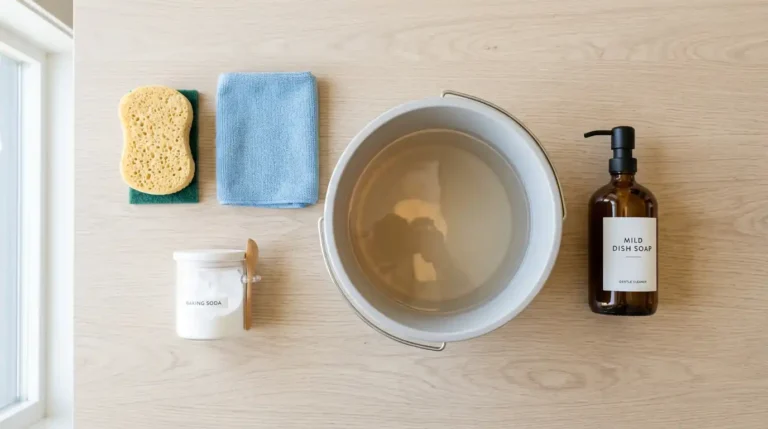
Have the proper equipment. Will speed the job in a proper way and prevent unnecessary damage. The equipment needed is compatible and can be found in your own house.
Essential Cleaning Supplies
Gather these items before you begin:
- Two buckets
- Dry towels
- Hovering with a brush attachment is a good way of keeping the vehicle clean.
- Soft-bristle brush
- Rubber gloves
- Conduct an enzymatic test using a gentle dish soap.
A mild soap should be used on walls as it will not stain the wall or remove the paint. Never use any cleaning Products with bleach, ammonia, or heavy solvent unless the company manufacturing it allows you to.
The Best Way to Remove Common Wall Stains
Different stains have to be cleaned differently. Once you see what kind of stain it is, you will have a better chance of removing the stain without paint.
Fingerprints and Everyday Dirt
Markings are best gone with warm water and a light microfiber cloth. Some dish soap can help lift the oils from the surface.
Wiping down walls, etc after light use: this is still the best method of washing painted walls as it doesn’t damage the paint and will lift daily dirt, etc.
Grease Stains
Most of the walls in the kitchen have a thick film of grease on them due to the amount of cooking. Take the sponge which has been dipped in soapy water and apply it onto the wall and leave for about 30 seconds, then wipe off.
Don’t scrub too hard; the grease should start to melt after a few moments sitting in the solvent.
Scuff Marks
Remove marks from shoes, chairs, bags, etc., like scratches, with deodorizer and fiber cloth damp clean wipes.
Remove if still visible. Mix tbsp baking powder with a little water to make an abrasive paste. Use a soft cloth to apply and rub onto the stain gently, rubbing in until the stain is lifted.
You may also want to read these posts:
Choosing the Right Painted Wall Cleaner
Many commercial brands of stain removers are proposed to be quick-acting, but not all of them are safe for painting.
A good painted wall cleaner will be one that will take away any dirt, not be hard, and not leave a film of cleaner on the paint. Most products made for painted walls should be ok. Test a small hidden patch for a reaction, then go on and clean the whole wall.
The safest and cheapest option for the average household is warm water and mild dish soap.
Best Homemade Wall Washing Solution
The majority of those seeking paint removal without damage to their home would opt for a natural cleaning solution. They are affordable, clean easily, and are known to be safe for painted walls. A home formula for washing walls is:
Simple Homemade Cleaning Recipe
Mix the following ingredients in a bucket:
- 1 gal of water (which is 45 o C warm water) 8.
- 1 teaspoon dishwashing liquid that is not too heavy in scent (I used Dawn).
- ½ cup plain white vinegar (that wasn’t even needed if satin/ semi gloss)
Mix in 1 part water, and there you have a wonderful all-round cleaner that will not make your hands sticky. This cleaner can be used to remove everyday dirt, dust, smears, fingerprints, and other things off the average shiny surface. For flat or dull painted surfaces, omit the vinegar and wash with warm water and a small amount of dish liquid.
Make a small concealed part of the wall to experiment on before applying it to the finished wall.
Washing Painted Walls Best Way: Expert Tips
Professional painters know that the cleaning product isn’t everything and that technique plays a role. Follow these simple tips to help save your walls and cleaner better:
Clean Small Sections at a Time
Using your work in sections at a time, rather than over the whole surface, will put paid to streaking; rinsing and drying the surface away without question is also an advantage. It can also help you to spot any areas you need to give a little more attention to.
Never Oversaturate the Wall
Another very popular mistake in many homes is overwatering: if you almost destroy the land by watering it too heavily, it’ll tend to resist the dry air of your home. Too much water will quickly hide in your drywall and in your paint, and start coloring them with dirt or encouraging mold growth. Always grab a moist towel when working over painted walls.
Avoid these mistakes
Some of the wrong cleaning habits, even with the best products, can return and hurt your paint. Learn what not to do.
- Using steel wool or abrasive scrubbing pads.
- Where ammonia or bleach was directly applied to the painted surface
- Washing freshly painted bare wall plates before they are cured.
- From my knowledge of general practices, spray cleaners are designed to be sprayed directly onto the wall (rather than the cloth).
- Missing dust before washing
- If you have a wet wall and you want to dry it.
Preventing these mistakes can be more significant than choosing the perfect Wall Cleaner. A light hand will ensure the long life of the colour and covering of your wall.
How Often Should You Clean Painted Walls?
The frequency of washing the walls will be dependent on the traffic in the room. A pathway, for example, will need a lot more dirt removed than a guest bathroom.
Here is a simple maintenance guide:
Area | Recommended Cleaning Schedule |
Hallways | At these timings, i.e., every 2–3 months, the practicalist checks the inductors. These are 0.33uH and 0.67uH. |
Living Rooms | Backgrounds within 4–6 months |
Bedrooms | Around 6–12 months |
Kitchens | Monthly spot cleaning, deep cleans with a six- to eight-week interval. |
Bathrooms | 2–3 month doses administered with 2–3 month intervals |
Lightly dust down in-between deep cleans to allow dust not to build up and to make cleaning far quicker.
When Cleaning Isn't Enough
Sometimes the stain persists, or the paint over the stain bleaches, chips or peels off. When this occurs, the easy solution is often to apply a further coat of paint.
If your walls are stained, dirty or old, then a professional coat of paint could make a whole new world of difference. We provide professional interior paint work to refresh your walls with reliable, professional results.
Conclusion
Keeping your painted walls clean doesn’t have to be a hassle. Keep some mild cleaners on hand, and keep your feet and mouth firmly out of the way; knowing the paint finish and how best to go about its cleaning, dirt, finger marks, greasy smudges, or even accumulated scuff marks can be removed with ease.
After the need ends, it will help keep your house looking its best, saving you money on paint. Don’t let peeling paint, doomsday, or stains settle in; just call SD Custom Painting, and we will bring your wall back to life.
Frequently Asked Questions
Can I use dish soap to clean painted walls?
Yes. A gentle dishwashing liquid added to warm water can be used to clean normal painted walls and will also remove some of the daily contaminants such as fingerprints and general dirt.
How long should I wait before cleaning newly painted walls?
Let the wall “breathe”; ventilation should be left on for at least two weeks before washing.