
If you just painted a wall and the color looks different than expected, don’t panic. Does paint dry darker or lighter depends on the paint type, sheen, lighting, coverage, and surface underneath. In many cases, wet paint looks lighter or more reflective, then appears deeper once the coating dries.
The important thing is to judge the color after the paint has dried, in normal room light. A colour that looks wrong after 20 minutes may look OK later. If it still looks different when properly dried, then the problem may be coverage, sheen, lighting, primer or the surface and not the paint color itself. This guide explains why this happens, how long you should wait before judging a color, and what to do if your walls still don’t match once everything is dry.
Table of Contents
ToggleDoes Paint Dry Darker or Lighter?
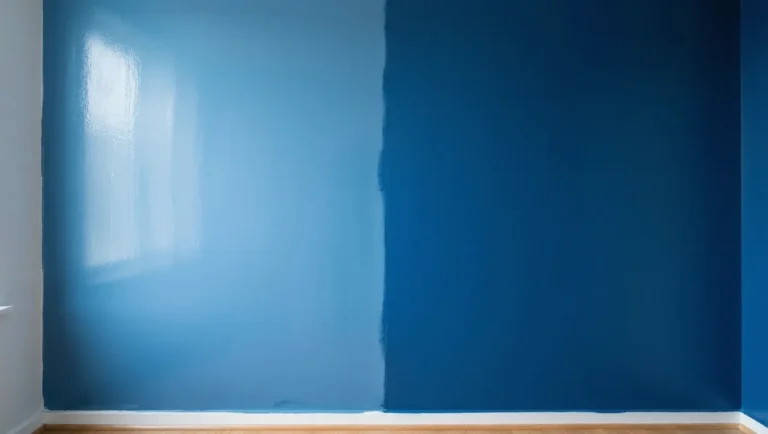
Almost all water-based wall paints look different when they are wet and usually can be darker or deeper when they dry. However, there is no rule that each paint will always dry darker.
However, when the paint is wet, the liquid in the coating alters how light reflects from the surface of the paint. When the coating dries, water or other solvents evaporate from the film. The binder and the colorants are more stable in the paint film.
That can cause the color to look richer than it did when it was wet.
It also depends on the product. You’ll get varying results with latex, acrylic, oil-based, and other paints and coats. And the finish itself. A flat wall paint will reflect the light differently than a semi-gloss or satin finish.
So if your fresh wall looks a little too light, wait before changing the color.
The simple rule: wet paint is not a reliable guide to the final color.
What affects the final appearance?
Several factors can change what your eye sees:
- Paint formulation
- Pigment and colorant load
- Paint film thickness
- Primer and surface color
- Surface porosity
- Paint sheen
- Natural light
- Artificial light
- Application method
- Number of coats
- Temperature and humidity
This is why two walls painted with the same color can sometimes look slightly different.
Benjamin Moore also notes that drying time varies by product, surface, temperature, and humidity. Its Regal Select interior paint, for example, is listed at about one hour to dry to the touch, one to two hours before recoating, and up to 14 days for full cure. Those times are product-specific, not a universal rule for all paints.
Why Does Paint Look Lighter When Wet?
If you’re asking yourself, ‘Does paint look lighter when wet?’ Then yes, in most cases it does.
It’s not just that the paint pigment “darkens” as the water leaves it. The wet coating has a different optical quality.
Newly painted paint is made up of liquid ingredients that are still immersed in the coating. The wet film has a different surface reflectance as compared to the dry film. The coating develops its regular surface finish when the moisture evaporates and the coating forms.
Consider what happens when a wet piece of wood gets painted. Wet looks darker. It’s because water alters how light hits the surface. Paint works a little differently, but it’s still the interaction between moisture and your eyes.
Another equally important factor is the film thickness of the paint.
A light coat may result in some of the primer or the surface showing through. A thicker coat can give a smoother, more even finish.
That is why a fresh coat should not be judged from one small wet brush mark.
Wet paint versus dry paint
Wet paint:
- Contains liquid that has not fully evaporated
- Can look more reflective
- May appear lighter or less settled
- Can show brush or roller marks
- Is not the best time to judge the final shade
Dry paint:
- Has formed a stable paint film
- Shows its intended sheen more clearly
- Usually gives a deeper and more even color
- Can reveal coverage or sheen problems
- Is a better time to judge the result
The color change you see is mainly an appearance change in the paint film, not a simple case of pigment changing from one color to another.
Does Water-Based Wall Paint Dry Darker?
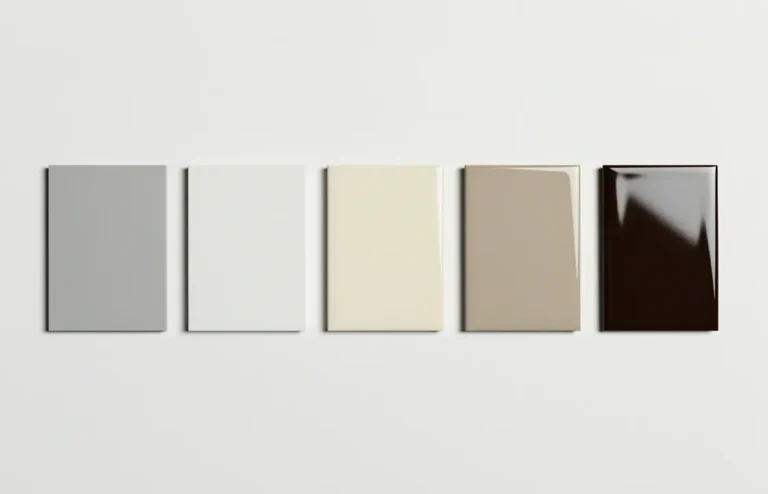
A water based wall paint can look different while wet and after drying. Many latex and acrylic wall paints appear lighter or more washed out when first applied, then look deeper when dry.
Water-based coatings use water as the main carrier. As the paint dries, that water leaves the coating and the remaining materials form the paint film.
But don’t assume every water-based product will show the same amount of change.
Here is a simple comparison:
Paint type | What you may notice while drying |
Latex paint | Often looks lighter or different while wet |
Acrylic paint | Usually shows some change, depending on the product |
Oil-based paint | Can change as the coating dries, with behavior varying by formula |
Water-based wall paint | Often looks different because the wet film and dry film reflect light differently |
The exact result depends on the product’s binder, pigment, colorant, sheen, surface, and application.
This is why the manufacturer’s technical data is more useful than a general drying rule. Benjamin Moore states that its waterborne acrylic and latex paints generally dry faster than alkyd and oil-based products, while humidity, surface type, and other conditions can change drying time.
Does Paint Sheen Change How the Color Looks?
Yes. Sheen can change how your eye sees a color even when the paint formula is the same.
Common paint finishes include:
- Flat
- Matte
- Eggshell
- Satin
- Semi-gloss
- Gloss
Flat and matte finishes scatter light more softly. Higher-sheen finishes reflect more light. That reflection can make a color appear brighter, richer, or different from a flat version of the same color.
Viewing angle matters too.
A satin wall may look one way when you stand directly in front of it and another way when light hits it from the side. Glossy surfaces can show even stronger reflections.
Lighting adds another layer.
A warm 2700K bulb can bring out warm yellow, cream, or peach tones. A cooler 5000K light can make blue and gray tones stand out more. Natural light also changes during the day. BEHR recommends testing paint colors in the actual room and viewing them under different lighting conditions.
So if your paint looks darker at night than during the day, that does not mean the paint changed color overnight. The light changed.
Why Does My Paint Still Look Different After It Dries?
If the paint looks wrong after it has dried, don’t immediately buy another gallon.
First, find out why it looks different.
If the paint looks lighter than expected
Check these causes:
- Insufficient coverage: One thin coat may not fully cover the old color.
- Primer showing through: A light or dark primer can affect the appearance when the topcoat does not fully hide it.
- Surface porosity: New drywall or repaired areas can absorb paint differently. Benjamin Moore notes that primer helps even out porous new drywall and improve uniformity.
- Lighting: The wall may look lighter under strong daylight and darker under warm indoor bulbs.
- Sheen: A different sheen can change how much light the surface reflects.
If the paint looks darker than expected
Check for:
- A second coat: More uniform coverage can make the color look richer.
- A thicker application: Extra paint can change the visual density and sheen.
- Different lighting: A room with less natural light can make colors look deeper.
- A touch-up area: A small patch can look darker because the new paint has a different film thickness or texture.
- Old surrounding paint: The new color may be correct while the surrounding wall has faded or changed over time.
Uneven film thickness can also cause paint flashing, which is an uneven appearance in gloss or sheen. Sherwin-Williams lists porous surfaces, moisture during drying, temperature changes, uneven film thickness, and thin application among possible causes.
Why Does Touch-Up Paint Dry Darker Than the Wall?
This is one of the most common reasons homeowners think their paint “dried the wrong color.”
The original wall and the new touch-up may use the same color name, but they are not always visually identical.
Over time, the original paint can change because of sunlight, cleaning, wear, and normal aging. The sheen can change too.
Application also matters.
A wall originally painted with a roller can show a visible patch when you touch it up with a brush. The color may be close, but the texture and sheen are different.
Sherwin-Williams explains that touch-up results can change because of pigment concentration, film buildup, and the application tool. Deep colors can be especially difficult because their pigments need to stay well mixed during application. The company recommends using the same type of applicator used for the original coat to reduce texture differences.
Paint storage can matter as well. Stored paint can lose moisture, which can make an old batch harder to match with the existing wall. Sherwin-Williams also explains that water leaves the paint film as it dries and that the way moisture interacts with the surface can affect the final touch-up appearance.
Before touching up a visible wall
Check:
- Is it the same paint product?
- Is it the same color formula?
- Is it the same sheen?
- Is the old paint faded?
- Was the old paint applied with a roller or brush?
- Has the paint been stored for a long time?
- Is the new patch thicker than the surrounding coating?
If several answers are different, a small touch-up may never blend perfectly.
Does Caulk Dry Lighter or Darker?
Caulk does not behave exactly like wall paint.
Whether caulk looks lighter or darker after drying depends on its formula, color, moisture content, and surface. White caulk, for example, may look different while wet than it does after drying.
Common caulk types include:
- Acrylic latex caulk
- Silicone caulk
- Paintable caulk
- Sealant
Do not assume every caulk has the same wet-to-dry color change.
The safest approach is to follow the manufacturer’s drying and curing instructions. If the caulk is paintable, wait for the stated drying time before applying paint.
Also remember that drying and curing are not always the same thing. Drying means the surface has become dry enough for the next step. Curing is the longer process in which the material reaches its intended hardness and performance.
Does Acrylic Paint Dry Too Fast?
Acrylic paint can dry faster than many oil-based coatings, especially in warm, dry conditions.
That does not mean the final color will be wrong.
The bigger issue is that fast drying gives you less working time. Paint can start setting before you finish blending an area. This can create lap marks, uneven texture, or visible overlaps.
If acrylic paint dries too fast, pay attention to:
- Room temperature
- Humidity
- Air movement
- Direct sunlight
- Paint film thickness
- Working size
- Manufacturer instructions
Avoid judging the color while the coating is still wet.
Benjamin Moore notes that waterborne acrylic and latex paints generally dry faster, while humidity and surface type can change the drying process.
How to Know the True Paint Color Before Painting the Whole Wall
The best way to avoid a color mistake is simple: test the actual paint in the actual room.
You do not need to guess from a tiny color card.
1. Buy a real paint sample
For example, a current BEHR Premium Plus 8-ounce color sample at The Home Depot is listed at $5.98 and can cover up to 16 square feet, depending on the surface and application. That is a small cost compared with repainting an entire room.
2. Paint a real sample area
Apply the sample to the same wall you plan to paint. Do not judge it only from the paint can or a phone screen.
3. Let it dry
Follow the product’s stated dry and recoat times. Do not compare wet paint with a dry color chip.
4. Check it in daylight
Look at the sample in the morning and afternoon. Natural light changes as the sun moves.
5. Check it at night
Turn on the lights you normally use. Warm and cool bulbs can change how the same paint color looks.
6. Compare it with the room
Look at the sample beside:
- Flooring
- Cabinets
- Trim
- Countertops
- Furniture
- Curtains
- Existing wall paint
BEHR recommends testing samples on more than one wall and viewing them near windows, shaded areas, trim, flooring, and other room elements.
7. Check the sheen
A color in flat may not look the same as that color in satin or semi-gloss. This simple test can save you the cost and time of repainting a full room.
When Should You Judge the Final Paint Color?
Do not use one universal number for every paint.
Paint products have different drying and cure times. Temperature, humidity, surface type, airflow, and coating thickness also matter.
For example, Benjamin Moore lists Regal Select interior paint at about one hour to touch, one to two hours before recoating, and 14 days for full cure.
That means dry to the touch does not always mean fully cured.
For color decisions, wait until the coating has dried according to its product instructions. Then view it under the lighting you normally use.
If the color still looks wrong after that, investigate coverage, sheen, lighting, primer, surface color, or application before changing the paint.
When Should You Repaint?
Repaint when the problem remains after the coating has properly dried and you have ruled out lighting and sheen.
A repaint may be needed when:
- The color is clearly wrong
- Coverage is poor
- The old color shows through
- The wrong sheen was used
- The paint was mixed incorrectly
- The surface has severe flashing
- A touch-up cannot blend with the old wall
If only one small area looks different, don’t repaint the whole room until you know why.
If the problem affects the entire wall, the cause is more likely to be the paint color, coverage, surface, or lighting.
Need professional help with a paint color problem?
For larger projects, professional preparation and application can make a major difference in color consistency and sheen. San Diego Custom Painting provides interior and exterior painting services throughout San Diego County, with a process built around surface preparation, color planning, proper application, and final inspection.
If you need professional painting services in San Diego, get an estimate from San Diego Custom Painting and discuss the surface, paint type, color, sheen, and existing finish before work begins.
The Bottom Line
Reduce the temptation to get a new color if the fresh color appears lighter than you expected. Just remember that a wet color appears different than a dry finish due to the moisture content, reflectivity, sheen, coverage, and the surface.
The best test is a real sample on the wall. Allow it to dry in accordance with the product instructions, view it in day and artificial light, and compare it to existing finishes in the room.
If the dried color remains inconsistent, troubleshoot the issue before repurchasing the paint. It may have more to do with coverage, sheen, primer, lighting, porosity of the surface, or a touch-up mismatch than the color.
This method results in a better outcome, and you avoid the need to repaint a room you just did.
FAQs
Does paint look lighter when wet?
Often, yes. Wet paint can look lighter or more reflective because the wet film changes how light interacts with the surface. The dry coating gives you a better idea of the final appearance.
Does paint always dry darker?
No. Many paints appear deeper after drying, but the change varies by formula, sheen, coverage, lighting, and surface. Some colors may appear nearly unchanged.
How long does it take for paint to show its final color?
There is no single time for every product. Follow the paint manufacturer’s dry and recoat instructions. Remember that dry-to-touch and full cure are different stages.
Why is my touch-up paint darker than the wall?
The old wall may have aged or faded. The new paint may also have a different film thickness, sheen, pigment concentration, or texture. Using a different brush or roller can make the patch more visible.
Does a second coat make paint darker?
A second coat can make the color look richer or more uniform because it improves coverage and film build. That does not mean the paint itself changed into a darker color.
Does caulk dry lighter or darker?
It depends on the caulk formula and color. Acrylic latex, silicone, and other sealants can behave differently, so follow the product’s drying and curing instructions before judging the final appearance.
Does lighting change how paint color looks?
Yes. Natural light changes throughout the day, while artificial bulbs can bring out different undertones. A paint sample should be viewed under the lighting used in the room.