
Can You Paint Over Mold? Here’s Why It Fails and What Actually Works
Mold is just about the top of the list of household problems that people have to address in humid areas in a house, such as the bathroom ceiling, the basement wall, or the corner of the kitchen. With a little knowledge, a nasty mold infestation in places can be quickly discouraged if left unfixed. The question then becomes, is it possible to paint mold-infected places like the ceiling or the wall to ‘cover up’ the defect, rather than taking the time and trouble to provide an actual cure?
Before the paint is covered over, try to understand the reasons behind the causes and effects of the mold by researching and then looking into how it can be prevented/removed. Firstly, here is how I remove paint from the walls, followed by some suggestions for the best durable outcomes.
Table of Contents
ToggleWhy Painting Over Mold Is Never a Permanent Solution
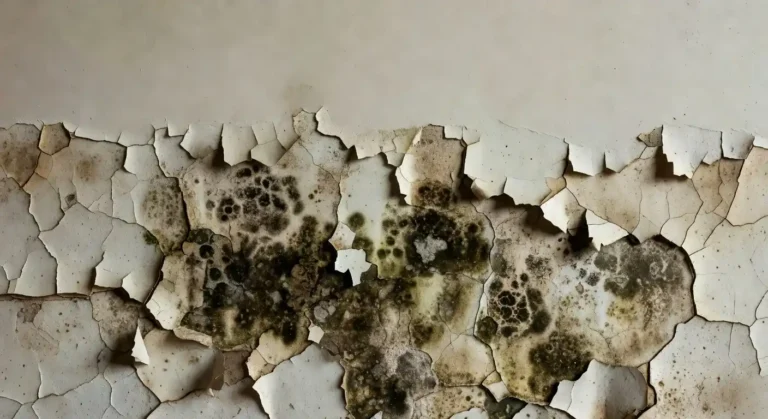
Painting is intended to protect and to decorate a surface. It is not supposed to cause biological colonization. When molds stay alive underneath the painted walls, they still consume humidity and organic matter behind the paint. Over time, the paint begins to bloat and to discolor or to lift.
A lot of people want to know if painting over mold will kill it, but unfortunately the answer is no. Very basic paint will merely cover the surface, trapping in the mold spores and not killing either the spores or the source of the moisture that causes them to thrive.
Covering the problem up in this way prolongs the experience of it occurring and leads to greater financial outlay. Painting over mold without learning from the problem does not even provide a quick fix; it merely prolongs the time before the problem becomes visible again.
How Mold Damages Painted Surfaces
Mold prefers to flourish in moist environments with poor ventilation. As the colony spreads, it debilitates drywall paper, wood, and even paint adhesion. The following are a few of the typical symptoms:
- Paint blistering and peeling
- Dark stains penetrated by new paint
- Musty smell lingering indoors
- Broken or damaged drywall and adjacent material
- Repeated mold growth after repainting
These factors account for the inability of just deciding to paint over mold to be successful in the long run.
Mold on the internal walls?
Mold can form if there is an extended period of time that a surface has high levels of moisture. There are small amounts of mold spores in the air; however, these only grow if there is moisture and organic matter present.
Bathroom walls can mold easily since they are humid all the time due to the warm showers and no ventilation is available. In the absence of a ventilation system, the bathroom walls and ceiling gain a great amount of moisture.
Other common causes include:
- Roof leaks
- Leaks in the plumbing that are concealed behind walls
- Basement moisture
- Flood or water damage.
Signs That Mold Is Hidden Behind Paint
Occasionally, mold can be hidden until after the walls have been painted by previous inhabitants or contractors. Possible signs that you are dealing with paint-over mold include:
- Paint peeling for no apparent reason/without obvious reason
- Reappearing brown or black stains
- Prolonged musty smell
- Soft drywall
- Bubbling paint around windows or pipes
How to Remove Mold Before Painting
Prevention is better than cure any time. Make sure the surface of the property has been washed and dried before painting, and the mold taken off all surfaces to make sure the property and new painted surfaces are protected.
Step 1: Stop the Moisture Source
Step one of the process, which is a priority, is to find where the moisture is coming from. Seal all leaking toilets. Seal all leaking plumbing. Install new bathroom exhaust fans. Eliminate roof leaks.
Step 2: Clean the Affected Surface
There may have been gloves, goggles, and a face mask. Wash with a detergent or mold cleaner (appropriate to internal walls) and dry if encountered in a small room/area.
For example, mostly if it is a large amount or that it has been there for a while, or in any event, call in the mold removal companies.
Step 3: Prime and Repaint Properly
Once the walls have been washed & dried, apply a high-quality stain-blocking primer specifically formulated for application on wet walls and providing good coverage. Once dry, finish with your chosen high-quality interior wall coating.
You may also want to read this:
Can Anti-Mold Paint Solve the Problem?
Most homeowners think that anti-mold paint will supersede all mold growth in their house; however, that’s false. These specific coatings have additive components that will reduce future mold formation on the surface of the paint. In addition, these kinds of paints are preventative and not for already formed mould.
As long as active mold exists beneath, no matter how high the quality of paint on it is, it will all eventually succumb because water still supplies the colony under the coating.
Product | Purpose | Best Used For |
Standard Interior Paint | Decorative finish | Clean, dry walls. |
Mold-Resistant Primer | Helps create ideal conditions for adhesion and prevents the future growth of mildew. | What can be done after the removal of the mold? |
Professional Mold Treatment | Elimination of active mold and treatment of moisture. | Persistent problems with big or repeated infestations |
Applying the right products after time-consuming cleaning will achieve much better results in the long run than painting over the stains immediately.
Paint and Mold: Common Myths vs. Facts
There are many misconceptions about paint and mold that currently mislead homeowners to take expedient action rather than taking permanent solutions. If you understand the facts, then it may save you from unwanted repairs and protect the interiors of your home.
Myth: Mold-Resistant Paint Works on Existing Mold
Mold-resistant paint has to be used to prevent the development of further mold on the processed surfaces, which are dry and were treated before. Nothing has to be done for eradicating the mold already present. Used over the former wall where mold is in the meantime, mold will be created in the same time span.
Myth: Mold Only Grows in Old Homes
Both new build and old properties are able to contract mold, and any property in which the conditions exist for high moisture levels, leaks or poor ventilation may develop mold. The importance lies in the extent of the damage incurred, the maintenance levels of the property and the moisture levels present, rather than its being a new build or an old build.
When Should You Call a Professional?
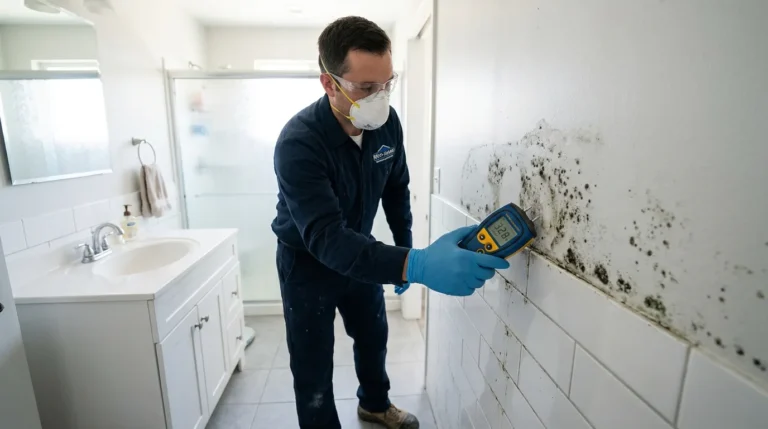
There may come a time when you’re asked to call a contractor. Only in a very limited number of circumstances can visible mold be safely removed after you have identified and corrected the moisture source.
- After cleaning, the mold came back.
- Water damage, be it on drywall, blow-in insulation, or wood framing.
- It has a really bad smell in the house – that old musty smell.
- There was an overflow or the water became contaminated, thus creating mold.
- An individual in their home state is having an allergy or pulmonary irritation and suspects it is mold-related.
Take some apparatus and try to locate why the entrance is damp; dispose of the pieces you take out carefully, but quickly, and dry the room out where it has been repaired. You might save in the long term if you lose out for now and then do the bigger repair in the future.
How to Prevent Mold After Repainting
Prevention is much easier than removal. If you make a point to thoroughly clean and repaint your walls after they are treated, you can then follow some simple maintenance and care guidelines to maintain pristine and healthy walls.
Here are several practical ways to reduce future mold growth:
- Every day, the walls and windows should be cleaned of condensation.
- Remember to turn on the exhaust fans when and after bathing.
- Check for hidden leaks in the roof and pipes annually.
- Use quality primer and an impervious-to-water paint in the humid atmosphere.
This process will safeguard both your property structure and your paint while minimizing the future occurrence of mold problems.
Conclusion
Repainting may appear to be a quick remedy, but in reality, it is not a valid method for tackling active mold. The question of whether you can paint over mold has a straightforward answer- only when the mold has been entirely eradicated and the moisture problem addressed first. Failing to do so can result in peeling paintwork, persistent stains, and high costs incurred from various repairs.
The beginning of a great project is identifying the source of water, cleaning or recovering the surface and having it dried properly, and then applying your primer and paint. Instead of hiding or preventing, prevent and protect your indoor air, extend the life of your paint,t and maintain your house better.
Frequently Asked Questions
Can I paint over mold if it looks dry?
No. It can look dry, and the spores are still alive. Clean the area fully, dry and find out where the wet source is, and dry it up before painting.
Does painting over mold kill it?
No. Paint will not kill mold, nor will it remove the spores. The mold is simply obscured by the paint, while it may continue to grow under the coats.
Is anti-mold paint enough to stop future mold?
No. Although anti-mold paint will help delay the new surface growth, it is no use if the paint is covering a leak, lack of ventilation, or excess humidity. The control of moisture is the most critical element.
Can mold grow through fresh paint?
Yes. If any mold is left behind and/or any moisture remains behind the wall, then it can, over time, grow through or damage the new coating of paint.