
How to Remove Paint from Brick
The simplest brick building can be made into quite a property by painting the brickwork; however, paint can not last for an eternity. Brick paint will, like any other form of paint, peel off the wall and wear; it can also prevent the brick from breathing and make it appear dull. If you are desperate to give that tired fireplace, wall or feature back its former glory, do not panic; educate yourself on how to get paint off brickwork.
Bricks do not behave like a smooth surface and are not non-porous. The paint would penetrate the larger pores in the brick face and be difficult to strip off in the future. Also, the risk of discolouring the brickwork or damaging the brickwork and stressing the mortar has been considered as well.
Table of Contents
Toggle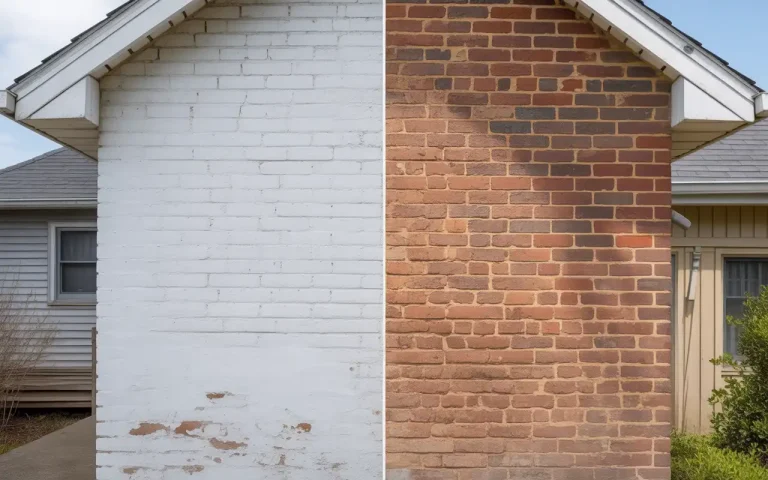
How to Remove Paint from Brick: 5 Proven Methods
The removal of paint from the brick is proving extremely hard because of how absorbent a brick is, and requires the correct technique and patience. There is no single way in which paint can be removed; it depends on the paint and also the position/ condition of the brick (whether internal or external).
Most homeowners can achieve the best results using a combination of methods rather than an isolated example of one of these types. Different paint strippers, a light scrape, pressure spray, or heat treatment can be used. However, it is always best to try one of these methods on an isolated patch of brickwork first.
Can You Remove Paint from Brick?
Yes, but how easily the paint comes off the brick will depend on various things. Brick is extremely porous, so paint will penetrate the brick, especially the older it is, and it will be much harder to remove.
Several factors influence the outcome:
- Brick type, whether new or broken.
- Time in the paint
- The number of paint layers
- Regarding all types of paints, which are latex, acrylic, oil-based, and masonry paint
Old bricks are often softer than modern bricks and will therefore be more susceptible to damage during the restoration work. Inappropriately selected cleaning agents can damage bricks, and so consideration must be given to the method used to remove the old material.
Common Risks During Paint Removal
Before beginning, here’s some info to be aware of:
During improper cleaning, the brick working face, mortar joint, or efflorescence can be scratched or abraded. High water pressures can also inject unnecessary quantities of moisture into the mortar.
Before You Begin Paint Removal
How you actually perform the execution may be more critical to the final product and repeatability than you expect, and I strongly suggest you take some time and arrange your work environment, and have all the tools you might need ready, both to save time and to execute safely.
For beginning the removal, you have to create layers of flooring, landscaping, furniture, ornaments, etc with thick and rupturable sheets of plastic. Also, with gloves, safety goggles, atomizer mask if any chemicals are used during production or application, or if dust is produced.
Essential supplies include:
- Plastic scraper
- Wire brush
- Masonry-safe cleaner
- Drop cloths
- Plastic sheeting
- Garden hose
- Pressure washer (optional)
Test a Small Area First
Before working the entire piece, always test your removal method on a hidden section of the brick.
This is a basic test but also useful in that the amount of time it takes for the paint to be wiped off cleanly will tell you how deep the paint has penetrated, whether the method or product chosen is appropriate for the removal of the paint without any damage to the masonry, and some sort of idea as to the time and material commitment of the whole job.
When Paint Removal Should Be Avoided
It could be argued that whilst most brickwork can be repaired, it is not always the route which must be taken.
Avoid removing paint if:
- The brick is severely cracked or crumbling.
- The paint contains lead and proper safety equipment is unavailable.
- Historic masonry requires preservation.
- The wall has structural damage or moisture problems.
If taken action in time, it will prolong the longevity and enhance the quality of brickwork.
Paint Removal Methods from Brick Surfaces
There are several methods that are often used for paint removal from brickwork. The best method depends on what the brickwork and the paint are like:
Chemical Paint Strippers
The easier answer to which stripper you need is a good brick stripper, and these never go wrong with paint softening without making your paint dry to a brush-hardened effect. The majority of brick-appropriate strippers are of the consistency of a thick gel or paste that will not run off the brickwork and will not “flash off” the paint.
Let the stripper stand as instructed, and after applying, and soften paint can be prised out softly. This will have to be done a number of times for very thick paint layers.
Pressure Washing
It is fast and may work better on external brick to remove paint if already flaking or as a secondary to chemical stripping.
A low to medium pressure is ideal, which will clean the brick of loose paint without excessively damaging the brickwork. Too much pressure may damage the mortar joints and strip the surface off the brick.
Heat Guns
A heat gun works well for the small, intricate applications.
Lightly heat the paint until the body is soft enough to “pick off” with a detailing knife or scraper, but do not leave the heat source on one area of the body for too long as if it gets too hot it could potentially crack old brittle bricks or set fire to the other materials.
Manual Scraping and Brushing
One of the safest solutions for extensive cleaning is to manually scrape the work.
Plastic scrapers will not mark the brick whilst removing loose paint, and stiff nylon or wire brushes can be used for heavily textured walls. This is particularly effective in removing residue after chemical stripping, collecting small amounts of paint.
Media Blasting
Media blasting relies on the application of a fine abrasive media against masonry to strip coating.
This method is best for big commercial jobs but needs equipment and knowledge to use the equipment. Poor blasting will very easily result in irreparable damage being done to the brick, so if it needs doing, get it done by someone who does.
How to Remove Paint from Brick with a Paint Stripper
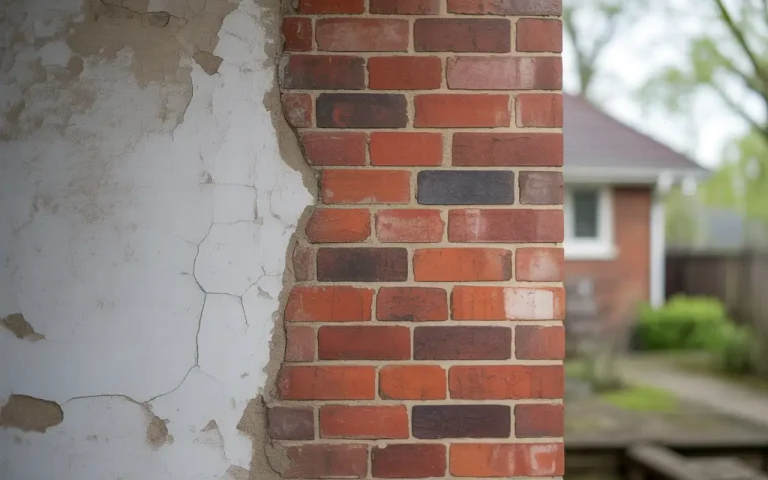
Applying a masonry-safe paint stripper will be the easier method for many homeowners to choose in order to achieve the right combination of efficient removal process and surface care. If you are asking yourself how to get paint off bricks without unnecessary deterioration, then start here.
Step 1: Prepare the Surface
Apply a soft brush to remove any dust or loose earth. Use plastic sheeting to protect all the windows, trim, and all plants within the surrounding area from overspray.
Step 2: Apply the Paint Stripper
Spread the product thinly on the painted surface and work the formula according to the manufacturer’s instructions. Allow the solution to sit and loosen the paint. Skimp at this point and it will bite you in the end!
Step 3: Remove the Softened Paint
When lifting the paint, gently scrap it away with a plastic scraper, in small areas and with not too much pressure so as not to damage the masonry.
Step 4: Clean the Brick
When almost all the paint has been removed, wash down thoroughly with plenty of water, gently scrubbing the brickwork with a soft bristle brush to dislodge any residual paint from the brickwork. Repeat until all the “stains” have disappeared.
Step 5: Please use the Brick to dry
The brick should have become completely dry to be sealed, repainted, or used in extra restoration. Also, once painted, it would become dry enough for you to find Outdried paint that needs to be eliminated.
You may also want to read this post:
When to Call a Professional to Remove Paint from Brick
Although most small paint removal jobs are doable with a bit of patience and the right equipment, sometimes you really do need the professionals. In order to prevent damage to a historic brick, or a brick that is heavily painted or already damaged, seeking professional advice may be wise.
Trades-Using the correct equipment and approaches allows trades to effectively remove stubborn coatings without destroying the integrity of the brick. Trades are also aware of the effects that trapping moisture, deteriorating mortar, or lead paint can have before restoring it.
Signs You Should Hire a Professional
Consider hiring a brick restoration expert if:
- This is a large exterior wall or multi story building-a screen.
- Lead in the paint may be present.
- There are many video tutorials and forum topics on paint removal, but none of the past DIY efforts have managed to remove the paint uniformly.
- You observe the presence of loose mortar, a crack in the wall, or water staining.
Fast and effective existing restoration can help you get back your brick as soon as possible and avoid any long-lasting risks to the bodywork. Not only will it save your time, but also your brick will stay strong and nice-looking for years.
Restore or Revive Your Brick with Professional Help
From a color-washed brick wall to a deck patio, or a painted fireplace, the initial removal of the paint is important. Each brick wall surface is different, and for best results with the right removal method, the nature of the paint and brick need to be considered.
Combined with trusted industrial supplies, skilled application, and effective repair work, this approach can preserve mortared brick while eliminating coatings and surface treatments. No matter how large or small an installation is, expert support can ensure clean, consistent results.
Not sure how to get paint off brick? To safeguard the integrity of your brickwork, it is a wise choice for an expert in restoration masonry or a painter to evaluate the beauty of your brick
Final Thoughts
Knowing how to strip paint from brick is not just about getting rid of old paint, it is about saving one of the most resilient and appealing building materials there is. Selecting an appropriate method, applying the surface preparation accurately, and having some patience can all lead to a better result.
Whatever options you choose – you may wish to do this work by yourself or get a professional to do the more complicated parts of the restoration – by doing the process in the correct way you can retain the texture, color and strength of the brick. With the right treatment, exposed brick will be a feature in your property for many years to come.
Frequently Asked Questions
Can vinegar remove paint from brick?
However, white vinegar is unlikely to be effective on many old layers of paint or more than a small amount of fresh latex. For more durable or numerous old layers, a more specialized patio and masonry paint remover is expected to be much more successful.
Is pressure washing safe for painted brick?
Pressure washing can be an effective method of paint removal if applied carefully; too much pressure can damage mortar joints and more porous bricks. It should be applied after the paint has been loosened through another method.
Can all types of paint be removed from brick?
Many paints, particularly latex, acrylic, and oil-based paints, can be removed as the paint coating is soluble; however, old paint on a porous brick surface can become extensively absorbed into the brick, resulting in very subtle staining even following removal.