How to Paint Over Oil Based Paint (Step-by-Step Without Peeling)

Painting over an old oil-based coating is possible, but the new paint needs a surface it can grip. The key is checking the old finish, cleaning it well, preparing the surface, and using a compatible primer before your new topcoat.
You can use water-based paint over a properly prepared oil-based surface. The biggest mistake is applying new paint directly to a hard, glossy coating without checking its condition first. This guide covers each step, the right primers, and fixes for common problems. It also covers lead safety, spraying, and special notes for doors, trim, and cabinets.
Table of Contents
ToggleCan You Paint Over Oil Based Paint?
Yes. You can paint over oil-based paint with latex, acrylic, or more oil-based paint. The problem is the surface, not the color.
Cured oil paint often leaves a hard, glossy surface. A new topcoat slides on a glossy surface because it has nothing to grip. Good surface preparation gives the paint something to hold.
You have two paths. Going from oil-based to water-based paint needs a bonding primer. Going from oil-based to oil-based paint needs a matching cure state.
Water Based Paint Over Oil Based Paint: Why It Peels
Water-based paint sticks poorly to oil paint because of how each one hardens. Oil paint cures through cross-linking. Its molecules lock together as they react with air.
Curing is not the same as drying. Dry means the surface feels dry to the touch. Cured means the film has fully hardened. The older the oil paint gets, the harder and smoother it becomes.
Water-based paint uses water and acrylic resin. It struggles to grip that slick film. Painters who put water-based paint on top of oil-based paint without prep often see peeling and blistering.
A bonding primer fixes this. It works as a bridge coat between the old film and the new paint. Water-based paint also has lower VOC levels than oil paint, according to the EPA’s guide to volatile organic compounds. That makes the switch worth the extra prep.
What You Need to Paint Over Oil Based Paint
- Denatured alcohol and a cotton ball or cloth
- Soap and water, plus TSP or a TSP substitute
- 180-220 grit sandpaper or a sanding sponge
- Putty knife and wood filler
- Vacuum, tack cloth, and a microfiber cloth
- Bonding primer and your water-based topcoat
- Respirator, gloves, and a lead test kit
How to Paint Over Oil Based Paint: Step-by-Step Prep and Paint Process
Start with a quick check of your surface:
- Sound paint: clean, scuff, and prime.
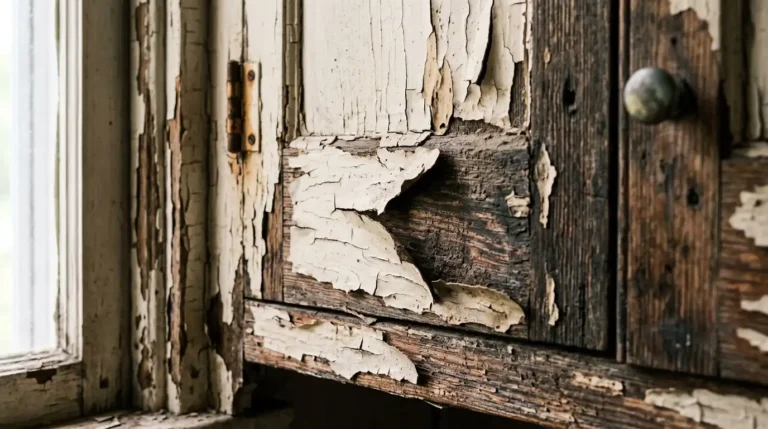
- Peeling paint: scrape off loose paint first.
- Glossy paint: scuff sand, or use a bonding primer made for slick surfaces.
- Damaged spots: repair them before you prime.
Step 1: Confirm the Paint Is Oil-Based
Put denatured alcohol on a cotton ball. Rub a small, hidden spot. If the paint softens or transfers to the cotton, it is a water-based coating. If the finish stays firm, treat it as an oil-based coating.
Rubbing alcohol also works, but it acts more slowly. Alkyd is a common resin in oil paints, so alkyd paint follows the same rules. Waterborne alkyd is water-based, yet it cures very hard and may not soften. Treat it like oil paint. When you are unsure, use the oil-based prep.
Step 2: Check for Lead Before Sanding
Homes built before 1978 may have lead-based paint. Test first with an EPA-recognized lead test kit. Do not sand or scrape until you know the result.
The EPA RRP Rule requires certified pros for paid work in most pre-1978 homes. Owners working on their own home have more freedom. The dust is still harmful.
If lead shows up, use wet sanding to keep dust down. Wear a respirator and clean with a HEPA vacuum. For large jobs, call a certified pro. Check local rules before you start.
Step 3: Confirm the Old Paint Is Cured and Sound
Press your thumbnail into a hidden spot. If it leaves a dent, the paint is still curing. Wait before you go on.
Scrape flaking spots with a putty knife. Sand the edges of chipped paint until they blend in. Painters call this feathering. It stops ridges from showing through the new coat.
Step 4: Clean and Degrease
Grease and grime block adhesion. Wash the surface with soap and water first. Then use TSP or a TSP substitute. In kitchens, add a degreaser for cabinet grease.
Wear gloves and open windows for ventilation. Rinse well and let everything dry. Clean before you sand, not after.
Step 5: Scuff-Sand and Fill Repairs
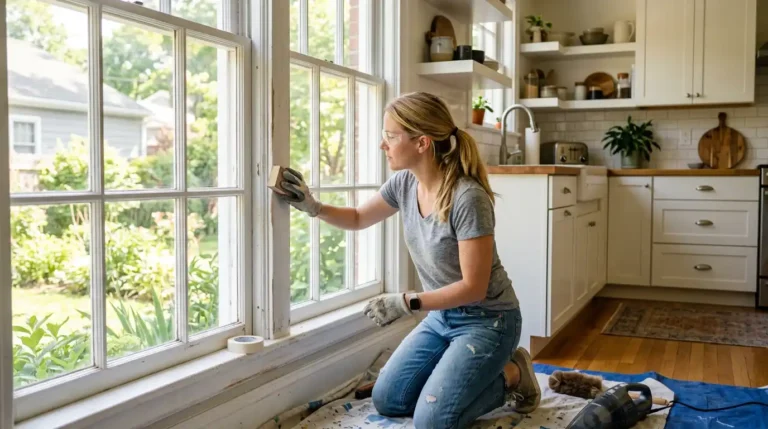
Fill dents and gouges with wood filler. Let it dry, then sand it flat. Next, use 180-220 grit sandpaper on the whole surface.
This is scuff sanding, also called deglossing. You only need to dull the sheen. You do not need to strip the paint. A sanding sponge works best on curved trim.
Step 6: Remove All Dust
Vacuum the sanding dust first. Then wipe with a tack cloth using light pressure. Heavy pressure can leave sticky wax behind. A damp microfiber cloth also works well.
Step 7: Prime With the Right Primer
Pick the primer for your problem. Brands like Behr, Glidden, KILZ, and Zinsser sell most of these types.
Primer type | Best for | Trade-off |
Bonding primer | Glossy oil paint under water-based paint | Dry time varies by label |
Oil-based primer | Stains and unknown old coatings | Strong fumes, slow drying |
Shellac-based primer | Smoke, odor, knots, heavy stains | Strong smell, alcohol cleanup |
Acrylic-alkyd primer | Doors and cabinets that need a smooth finish | Check the label for recoat time |
Stain-blocking primer | Tannins and water marks | Use only where stains exist |
Tannin bleed happens on woods like cedar and redwood. Tannins rise through paint and leave brown stains. A stain-blocking primer stops this.
Painting a dark color? Ask the store to tint the primer gray. A gray-tinted primer helps dark colors cover in fewer coats. If stains still show, add a second coat of primer.
Step 8: Apply the Water-Based Topcoat
Use an acrylic enamel for a tough finish. On cabinets, doors, and trim, choose a urethane-modified enamel. Self-leveling paint smooths out brush marks as it dries. Semi-gloss holds up well on trim.
Use a synthetic brush and a mini roller. Two thin coats beat one thick coat. On doors and cabinets, lightly scuff between coats and wipe off the dust.
How to Paint Over Oil Based Paint Without Sanding
You can skip sanding on sound, clean surfaces with a light gloss. A liquid deglosser wipes away the sheen without sandpaper. Wear gloves and keep the room ventilated.
After that, apply a bonding primer or an adhesion primer. Many labels say sanding is optional on sound surfaces. Always follow the label.
Try a test patch first. Prime and paint a hidden spot, let it cure, then scratch it. If the paint holds, go ahead.
Do not skip sanding on high-touch surfaces. Cabinets, door edges, and handrails take daily wear. Sanding also adds bite that a primer alone may miss. Test for lead either way.
Painting Over Oil Based Paint With Oil Based Paint
Choose oil-based paint for heavy wear, damp rooms, or some exteriors. The rule is simple: match the cured state. A natural oil-based paint that has not cured needs another natural oil-based paint on top.
An alkyd enamel that has not cured takes alkyd or natural oil-based paint. Water-based paint should never go over uncured oil paint. Use a natural-bristle brush for smooth flow.
VOC regulations limit which oil-based products stores can sell. Rules vary by area. Check the San Diego Air Pollution Control District for local limits.
Can You Spray Paint Over Oil Based Paint?
Yes, with the same prep. Clean, scuff, and prime first. Then spray in light coats.
Aerosol spray paint suits small items like chairs, hardware, and frames. Test a hidden spot first to check the finish bonds.
An HVLP sprayer gives a fine finish on doors and cabinets. An airless sprayer covers large areas like siding faster. Both throw overspray, so mask nearby surfaces. Wear a respirator and keep coats thin to avoid runs.
Surface-Specific Notes: Trim, Cabinets, Doors, and Exterior Surfaces
Surface | What to do |
Trim | Scuff, bonding primer, semi-gloss acrylic enamel |
Kitchen cabinets | Degrease well, scuff, prime, urethane-modified enamel. Keep doors open while they cure. |
Interior doors | Scuff edges, prime, self-leveling enamel. Lay flat if you can. |
Exterior siding | Scrape and wash. Multiple layers of old oil paint flex differently than new water-based paint and may crack. Oil paint can be safer. |
Metal doors | Spot-prime rust with a rust-inhibitive primer, then use a bonding primer |
Kynar-coated metal | Factory finish. Clean it and use a bonding primer. |
Masonry | Clean, let dry, use a bonding primer and a masonry-rated topcoat |
Decks | Remove loose paint. Use a deck-rated coating for foot traffic. |
On exteriors, your new paint is only as strong as the old paint’s grip on the wood.
Dry Times, Recoat and Full Cure
Drying means the surface feels dry. The recoat window is the time before you can add the next coat. Cure time is how long the film takes to harden fully.
Times change by product, so follow the label. Some primers need an hour. Others need a full day. Temperature and humidity matter too. Cool, damp air slows everything down.
Wait until each coat is tack-free before recoating. Go easy on cabinets and doors for the first few weeks. An old coat from decades ago is fully cured. A coat from last week is not.
Common Problems and Fixes
Test your work once the paint cures. For the scratch test, press a fingernail into a hidden spot. For the tape test, press painter’s tape on the paint and pull it off fast. If paint lifts, you have poor adhesion.
New Paint Peels or Scratches Off
Common causes are grime, no scuff sanding, or the wrong primer. A failing old coat can also cause adhesion failure. Scrape off the loose paint. Sand smooth with 120-180 grit and wipe away dust. Then reprime and repaint.
Paint Blisters or Cracks
Moisture, hot surfaces, and uncured layers cause blisters. Thick coats and stiff old layers cause cracks. Scrape the damage and let the surface dry. Prime again and apply thin coats.
Old Color or Stains Show Through
You likely used too little primer or the wrong type. Switch to a stain-blocking primer. Add a second coat and tint it for dark colors.
Need a Pro to Handle It?
Prep takes time, and one skipped step can ruin the finish. If you would rather hand it off, SD Custom Painting offers painting services in San Diego. We test old coatings, check for lead risks, and match the primer to your surface.
Now you know how to paint over oil based paint. Want the job done right the first time? Contact SD Custom Painting today to request your estimate.
Final Takeaway
The most reliable approach to painting over oil-based paint is simple: identify the old coating, check that it is sound, clean it, prepare the surface, use the right primer, and then apply the compatible topcoat.
You do not need to remove every layer of old paint. You need a stable surface that is clean and prepared for the new coating. When the old finish is peeling, glossy, contaminated, or difficult to identify, spend more time on preparation before opening the new paint can.
FAQs
Do I need primer over oil-based paint?
Yes. Primer creates the grip your new paint needs.
Can I use latex directly over oil-based paint?
It often peels. Use a bonding primer first.
How long should I wait before repainting?
It depends on the product and the age of the old coat. Follow the label for cure time.
What if I don’t know which paint it is?
Run the denatured alcohol test. If the result is unclear, prep it as oil-based paint.

Emily Escalante
Emily Escalante has spent 27 years working in the residential and commercial painting industry across San Diego. Her background in color, finishes, and surface preparation shapes the practical advice she shares on the San Diego Custom Painting blog, drawn from real jobs and real client questions.
Related Article
- All Posts
- Cabinet Painting
- Home Painting
- Home Remodeling