
Planning to paint your home’s exterior can feel overwhelming, especially when you’re unsure about the budget. You want a beautiful finish that lasts for years, but you also don’t want to overpay for services or materials. The good news is that understanding exterior house painting cost factors makes budgeting straightforward and helps you make smart decisions.
Most homeowners spend between $1.50 and $4 per square foot for professional exterior painting, but this range varies based on several key elements. Your home’s size, siding material, paint quality, and labor requirements all play a role in the final price. By knowing these factors upfront, you can plan your budget accurately, choose the right contractor, and avoid unexpected expenses that derail your project.
Table of Contents
Toggle
8 Exterior House Painting Cost Factors You Should Keep in Mind
1. Home Size and Square Footage
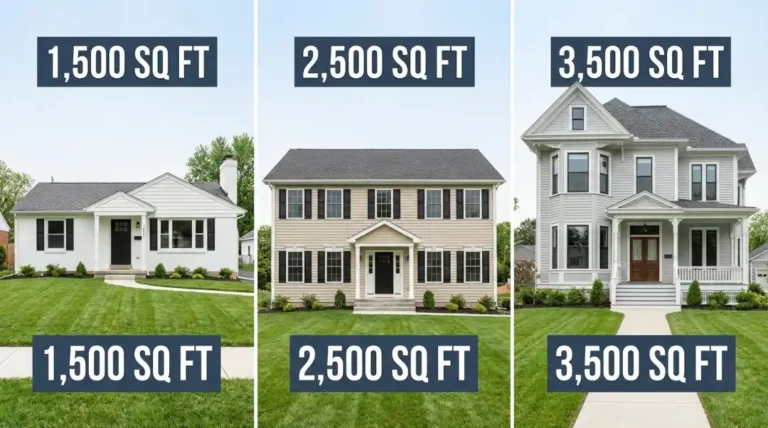
The size of your home directly impacts project cost. Painters measure the paintable surface area in square feet, not just the floor plan. A 1,500 square foot single-story home typically needs 8 to 12 gallons of paint, while a 2,500 square foot two-story house may require 15 to 20 gallons.
Each additional story adds 9 to 10 feet of height, which increases both material and labor expenses. The average cost to paint a single-story home ranges from $1,800 to $3,500, while two-story homes typically cost $3,000 to $6,500. Three-story homes can exceed $8,000 due to scaffolding needs and safety equipment.
Measure your home’s exterior walls, excluding windows and doors, to calculate the actual paintable area. This gives you a realistic estimate when comparing contractor bids.
2. Siding Type and Material
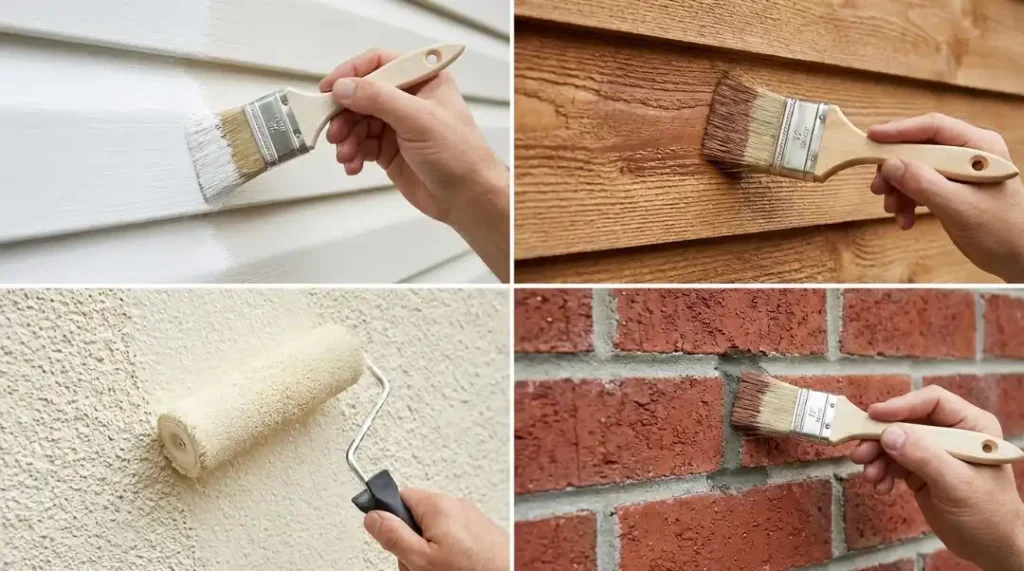
Different siding materials require special preparation and paint products, which affect your total expense. Vinyl siding is the most cost-effective option to paint, typically adding $0.50 to $1 per square foot for prep work. Stucco requires caulking of cracks and may need texture matching, adding $1 to $2 per square foot.
Wood siding often needs extensive prep work including scraping, sanding, and priming. This can increase costs by $2 to $3 per square foot compared to vinyl. Fiber cement siding holds paint well but requires specific primers, adding about $1.50 per square foot.
Brick and masonry present unique challenges. Standard exterior paint traps moisture in porous brick, leading to peeling and damage. These surfaces require mineral-based or silicate paint that allows brick to breathe while changing color. This specialty paint costs $60 to $100 per gallon compared to $30 to $60 for standard exterior paint. Professional application is necessary, as these products aren’t DIY-friendly.
3. Labor Costs and Professional Painters
Labor represents 70 to 85 percent of your total painting budget. Professional painters charge based on square footage, hourly rates, or daily rates depending on your location and project complexity.
Current exterior painting rates across the United States range from $25 to $75 per hour for skilled painters. Per square foot pricing typically falls between $1.50 and $4, with some regions charging up to $6 for complex jobs. Day rates can reach $300 to $500 for experienced contractors.
The quality of workmanship directly correlates with pricing. Contractors bidding significantly below market rates often cut corners on prep work, use fewer coats, or employ inexperienced workers. A rushed job may look acceptable initially but can fail within 2 to 3 years instead of lasting 7 to 10 years with proper application.
When evaluating bids, ask about surface preparation methods, number of coats included, paint brand specifications, and warranty coverage. These details reveal whether you’re comparing equal services.
4. Paint Quality and Type of Paint
High quality paint costs more upfront but provides better coverage, durability, and longevity. Budget exterior paint sells for $25 to $40 per gallon and may require three coats for adequate coverage. Mid-grade paint ranges from $40 to $60 per gallon and usually needs two coats. Premium paint costs $60 to $100 per gallon but often covers in one or two coats with superior adhesion.
Your local climate determines which paint formulation works best. Homes in sunny regions benefit from UV-resistant paint that slows fading by up to 2 percent yearly. These specialty paints cost $10 to $20 more per gallon than standard formulas.
Cold climates require “cold set” paints and primers that cure properly in temperatures below 50°F. These products allow painting during shoulder seasons and ensure proper adhesion. Coastal areas need moisture-resistant formulations to combat humidity and salt air.
Paint sheen also affects durability and price. Flat and matte finishes hide imperfections but show dirt easily. Satin and eggshell sheens balance appearance with cleanability. Semi-gloss and gloss finishes cost slightly more but withstand weather exposure best, making them ideal for trim and doors.
5. Prep Work and Surface Preparation
Thorough prep work determines how long your paint job lasts. Skipping these steps saves money initially but leads to premature failure and costly repainting.
Power washing removes dirt, mildew, and loose paint. Professional pressure washing costs $0.15 to $0.75 per square foot. Scraping and sanding smooth rough surfaces and remove failing paint, adding $0.50 to $1.50 per square foot to labor costs.
Repairing damaged siding, filling cracks, and replacing rotted wood boards are essential before painting. Minor repairs cost $100 to $500, while extensive damage can add $1,000 to $3,000 to your budget. Caulking gaps around windows, doors, and trim prevents moisture intrusion and costs $1 to $3 per linear foot.
Priming bare wood, patched areas, and stained surfaces ensures paint adhesion and even color. Primer costs $20 to $40 per gallon and adds one application cycle to the timeline. Homes with extensive bare wood or color changes require full surface priming, which can add $500 to $1,500 to the project cost.
6. Number of Coats Required
Most exterior paint jobs require two coats for optimal coverage and durability. The first coat seals the surface and provides a base, while the second coat delivers true color and weather protection.
Dramatic color changes, especially from dark to light shades, often need three coats. This increases material costs by 50 percent and adds 1 to 2 days of labor. Painting over previously unpainted surfaces like new siding requires primer plus two finish coats.
Some premium paints offer “paint and primer in one” formulations. These products work well over surfaces in good condition but don’t replace true primer on bare wood or problem areas. Read manufacturer specifications carefully and discuss coating requirements with your contractor.
7. Trim, Doors, and Accent Work
Painting trim, shutters, doors, and decorative elements adds complexity and cost beyond basic siding coverage. These features require different paint types, careful masking, and detailed brush work.
Trim painting costs $1 to $3 per linear foot depending on detail level. A typical home has 200 to 400 linear feet of trim, adding $200 to $1,200 to the total. Door painting ranges from $50 to $150 per door for standard application or $200 to $400 for stripping and refinishing wood doors.
Shutters cost $25 to $75 per pair to paint in place or $50 to $150 per pair if removed for proper coverage. Garage doors require $100 to $300 depending on size and panel detail. Accent colors and contrasting trim add visual interest but increase labor time by 10 to 20 percent.
8. Geographic Location and Seasonal Timing
Your location significantly impacts both material and labor rates. Urban areas with higher costs of living see exterior painting rates of $3 to $6 per square foot, while rural regions average $1.50 to $3 per square foot. Coastal communities often pay premium rates due to weather challenges and specialized paint requirements.
Project timing affects availability and pricing. Spring and summer represent peak painting season when demand is highest. Contractors may charge premium rates and have limited availability. Fall often offers better pricing as demand decreases, though weather windows narrow. Winter painting requires specialty products and favorable weather conditions but can yield significant discounts in mild climates.
Planning your exterior house painting project during shoulder seasons can save 10 to 20 percent on labor costs while still providing ideal application conditions in many regions.
You may also want to read this: How Much Does It Cost To Paint a House Exterior?
How to Save Money on Exterior House Painting
Reducing costs doesn’t mean sacrificing quality. Smart planning and selective DIY work can lower your total expense without compromising results.
Handle prep work yourself if you’re physically able and have time. Power washing, minor scraping, and caulking are learnable skills that can save $500 to $2,000 on a typical project. Leave complex repairs and actual painting to professionals who have proper equipment and experience.
Get at least three detailed bids from licensed, insured contractors. Compare included services, paint specifications, and warranties rather than just total price. The lowest bid often excludes crucial prep work or uses inferior materials.
Buy your own paint if contractors allow it. This eliminates their markup on materials, typically 20 to 40 percent. However, ensure you purchase exactly what the contractor specifies to avoid compatibility or coverage issues.
Paint only what needs attention. If three sides of your home look good, repainting just the weathered south and west faces cuts costs in half while refreshing curb appeal. Touch up trim separately in following years to spread expenses.
Schedule during off-peak seasons when contractors offer better rates and more flexible timelines. October through early December works well in many climates before winter weather arrives.
Choose lighter colors similar to existing shades. These require fewer coats and less prep work than dramatic color changes. Lighter colors also reflect heat, potentially reducing cooling costs in warm climates.
Conclusion
Understanding these exterior house painting cost factors helps you budget accurately and make informed decisions for your home improvement project. The average homeowner spends $3,000 to $7,000 for professional exterior painting, though your actual cost depends on home size, siding material, paint quality, and local labor rates.
Quality matters more than cutting corners. Investing in proper prep work, high quality paint, and experienced contractors ensures your paint job lasts 7 to 10 years instead of failing within 3 to 4 years. This approach provides better long-term value and protects your largest investment.
For homeowners in Southern California seeking professional results, San Diego Custom Painting offers comprehensive exterior painting services in San Diego with transparent pricing and quality workmanship. Our team helps you select the right products for your climate and budget while delivering lasting results that enhance your home’s appearance and value.
FAQs About Exterior House Painting Cost Factors
What is the average cost to paint the exterior of a house?
The average cost ranges from $1.50 to $4 per square foot, with most homeowners spending $3,000 to $7,000 for complete exterior painting. A 1,500 square foot home typically costs $2,500 to $4,500, while a 2,500 square foot home runs $4,000 to $8,000. Location, siding type, and paint quality significantly impact final pricing.
How much does siding type affect painting costs?
Siding material substantially impacts your budget. Vinyl is the most affordable to paint, while brick requires specialty mineral-based paint costing $60 to $100 per gallon versus $30 to $60 for standard paint. Wood siding needs extensive prep work adding $2 to $3 per square foot, and stucco requires crack repair and caulking.
What percentage of painting costs goes to labor?
Labor typically represents 70 to 85 percent of total project cost. Professional painters charge $25 to $75 per hour or $1.50 to $6 per square foot depending on your region. Quality contractors invest time in proper surface preparation, which determines paint longevity and appearance.
How many coats of paint does an exterior need?
Most homes need two coats for proper coverage and durability. Primer plus two finish coats work best for bare wood or dramatic color changes. High quality paints may cover in one coat over well-maintained surfaces in similar colors, but two coats ensure even appearance and maximum weather protection.
Does climate affect exterior paint selection and cost?
Climate directly influences paint choice and longevity. UV-resistant formulations cost $10 to $20 more per gallon but slow fading in sunny regions. Cold-climate homes need specialty “cold set” paints for proper curing below 50°F. Coastal areas require moisture-resistant products to combat humidity and salt exposure.
Can I save money by doing exterior painting myself?
DIY painting can save 70 to 85 percent on labor costs, potentially $2,000 to $5,000 on an average home. However, professional results require proper equipment, safety gear for multi-story work, and experience with surface preparation. Most homeowners achieve better value by handling prep work themselves while hiring professionals for actual painting.
When is the best time to paint a house exterior?
Spring and fall offer ideal temperatures between 50°F and 85°F for most paints. However, these peak seasons see higher contractor rates due to demand. Late summer and early fall often provide the best balance of favorable weather and competitive pricing. Winter painting is possible in mild climates using specialty products.
How long does exterior paint typically last?
Quality exterior paint lasts 7 to 10 years with proper application and maintenance. Budget paint may fail within 3 to 5 years. Longevity depends on paint quality, surface preparation, number of coats, climate exposure, and siding material. South and west-facing walls typically need repainting sooner due to sun exposure.