

Most people never look up when designing a room. But your ceiling holds massive potential to transform any space. Black ceiling paint might seem bold or even risky, but it’s actually one of the smartest moves you can make when used correctly. This design choice can fix architectural problems, create stunning visual effects, and even save you money on renovations.
Here’s the truth: painting your ceiling black works beautifully in specific situations. High ceilings that feel cold? Black brings them down to earth. Want to hide ugly pipes or stains? A dark ceiling makes them disappear. This guide shows you exactly when black paint makes sense for your space, which rooms benefit most, and how to avoid costly mistakes.
Table of Contents
ToggleQuick Answer: When to Use Black Ceiling Paint
Black is the right choice if your ceilings are over 10 feet tall or if you have an industrial-style basement. It works perfectly in rooms with lots of natural light and beautiful crown molding. Use it to hide messy pipes, make a large room feel cozy, or add a luxury feel to a home theater.

Understanding the Fifth Wall Concept
Your ceiling is often called the fifth wall, yet it rarely gets the attention it deserves. While most homeowners stick with standard white, black ceilings create depth and character that white simply cannot achieve. The key is knowing when this dramatic choice enhances your space rather than overwhelming it.
Black painted ceilings work best in rooms with specific characteristics. Natural light plays a huge role. Ceiling height matters significantly. The room’s purpose determines whether a dark ceiling helps or hurts the overall design.
Table of Contents
If You Have High Ceilings but Want a Cozy Space
Tall ceilings look impressive but often feel cold and uninviting. Rooms with 10-foot or higher ceilings can seem more like galleries than living spaces. Black ceiling paint solves this problem by visually lowering the ceiling height without any construction work.
The science behind this is simple. Dark colors recede while light colors advance. When you paint a ceiling black, your brain perceives it as closer than it actually is. This creates an intimate, enveloping feel that makes large rooms comfortable.
Benjamin Moore Midnight (2131-20) works perfectly for this purpose. This soft black has subtle warmth that prevents the space from feeling too heavy. For basements with black ceilings, this color adds sophistication while maintaining a welcoming atmosphere.
Cathedral ceilings and barrel-vault designs benefit enormously from this treatment. The dramatic architecture remains visible, but the space feels more balanced. Living rooms with soaring ceilings become cozy gathering spots instead of echoing caverns.
If You Want Something Special in Your Design
Black ceilings create instant drama and serve as statement pieces that guests always notice. This bold choice transforms ordinary rooms into memorable spaces with minimal investment.
Think of a black ceiling as an area rug placed overhead. It defines zones in open floor plans without adding walls or furniture. Modern homes with flowing layouts use this technique to create visual boundaries while maintaining openness.
Dining rooms gain elegance and sophistication with black ceilings. The dark overhead surface makes chandeliers and pendant lights pop dramatically. Gold, brass, and copper fixtures shine brilliantly against this backdrop.
Bedrooms become personal retreats when you paint the ceiling black. The enveloping feeling promotes relaxation and better sleep. Pair it with lighter walls to maintain brightness while creating that cocoon effect.
Home theaters benefit most from this treatment. Black ceilings eliminate glare and reflection, making screen viewing more immersive. Sherwin Williams Caviar (SW6990) provides the perfect depth for media rooms.
If Your Space Has Geometric Designs
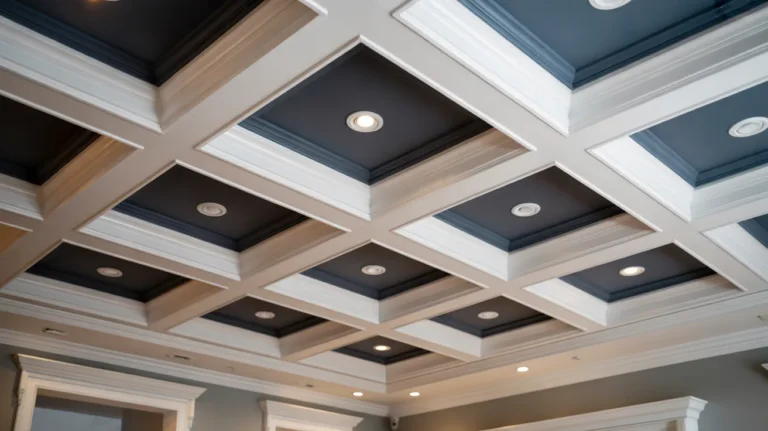
Architectural details deserve to be showcased, not hidden. Black ceiling paint makes coffered ceilings, crown molding, and decorative beams stand out like never before.
The contrast is what makes this work. Paint the recessed areas between beams black while keeping the beams themselves white or natural wood. This creates stunning geometric patterns that add visual interest and depth.
Beamed ceilings gain new life with this treatment. Instead of blending into the background, each structural element becomes a design feature. The three-dimensional quality of the ceiling becomes immediately apparent.
Crown molding and millwork details practically glow when surrounded by black paint. The crisp white or cream trim against dark ceilings creates sharp lines that draw the eye upward. This technique works beautifully in traditional and modern homes alike.
For spaces with exposed joists or industrial elements, painting everything black creates cohesive design. The raw materials become intentional features rather than unfinished eyesores.
If You Want to Hide Anything on the Ceiling
Basement ceiling painted black is perhaps the most practical application of this trend. Exposed pipes, ductwork, wiring, and structural elements disappear against a dark backdrop.
This solution costs far less than installing a drop ceiling. You skip the expense and hassle of framing and drywall while achieving a clean, finished look. Commercial spaces use this technique constantly because it’s both economical and attractive.
Best black paint for exposed basement ceiling includes options with excellent coverage. Sherwin Williams Tricorn Black (6258) provides rich, even color that hides imperfections effectively. Benjamin Moore Black (2132-10) offers similar coverage with slightly warmer undertones.
Stains and water marks become invisible on black ceilings. In older homes where ceiling discoloration is common, a dark color eliminates the need for endless spot treatments and repainting.
Industrial style enthusiasts love this approach. The utilitarian aesthetic celebrates rather than conceals structural elements. Rooms with black ceilings feel intentionally raw and urban.
How to Choose the Right Shade of Black
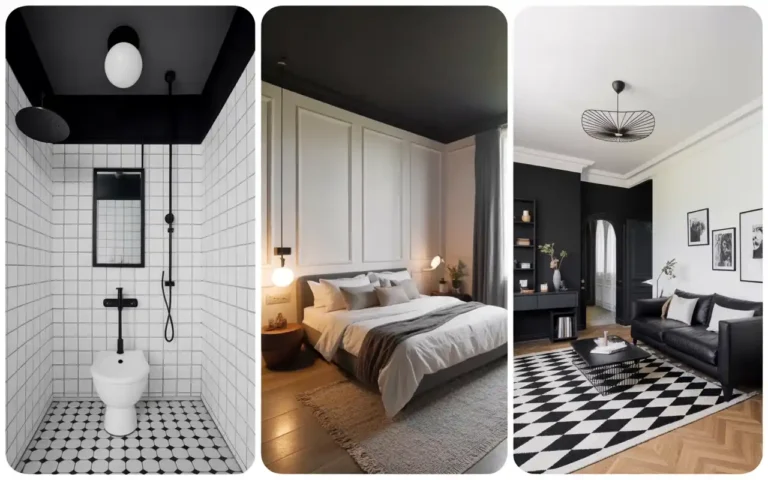
Not all black paint is the same. There are hundreds of options with different undertones. You must choose one that matches your room feel and existing decor.
- Warm Blacks: These have brown or red undertones. They feel very cozy and work well with wood floors. Look for Sherwin Williams Caviar (SW 6990).
- Cool Blacks: These have blue or gray undertones. They look crisp and modern. Benjamin Moore Onyx is a popular choice here.
- True Blacks: For a pure look, Tricorn Black (SW 6258) is a favorite among designers. It is neutral and goes with everything.
Check the Light Reflective Value (LRV) on the back of the paint chip. Most blacks have an LRV of 2 or 3. This means they reflect almost no light. If you want a softer look, choose a charcoal or “off-black” like Iron Ore.
Understanding Finishes and Sheen
The finish you choose for your black ceiling paint is very important. Most experts suggest a flat or matte finish. These finishes do not reflect light, so they hide bumps and imperfections on the ceiling.
A satin or eggshell finish has a slight shine. This can look good if your ceiling is perfectly smooth. However, any shine will show every small crack or patch job. For rooms with black ceiling designs, stick to matte to keep the focus on the color, not the flaws.
Practical Tips for Painting Your Ceiling Black
Success depends on proper preparation and technique. Rushing through this project leads to visible flaws that dark paint colors mercilessly expose.
Start with thorough surface prep. Fill cracks and holes completely. Sand everything smooth. Any imperfection shows clearly on black ceilings, so invest time here.
Use tinted primer in gray or dark brown. This crucial step prevents the original ceiling color from showing through. Two coats of primer ensure even coverage and reduce the number of finish coats needed.
Choose high-quality paint specifically formulated for ceilings. Cheap paint requires extra coats and still looks thin. Premium formulas from Benjamin Moore and Sherwin Williams provide rich, even color with fewer applications.
Flat or matte finishes hide ceiling imperfections best. Satin and eggshell finishes add subtle sheen but show every flaw. Save glossy finishes for trim and walls, never ceilings.
Work in sections with a roller and extension pole. Maintain wet edges to avoid lap marks. Black paint shows uneven application more than any other color, so work methodically.
Plan for adequate ventilation. Dark paints often contain higher pigment concentrations that create stronger odors. Open windows and use fans throughout the process.
The Truth About Maintenance
One thing most people forget is that black ceilings show dust. Spider webs and dust bunnies stand out against a dark background. You will need to use a long-handled duster once a month.
Also, consider the natural light in your room. If you have no windows, a black ceiling might feel heavy. Ensure you have at least one large window or plenty of artificial light. This keeps the black paint from feeling overwhelming.
Common Mistakes to Avoid
Don’t skip the primer. This mistake costs more in wasted paint and labor than the primer itself costs. Dark colors absolutely require proper base preparation.
Avoid painting black ceilings in very small rooms without sufficient lighting. A tiny bathroom or closet can feel like a cave rather than cozy. Add extra light fixtures before committing to this design.
Never paint a black ceiling in rooms with low natural light unless you’re specifically creating a den or theater atmosphere. The darkness compounds, making the space uncomfortable for daily activities.
Don’t pair black ceilings with dark walls unless you want extreme drama. Most rooms benefit from lighter walls that provide contrast and prevent the space from closing in.
Skip trendy colors in favor of classic blacks. Fads fade quickly, and repainting ceilings is expensive. Benjamin Moore and Sherwin Williams classics remain beautiful for decades.
Budget Considerations and Professional Help
Painting a ceiling costs between $1.50 and $3.00 per square foot for professional application. A 12×15 room runs approximately $270 to $540 depending on complexity and local rates.
DIY saves money but requires proper equipment. Ceiling painting demands extension poles, quality rollers, and patience. Factor in primer, paint, tape, drop cloths, and tools when calculating costs.
Professional painters complete the job faster with better results. They have specialized equipment and experience that prevents common mistakes. For rooms with high ceilings or architectural details, professional help is worth the investment.
Paint costs vary by brand and quality. Expect to pay $45 to $75 per gallon for premium ceiling paint. Benjamin Moore and Sherwin Williams products cost more but provide superior coverage and longevity.
Get Started on Your Black Ceiling Paint Project
Ready to transform your space with dramatic ceiling design? San Diego Custom Painting specializes in bold interior painting services in San Diego that bring your vision to life. Our team understands the nuances of working with dark colors and architectural details.
We help you select the perfect shade, prepare surfaces properly, and execute flawlessly. Whether you’re tackling one room or your entire home, our experience ensures stunning results that last for years.
Contact us today for a free consultation and estimate. Let’s discuss your project and determine if black ceiling paint is the right choice for your space.
FAQs About Black Ceiling Paint
Will a black ceiling make my room feel smaller?
Not necessarily. Black ceilings actually make rooms feel larger horizontally while creating coziness vertically. The effect depends on natural light, room size, and wall colors.
What’s the best finish for black ceilings?
Flat or matte finishes work best. They hide imperfections and prevent glare. Satin finishes add subtle elegance but show flaws more readily.
Can I paint a black ceiling in a rental property?
Check your lease agreement first. Black ceilings are easily reversible with white paint, but landlords may have restrictions on dramatic color choices.
How many coats of black paint do I need?
Typically two to three coats over proper primer. High-quality paint reduces the number needed. Never skip primer when painting ceilings black.
Do black ceilings work in kitchens?
Yes, especially in kitchens with high ceilings. The dark color adds balance and makes pendant lights over islands look spectacular. Ensure adequate lighting throughout the space.
Will black ceiling paint show dirt and dust?
Dust shows on any ceiling color. Black hides stains and discoloration better than white but requires regular dusting just like any other surface.
What lighting works best with black ceilings?
Statement chandeliers, pendant lights, and recessed fixtures all work beautifully. Layer ambient, task, and accent lighting for best results. Metallic finishes shine brilliantly against dark backgrounds.