How Much Does it Cost to Paint Interior of House? [2026 Data]

Planning a fresh look for your home? You’re not alone. Thousands of homeowners face the same question every year: what’s the real cost to paint interior of house spaces? The confusion is real. One quote says $3,000, another says $8,000 for the same project.
Here’s the truth: the average cost to paint an interior house in 2026 ranges from $1,800 to $12,000 for most homes. A typical 2,000 square foot home costs between $4,200 and $9,500. But your actual price depends on room size, paint quality, wall condition, and whether you hire professionals. This guide breaks down every cost factor with real 2026 pricing data to help you budget accurately.
Table of Contents
ToggleWhat is the Average Cost to Paint Interior of House in 2026?
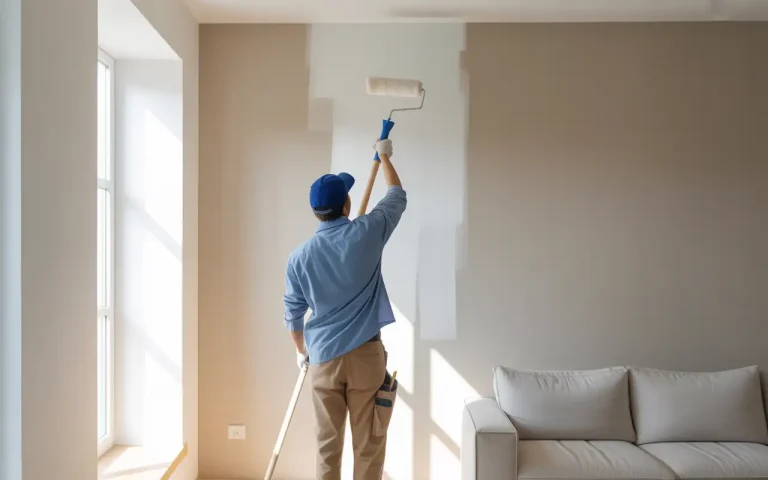
The national average sits at $6,850 for a complete interior paint job. However, this number shifts based on your location and project scope. Urban areas like San Diego, Los Angeles, and New York see higher rates due to increased labor costs. Rural regions typically charge 20-30% less.
Most professional painters charge between $2 and $6 per square foot for basic wall painting. When you add ceilings, trim, and doors, expect $3.50 to $7 per square foot. These rates include labor, materials, and basic prep work.
Small apartments (500-800 sq ft) cost $1,500 to $3,200. Medium homes (1,500-2,000 sq ft) run $4,000 to $10,000. Larger properties (3,000+ sq ft) can exceed $15,000 depending on complexity.
Interior Painting Cost Per Square Foot
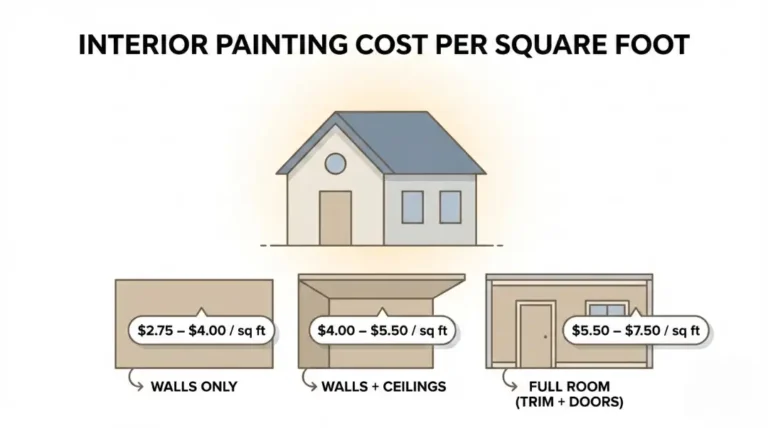
The painting rate per square feet varies widely across the country. Here’s what you can expect in 2026:
- Walls only: $1.50 to $3.50 per square foot
- Walls and ceilings: $2.50 to $5 per square foot
- Complete package (walls, ceilings, trim, doors): $3.50 to $7 per square foot
These rates change based on several factors. High ceilings add $0.75 to $1.25 per square foot. Textured walls increase costs by 15-25%. If your walls need extensive prep work like patching holes or fixing cracks, add another $0.50 to $1.50 per square foot.
The painting labor cost per square foot alone ranges from $1 to $3. Materials account for another $0.75 to $2.50 per square foot. Professional painters in San Diego typically charge $2.25 to $4.50 per square foot for labor, reflecting California’s higher cost of living.
Cost to Paint a 1500 Square Foot Interior
A 1,500 square foot home represents the average American residence. The total cost breaks down like this:
- Budget option: $2,400 to $4,000
- Mid-range quality: $4,500 to $7,200
- Premium finish: $7,500 to $10,500
The budget option uses basic latex paint with minimal prep work. You get one coat on walls only, standard colors, and basic surface cleaning. This works fine for rental properties or quick refreshes.
Mid-range projects include quality paint brands like Sherwin Williams or Benjamin Moore. You get two coats on all surfaces, proper prep work, and trim painting. Most homeowners choose this tier for the best value.
Premium services offer specialty paints, detailed surface repair, crown molding treatment, and meticulous finishing. The results last longer and look noticeably better.
Cost to Paint Specific Areas of a Home
Breaking down costs by room helps you prioritize your budget. Here’s what different spaces cost in 2026:
Bedrooms
- Small (10×10): $300 to $650
- Medium (12×14): $450 to $850
- Large (14×16): $550 to $1,100
Bedrooms are straightforward to paint. The basic box shape means fewer corners and edges. Most rooms take 6-10 hours of labor.
Living Rooms
- Standard living room: $600 to $1,200
- Large open concept: $900 to $1,800
Living rooms cost more due to size and features. Open floor plans, built-in shelving, and accent walls increase complexity. High ceilings can add $200 to $400 to the base price.
Kitchens
- Basic kitchen: $500 to $1,000
- Kitchen with cabinets: $1,200 to $2,500
Kitchen painting takes extra time. Painters work around appliances, backsplashes, and cabinets. If you’re painting cabinets too, expect to pay $30 to $100 per cabinet door.
Bathrooms
- Half bath: $200 to $400
- Full bathroom: $350 to $700
Bathrooms need moisture-resistant paint, which costs $5 to $10 more per gallon. The small space means less material but more detailed work around fixtures.
Hallways and Stairs
- Hallway (per 10 linear feet): $150 to $300
- Stairwell: $400 to $900
Stairwells pose safety challenges. Painters need special equipment to reach high walls, increasing labor time and costs.
How Much Does It Cost to Paint an Entire House Interior?
Whole-house projects offer better value than room-by-room painting. Here are complete interior costs by home size:
- 1,000 sq ft: $2,200 to $5,000
- 1,500 sq ft: $3,300 to $7,500
- 2,000 sq ft: $4,400 to $10,000
- 2,500 sq ft: $5,500 to $12,500
- 3,000 sq ft: $6,600 to $15,000
These estimates assume standard 8-9 foot ceilings, good wall condition, and mid-grade paint. Vaulted ceilings, extensive damage repair, or premium materials push costs higher.
The going rate to paint the interior of house spaces improves with larger projects. Contractors often discount 10-15% for whole-house jobs versus individual rooms.
Additional Costs To Consider
Beyond basic painting, several extras affect your final bill:
Surface Preparation
- Wall washing: $0.25 to $0.50 per sq ft
- Hole patching: $50 to $150 per room
- Drywall repair: $75 to $300 per room
- Sanding and smoothing: $1 to $2 per sq ft
Proper prep work makes or breaks paint jobs. Skip it, and you’ll see peeling within months.
Materials and Supplies
- Quality paint: $30 to $75 per gallon
- Primer: $20 to $40 per gallon
- Drop cloths, tape, supplies: $100 to $300 per project
Each gallon covers 300 to 400 square feet. Most projects need two coats, so calculate accordingly.
Special Treatments
- Textured wall removal: $1 to $3 per sq ft
- Mold treatment: $200 to $800
- Lead paint testing and removal: $300 to $1,500
Older homes may require these services before painting can begin.
Moving and Protection
- Furniture moving: $50 to $500
- Floor protection: $50 to $150
- Fixture removal and reinstallation: $100 to $400
Some painters include basic furniture moving. Others charge extra or require homeowners to clear rooms.
What Factors Affect the Interior House Painting Cost?
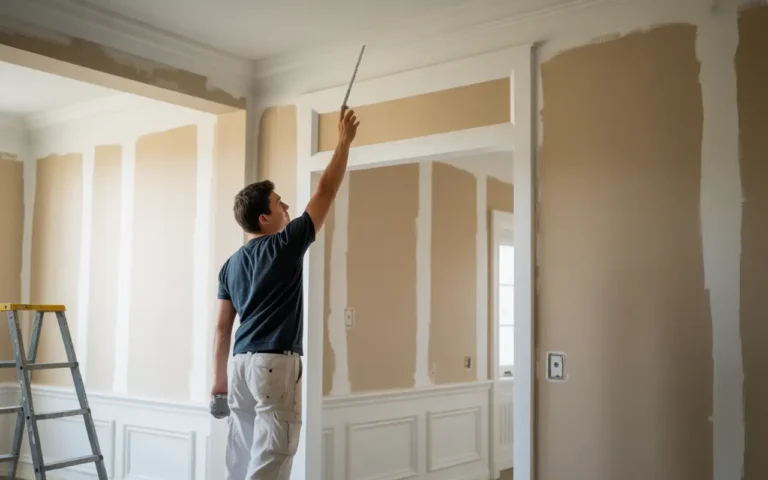
Understanding cost drivers helps you budget accurately and find savings.
Room Size and Square Footage
Larger spaces need more paint and labor. Painters measure total square footage to calculate material needs. Complex layouts with many corners and angles take longer than simple rectangular rooms.
Paint Quality and Type
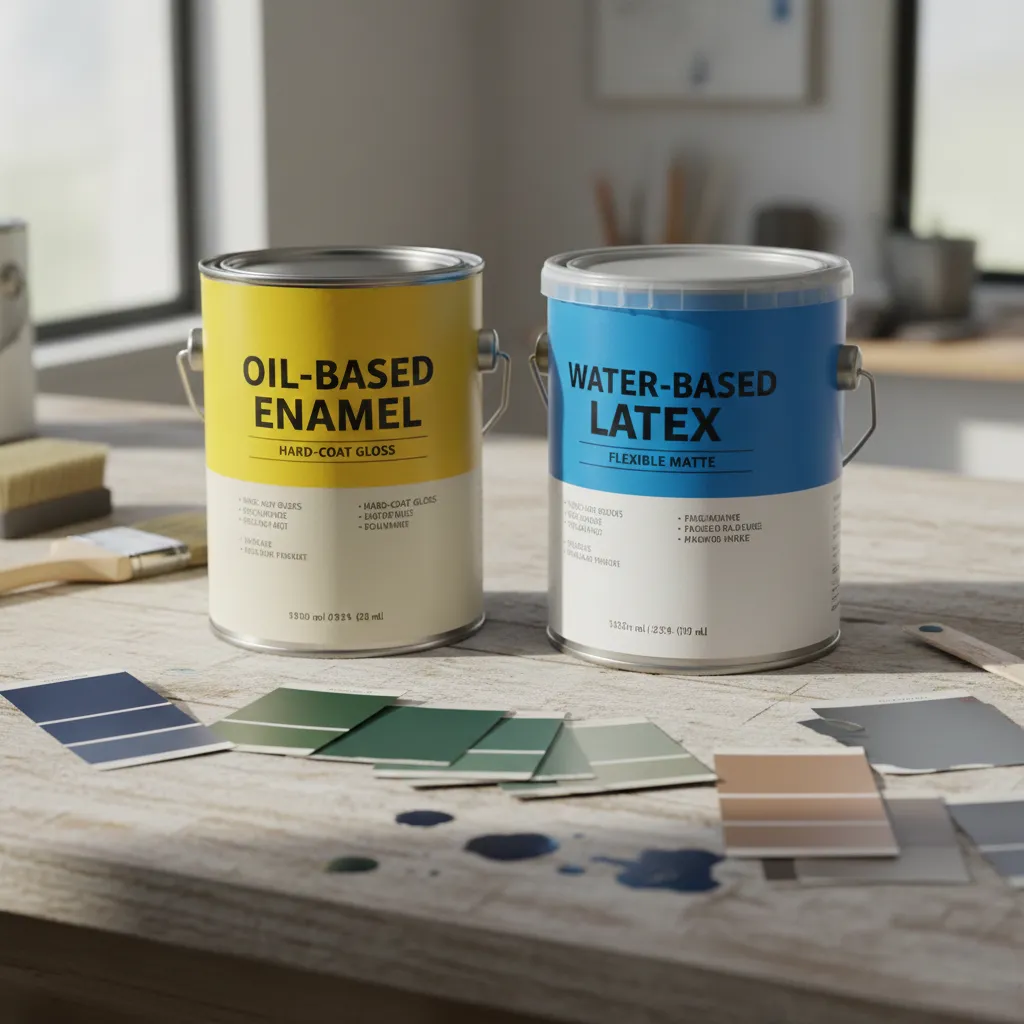
Budget latex paint costs $20 to $35 per gallon. Premium brands like Benjamin Moore Aura or Sherwin Williams Emerald run $50 to $80 per gallon. Quality paint covers better, lasts longer, and looks richer.
Specialty paints add cost:
- Mold-resistant bathroom paint: +$10 to $15 per gallon
- High-durability kitchen paint: +$8 to $12 per gallon
- Low-VOC or zero-VOC paint: +$5 to $10 per gallon
Wall Condition
Smooth, well-maintained walls cost less to paint. Damaged surfaces need repair. Textured walls require more paint and slower application. Glossy surfaces need sanding and priming before new paint adheres.
Ceiling Height
Standard 8-foot ceilings keep costs low. Ten-foot ceilings add 15-25% to labor costs. Cathedral or vaulted ceilings can double painting time due to equipment needs and safety precautions.
Trim and Detail Work
Baseboards, crown molding, door frames, and window trim require careful brush work. Intricate woodwork in older homes adds hours of labor. Painting trim costs $1 to $4 per linear foot.
Color Changes
Light to light color changes need two coats. Dark to light transformations often require three coats plus primer. Bold colors may need specialty base paints.
Regional Labor Costs
California, New York, and Massachusetts have the highest painting labor cost per square foot at $2.50 to $4.50. Midwest and Southern states average $1.50 to $3 per square foot. House painters near San Diego charge premium rates due to local market conditions.
How to Save Money on Interior Painting
Smart planning cuts costs without sacrificing quality. Here are proven strategies:
Do Your Own Prep Work: Save $300 to $800 by handling preparation yourself. Wash walls, move furniture, remove outlet covers, and apply painter’s tape. This reduces labor hours significantly.
Purchase Paint During Sales: Big box stores run paint sales quarterly. Buy during Memorial Day, Fourth of July, or Labor Day weekends to save 20-40%. Stock up on quality paint at discount prices.
Paint During Off-Season: Interior painting rates drop 15-25% between November and February. Contractors offer better deals when exterior work slows down. You’ll get faster scheduling too.
Choosing Mid-Grade Paint: Premium paint isn’t always necessary. Mid-grade options from Behr, Valspar, or PPG perform well in most rooms. Save $15 to $30 per gallon without compromising durability.
Focus on High Traffic Areas First: Paint living rooms, kitchens, and hallways first. These spaces show wear fastest. Save bedrooms and offices for later if the budget is tight.
Get Multiple Quotes: Request estimates from three to five contractors. Compare scope, materials, and timeline. The lowest bid isn’t always best, but competition drives fair pricing.
Combine Related Projects: Bundle painting with other home improvements. Contractors often discount combined work. Paint after flooring installation or before moving furniture back.
Use Leftover Paint Strategically: Keep extra paint for touch-ups later. Use it in closets or storage areas where color matching matters less. This reduces waste and future costs.
Skip Unnecessary Add-Ons: You don’t always need ceiling painting. White ceilings in good condition often stay fresh between wall paint jobs. Ask what you can reasonably skip.
Professional vs DIY Interior Painting Costs
Many homeowners consider DIY to save money. Here’s the real comparison:
DIY Costs: Paint and primer: $200 to $600 Tools and supplies: $100 to $300 Equipment rental: $50 to $150 Time investment: 30-60 hours for average home Total: $350 to $1,050 plus your time
DIY Advantages
- Lower material costs
- Work at your own pace
- Full control over process
- Satisfaction of completing project
DIY Disadvantages
- Time-consuming (weekends for weeks)
- Physical strain and fatigue
- Potential for mistakes and waste
- Need to buy or rent equipment
- Results may lack professional finish
- No warranty on work
Professional Costs: Complete interior painting services: $2,000 to $10,000 Includes labor, materials, insurance, warranty Time investment: 2-5 days typically
Professional Advantages
- Expert surface preparation
- Smooth, even application
- Efficient completion
- Proper equipment and techniques
- Warranty coverage (usually 1-2 years)
- No physical effort required
- Better long-term durability
Professional Disadvantages
- Higher upfront cost
- Need to schedule and coordinate
- Strangers in your home
- Less personal connection to project
For most homeowners, professional painters offer better value. Estimating interior painting costs properly reveals that DIY rarely saves as much as expected. Mistakes, wasted paint, and time off work often exceed professional fees.
However, DIY makes sense for small projects like single rooms, homeowners with painting experience, or those with tight budgets and flexible schedules.
Should You Hire an Expert Estimator for Your Interior Painting Project?
Most painting contractors provide free estimates. They assess your project, measure square footage, evaluate wall condition, and provide detailed quotes. This service costs nothing and helps you compare options.
Professional estimates include:
- Detailed scope of work
- Paint brand and color recommendations
- Labor and material costs breakdown
- Project timeline
- Payment schedule
- Warranty information
Request written estimates from multiple contractors. Compare apples to apples by ensuring each quote covers identical work. Ask about:
- Number of coats included
- Prep work specifics
- Paint quality and brand
- Coverage of trim, doors, ceilings
- Cleanup and disposal
- Timeline and crew size
Red flags include vague quotes without details, pressure to decide immediately, requests for large deposits, no insurance documentation, or prices far below competitors.
Trust SD Custom Painting With Painting Your Home
Quality interior painting services in San Diego require local expertise and proven results. San Diego Custom Painting brings 27+ years of experience to every project. Our team understands California building codes, climate considerations, and local style preferences.
We provide transparent pricing with detailed estimates. You’ll know exactly what you’re paying for before work begins. Our professional painters use premium materials and proven techniques to deliver lasting results.
From color consultation to final cleanup, we handle every detail. Our process includes thorough surface preparation, precise application, and complete cleanup. We protect your floors and furniture with drop cloths and careful handling.
Customer satisfaction drives everything we do. We back our work with solid warranties and responsive service. When you choose us, you’re choosing peace of mind.
What is the Cost to Paint the Interior of a House Conclusion
Understanding the price to paint interior of house spaces helps you plan effectively. The average project costs $4,000 to $10,000, but your specific needs determine final pricing. Square footage, paint quality, wall condition, and labor costs all factor into estimates.
Smart planning saves money without cutting corners. Do prep work yourself, shop sales, and paint during off-season months. Focus spending on high traffic areas and quality paint where it matters most.
Professional painters deliver results that last. They bring expertise, efficiency, and warranties that DIY projects can’t match. For most homeowners, hiring experts proves more cost-effective than doing it yourself.
Get multiple quotes, ask detailed questions, and choose contractors carefully. Your home deserves quality work from trustworthy professionals. Start planning your interior painting project today with realistic budget expectations and clear goals.
Interior Painting FAQs
How do I calculate interior painting costs accurately?
Measure your total square footage by multiplying room length times width. Add 20% for waste and touch-ups. Multiply by local painting rates ($2-6 per sq ft). Include prep work, materials, and additional services like trim painting. Request professional estimates for exact pricing.
What type of paint should I use for interior walls?
Latex paint works best for most interior walls. It’s easy to clean, has a low odor, and dries quickly. Choose satin or eggshell finishes for living areas. Use semi-gloss in kitchens and bathrooms for moisture resistance. Flat paint works well for low-traffic bedrooms and ceilings.
How long does interior painting take?
Single rooms take 1-2 days including drying time. Average homes (1,500-2,000 sq ft) need 3-5 days. Larger homes may take 1-2 weeks. Timeline depends on room count, prep work needed, and crew size. Weather doesn’t affect interior projects like exterior work.
Do painters include paint in their quotes?
Most professional painters include paint in their estimates. Some offer options to supply your own paint for a reduced rate. Always clarify what’s included before signing contracts. Quality contractors specify paint brands and types in written quotes.
When is the best time to paint interior rooms?
Any time works for interior painting since weather doesn’t matter. However, November through February offers lower rates when contractors have less exterior work. Spring and summer stay busy with higher prices. Book early for peak season projects.
How often should I repaint interior walls?
High traffic areas need repainting every 3-5 years. Bedrooms and offices last 5-7 years. Quality paint, proper prep work, and good ventilation extend paint life. Repaint when you notice fading, stains, or damage that cleaning can’t fix.
What preparation is needed before painting?
Remove furniture or move it to the room center. Clean walls to remove dust and grease. Patch holes and cracks with spackles. Sand rough spots smooth. Apply primer to bare drywall or major color changes. Protect floors with drop cloths. Remove switch plates and outlet covers.

Mark Sullivan
Mark Sullivan is a seasoned expert in the residential and commercial painting industry, with over 27 years of experience transforming homes across San Diego. His deep understanding of color, finishes, and surface preparation allows him to deliver exceptional results on every project. Mark is passionate about sharing practical painting advice, maintenance tips, and design insights that help homeowners make confident decisions. His expertise and dedication to quality are reflected in every article he contributes to the San Diego Custom Painting blog.
Related Article
- All Posts
- Cabinet Painting
- Home Painting
- Home Remodeling