
To get the most out of your outdoor space, you need a surface that looks good and stays safe. It is frustrating to see your wood turn gray or start to splinter after just one winter. You want a finish that lasts for years without peeling or fading. Finding what is the best deck paint can feel like a big task because there are too many cans on the shelf. This guide will show you the top choices for every type of wood and climate. You will learn how to pick a product that fits your budget and your DIY skill level.
We will look at the top brands and the real costs of a project. You will find out which paints handle heavy foot traffic and which ones protect against hot sun. By the end of this post, you will know exactly which deck coating to buy. We will also share a secret test to see if your wood is even ready for paint. This helps you avoid wasting money on a job that won’t stick. Let’s start by looking at why paint is a great choice for your home.
Table of Contents
ToggleWhat Are the Benefits of Using Decking Paint?
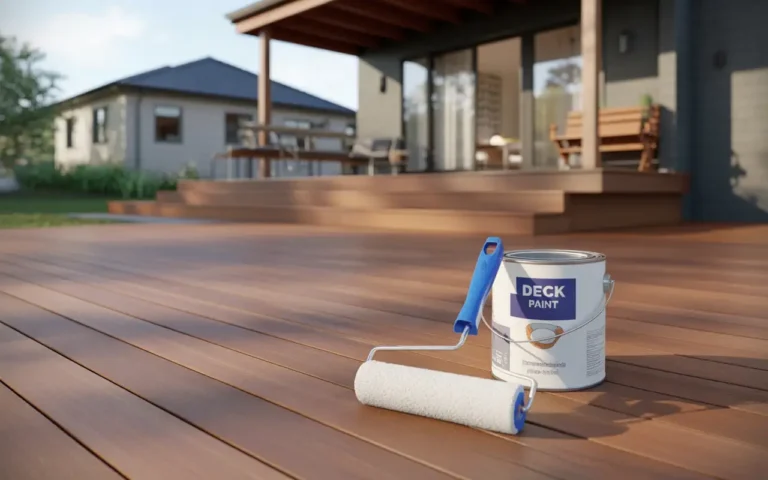
Deck paint does more than change color. It creates a protective barrier between your wood and the elements that slowly break it down.
- Weather Protection: Quality deck coating shields wood from moisture that causes rot and warping. UV rays fade unprotected wood and make it brittle. Rain seeps into cracks and expands when it freezes. Good paint blocks these threats and extends your deck’s life by years.
- Safety Enhancement: Textured deck paint adds grip to surfaces that become slippery when wet. This matters especially around pools or in regions with frequent rain. The slip-resistant finish reduces fall risks for children, elderly family members, and guests.
- Aesthetic Transformation: A fresh coat of paint updates your outdoor space instantly. Modern colors can match your home’s exterior or create contrast. Paint also covers stains, discoloration, and minor damage that accumulate over years of use.
- Cost Savings: Replacing a deck costs thousands. Painting costs hundreds. Regular maintenance with quality paint postpones expensive reconstruction and protects the underlying wood structure.
Types of Deck Paint
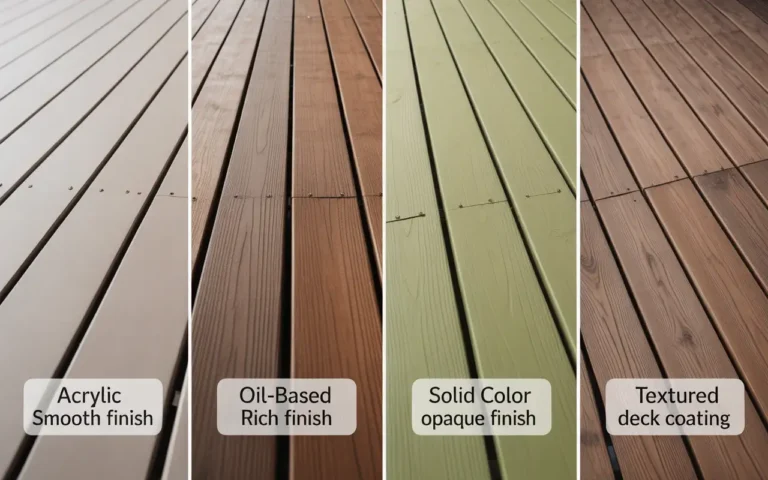
Understanding different paint formulations helps you match products to your deck’s needs and local climate.
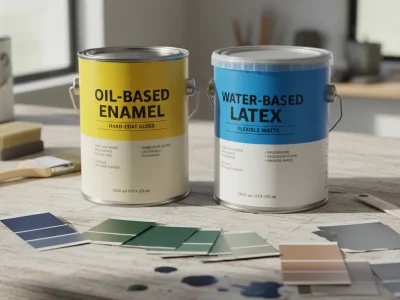
Oil-Based Deck Paint
These paints penetrate deep into wood fibers. They create a durable finish that handles moisture well and resists wear from heavy foot traffic. The rich color saturation looks great on older wood. However, oil-based paints take longer to dry (24-48 hours between coats) and require mineral spirits for cleanup. They work best in climates with harsh winters or frequent rain.
Acrylic Deck Paint
Water-based acrylic formulas dry faster than oil-based options. You can apply a second coat in 4-6 hours and walk on the surface within 24 hours. Cleanup requires only soap and water. These paints contain lower VOCs, making them better for air quality. They resist fading in bright sunlight and maintain color longer. Acrylic latex paint flexibility prevents cracking as wood expands and contracts with temperature changes.
Solid Color Deck Paint
This type provides complete coverage that hides all wood grain and imperfections. It offers maximum UV protection and creates a uniform appearance. Solid paint works well on old wooden decks with visible damage, stains, or multiple previous paint layers. The thick coating fills minor cracks and creates a smooth surface.
Semi-Transparent Deck Paint
These formulas let some wood grain show through while adding color and protection. They work best on newer decks or well-maintained wood where you want to highlight natural patterns. Semi-transparent options require more frequent reapplication than solid paints but offer easier touch-ups.
Textured Coating
High-build textured paint adds dimension while creating slip resistance. The thick formula can fill cracks up to 1/4 inch deep. This makes it ideal for deck resurfacing projects where you want to extend the life of damaged wood without replacing boards.
The Professional Prep: The Splash Test
Before you buy the top rated wood deck paint, you must test your wood. Professionals use the “Splash Test.” Take a glass of water and pour small bits on different parts of your deck. If the water beads up, your wood is sealed. Paint will not stick to it. You must sand the deck first. If the water soaks in quickly, your wood is thirsty. This means it is ready for a new coat. Using a moisture meter is even better. Your wood should have less than 15% moisture before you start painting.
Factors to Consider When Choosing a Deck Paint
Climate Conditions
Your local weather determines which paint performs best. Regions with intense sun need paints with strong UV blockers to prevent fading. Areas with heavy rainfall require excellent moisture resistance to stop water penetration. Cold climates benefit from paints that remain flexible during temperature swings.
Wood Type and Condition
Softwoods like pine absorb paint differently than hardwoods like oak. Weathered wood needs more preparation and may require primer. New wood often needs time to dry before painting. Composite decking requires specialized formulas that bond to synthetic materials.
Traffic Level
A deck used daily for outdoor dining needs more durable paint than one used occasionally. High-traffic areas benefit from abrasion-resistant formulas that withstand furniture movement and foot traffic without wearing through quickly.
Maintenance Commitment
Some paints need touch-ups every 1-2 years. Premium options can last 5-10 years with basic cleaning. Consider how much time you want to spend on maintenance when selecting a product.
Application Method
Most deck paints work with brushes, rollers, or sprayers. Thick textured coatings may require specific application tools. Check manufacturer recommendations before purchasing.
6 Best Brands for Deck Paint
1. Behr Premium Advanced DeckOver ($40-$55 per gallon):
This top rated wood deck paint excels at covering damaged surfaces. The thick formula fills cracks and creates a textured, slip-resistant finish. It comes in 54 colors and provides excellent weather resistance. One gallon covers approximately 75-100 square feet. Users praise its ability to transform old decks without replacing boards. The main drawback is limited color options compared to regular paint lines.
2. KILZ Over Armor Textured Wood Coating ($50-$65 per gallon):
This heavy-duty coating works on wood and concrete. It creates an extremely durable surface that resists peeling and fading. The textured finish provides superior grip in wet conditions. Coverage is about 50-75 square feet per gallon due to the thick application. This product works well for badly weathered surfaces but requires thorough surface preparation.
3. Rust-Oleum RockSolid Deck Resurfacer ($45-$60 per gallon):
Known for longevity, this deck coating handles extreme weather conditions. It contains ceramic particles that create a tough, slip-resistant surface. The formula resists mold and mildew growth. One gallon covers 60-80 square feet. Professional painters recommend this for decks in harsh climates. The main consideration is a limited color palette of 6 options.
4. Sherwin-Williams SuperDeck ($35-$50 per gallon):
This line offers both solid and semi-transparent options. The acrylic latex formula provides excellent color retention and UV protection. It goes on smoothly and dries to a beautiful finish. Coverage reaches 200-300 square feet per gallon for smooth surfaces. Users appreciate the wide color selection and professional results. However, it performs better on newer or well-maintained decks than severely damaged ones.
5. Benjamin Moore ARBORCOAT ($45-$65 per gallon):
This premium option delivers outstanding durability and fade resistance. The advanced acrylic formula creates a breathable coating that prevents moisture trapped beneath the surface. Available in solid, semi-solid, and semi-transparent finishes. Coverage is 250-350 square feet per gallon. Professional contractors favor this brand for its consistent quality and long-lasting results.
6. Cabot Australian Timber Oil ($40-$55 per gallon):
While technically a penetrating oil finish, this product deserves mention for natural wood enhancement. It protects against UV damage and water while highlighting wood grain. The formula contains mildew inhibitors and wax for added protection. Coverage is 125-175 square feet per gallon. This works best for homeowners wanting a natural look rather than solid color coverage.
What Is the Best Textured Deck Paint?
Behr Premium Advanced DeckOver stands out as the best paint for decks when texture and durability matter most. The product specifically addresses common problems with aging decks. It fills splinters and smooths rough areas while creating a slip-resistant walking surface.
The formula thickness allows it to bridge gaps that thinner paints cannot cover. This means you can postpone board replacement and still achieve a fresh appearance. The textured finish becomes important in areas that get wet frequently. Around pools, under roof overhangs where condensation forms, or in rainy climates, the added grip prevents accidents.
KILZ Over Armor provides another excellent textured option. It creates an even thicker coating than Behr, though it requires more careful application. The product works on both wood and concrete, making it versatile for mixed-material decks or patios.
What Is the Best Deck Paint for Old Decks?
Old wooden decks need special attention. Years of sun exposure, moisture, and foot traffic create damage that shows through thin paint layers.
KILZ Over Armor Textured Coating performs best on old wooden deck surfaces. The thick formula fills deep cracks and covers extensive weathering. It bonds well to aged wood that has lost some structural integrity. The product essentially creates a new surface layer over damaged boards.
Rust-Oleum RockSolid offers another strong option for aged decks. Its ceramic-enhanced formula creates exceptional durability on compromised wood. The product resists peeling better than standard paints when applied to older surfaces.
Before painting old wood, proper preparation becomes critical. Clean thoroughly to remove dirt, mildew, and loose paint. Sand rough spots and hammer down protruding nails. Apply primer if bare wood shows through. These steps determine whether paint adheres properly and lasts for years or fails within months.
What Kind of Paint Lasts the Longest on a Deck?
Oil-based deck paints traditionally last longest because they penetrate deeply into wood fibers. This creates a strong bond that resists peeling and weathering. Products like Cabot Solid Color Decking Stain (an oil-based formula) can last 7-10 years with proper maintenance.
However, modern acrylic formulas now rival oil-based longevity. Benjamin Moore ARBORCOAT and Sherwin-Williams SuperDeck both achieve 5-7 year lifespans in moderate climates. These water-based options offer easier application and cleanup while delivering durability.
Paint longevity depends on several factors beyond formula type. Proper surface preparation accounts for 50% of how long paint lasts. Thorough cleaning, repairing damage, and applying primer when needed extends any paint’s life significantly. Climate also plays a major role. Extreme weather conditions shorten paint life regardless of brand or type.
Regular maintenance helps too. Sweeping debris weekly prevents moisture accumulation. Cleaning spills immediately stops staining. Touching up worn spots before they expose bare wood prevents water intrusion that damages the entire surface.
What Is the Average Cost of Deck Paint?
Good wood deck paint costs $35-$65 per gallon at most home improvement stores. Premium brands like Benjamin Moore ARBORCOAT run $45-$65 per gallon. Mid-range options like Behr and Sherwin-Williams cost $35-$50 per gallon. Budget products from store brands start around $25-$35 per gallon but may require additional coats.
Coverage varies significantly by product type and surface condition. Smooth, well-maintained decks absorb less paint. Expect 250-350 square feet per gallon for standard acrylic paints on smooth surfaces. Rough or weathered wood reduces coverage to 150-200 square feet per gallon. Thick textured coatings like KILZ Over Armor cover only 50-75 square feet per gallon.
A typical 300 square foot deck requires 2-3 gallons for two coats using standard paint. Total material cost runs $100-$180 for mid-range products. Add primer ($25-$40 per gallon), cleaning supplies ($20-$30), and application tools ($30-$50 for brushes and rollers). Complete DIY project cost reaches $175-$300 for materials.
Professional painting services in San Diego and other major markets charge $2-$5 per square foot for deck painting. This includes surface preparation, repairs, and two coats of quality paint. A 300 square foot deck costs $600-$1,500 professionally painted.
Deck Paint vs Stain: Which Should I Choose?
This common question deserves a clear explanation of each option’s strengths.
- Choose Deck Paint When: Your deck shows significant wear with cracks, stains, or discoloration. You want complete coverage that hides all imperfections. The wood grain holds no special visual appeal. You prefer solid colors that match your home’s exterior. Maximum protection from UV rays and moisture matters most.
- Choose Deck Stain When: The wood is in good condition with attractive grain patterns. You prefer a natural look over solid color. The deck is relatively new or well-maintained. You want easier reapplication every few years. Your climate is moderate without extreme weather conditions.
- Paint Advantages: Provides thicker protective layer. Hides all damage and discoloration. Offers unlimited color options. Lasts longer between applications. Creates a smoother, more finished appearance.
- Paint Disadvantages: Can peel if improperly applied. Hides wood’s natural beauty. Requires more surface preparation. Shows wear more obviously in high-traffic areas.
- Stain Advantages: Enhances natural wood grain. Easier to reapply without extensive prep. Less likely to peel. Maintains wood’s texture. Generally costs less per application.
- Stain Disadvantages: Provides less protection than paint. Needs more frequent reapplication. Won’t cover significant damage. Limited color options. Shows wood imperfections.
For most homeowners tackling older decks, the best paint for painting a deck offers superior coverage and protection compared to stain. The extra preparation time pays off with longer-lasting results and better appearance on damaged surfaces.
Bring Back the Charm of Your Deck with SD Custom Painting!
If this sounds like too much work, you can always call a pro. At San Diego Custom Painting, we know exactly what is the best deck paint for the local California sun. We offer professional exterior painting services in San Diego to make your home look its best. We handle all the sanding, cleaning, and painting for you. You can trust our team to give you a finish that lasts.
Conclusion
Selecting the right deck paint involves balancing durability, appearance, and budget. Oil-based paints offer maximum penetration and longevity. Acrylic formulas provide easier application and excellent color retention. Textured coatings work best for damaged surfaces needing extra coverage.
Top brands like Behr DeckOver, KILZ Over Armor, and Benjamin Moore ARBORCOAT deliver proven performance across different conditions and deck types. Expect to invest $35-$65 per gallon for quality products. Proper preparation and application technique matter as much as brand selection.
Consider your climate, wood condition, and maintenance preferences when making your final choice. A well-painted deck protects your investment and creates an inviting outdoor space for years to come.
Frequently Asked Questions
How long does deck paint typically last?
Quality deck paint lasts 5-7 years with proper application and maintenance. Oil-based formulas can reach 7-10 years. Textured coatings on high-traffic decks may need touch-ups after 3-5 years.
Can I paint over the old deck stain?
Yes, but proper preparation is essential. Clean the surface thoroughly and sand glossy areas. Apply a bonding primer before painting. Solid stains accept paint more easily than semi-transparent ones.
What temperature is best for painting a deck?
Paint when temperatures stay between 50-85°F with low humidity. Avoid painting in direct sunlight or when rain is forecast within 24 hours. Early morning or late afternoon provides ideal conditions.
Do I need a primer for deck painting?
Primer is recommended for bare wood, significant color changes, or when painting over stain. It improves adhesion and prevents tannin bleed-through. Many modern paints include primer but check product specifications.
How many coats of paint does a deck need?
Two coats provide adequate coverage and protection for most decks. Heavily weathered wood or dramatic color changes may require three coats. Allow proper drying time between coats per manufacturer instructions.