
You’ve noticed those hairline cracks spreading across your stucco walls. Water stains keep appearing after every rainstorm. Your exterior paint is peeling, and you’re tired of repainting every few years. These problems point to one solution that contractors and paint experts recommend: elastomeric paint. This thick, rubber-like coating has become the go-to choice for protecting concrete, stucco, and masonry surfaces from water damage and weather extremes. In this guide, you’ll learn what is elastomeric paint, how it works, when to use it, and whether it’s the right choice for your home.
Understanding this coating can save you thousands in repairs. We’ll break down the real costs, compare it to standard options, and show you exactly when elastomeric paint makes sense and when it doesn’t.
Table of Contents
ToggleWhat Is Elastomeric Paint and How Does It Work?
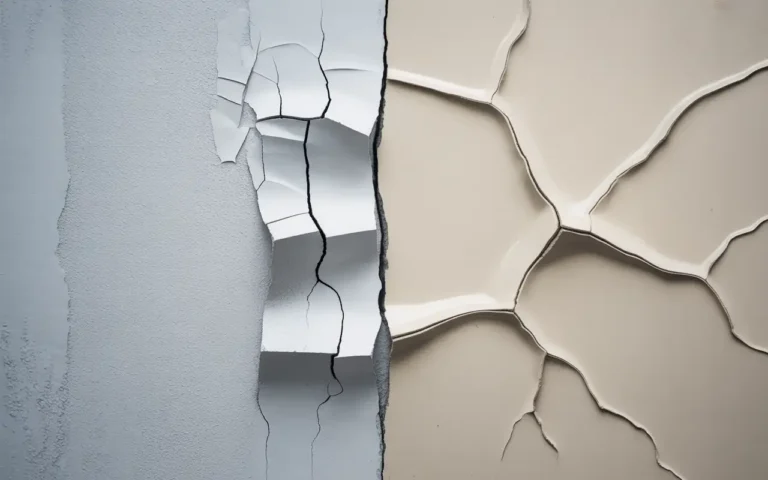
Elastomeric paint is a high-build exterior coating that stretches and flexes with your walls. Unlike regular paint that cracks under stress, this coating contains special polymers that let it expand and contract up to 600% of its original size without breaking.
The secret lies in its composition. Standard exterior paints apply at 2-3 mils thick. Elastomeric coatings go on 10-20 times thicker, creating a rubber-like membrane over your surface. This thick layer fills small cracks and creates a waterproof barrier that keeps moisture out.
When temperatures swing from hot to cold, your walls expand and contract. Regular paint can’t handle this movement. It cracks and peels. Elastomeric paint moves with the surface, maintaining its protective seal year after year.
The coating works through a simple principle. As it dries, it forms a flexible film that bonds to surfaces like stucco, concrete block, and masonry. This film bridges gaps up to 1/16 inch wide. Water can’t penetrate this barrier, but the coating still allows some vapor to escape, preventing moisture from getting trapped inside your walls.
The Real Advantages of Elastomeric Paint
Superior Waterproofing Protection
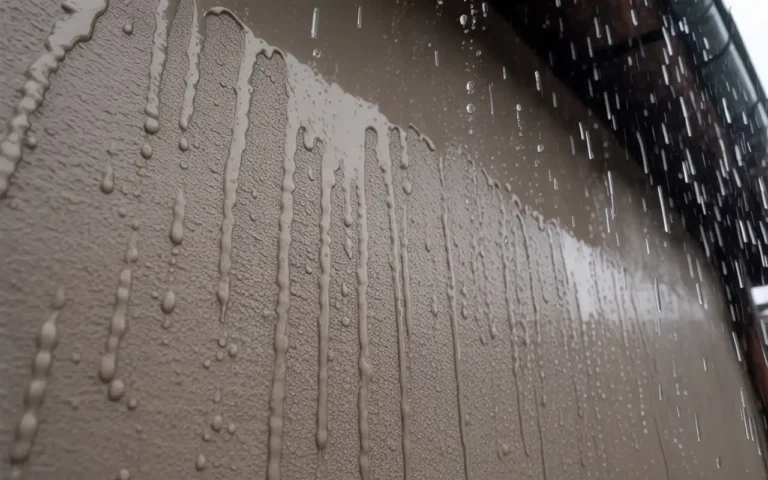
Water damage causes more home repairs than almost any other issue. Elastomeric waterproofing creates a shield that stops rain from seeping into your walls. This matters most for stucco homes where water intrusion leads to expensive structural repairs.
The coating’s thickness makes the difference. At 10-20 mils per coat, it provides significantly more protection than the thin layer standard paint offers. This extra thickness means water simply can’t find a way through.
Exceptional Crack Bridging Ability
Small cracks appear in concrete and stucco as buildings settle. These hairline fractures let water in and grow larger over time. Painting stucco with elastomeric paint solves this problem. The flexible coating stretches over existing cracks and moves with new ones as they form.
This flexibility prevents further deterioration. Instead of water working its way deeper into cracks, the coating keeps everything sealed. The surface stays protected even as the building shifts slightly.
Extended Durability and Lifespan
Most exterior paints need replacing every 5-7 years. Elastomeric coatings last 10-15 years before requiring a fresh coat. This extended lifespan comes from the thick application and flexible formula that resists cracking and peeling.
Many manufacturers back their products with warranties of 10 years or more. Compare this to standard paints that typically offer 2-3 year warranties. The longer protection period means fewer paint jobs over your home’s lifetime.
Energy Efficiency Benefits
Light-colored elastomeric coatings reflect heat away from your walls. This reflective property reduces cooling costs during summer months. While the savings vary based on climate and home size, the coating helps maintain more stable interior temperatures.
This energy-efficient quality makes elastomeric masonry paint popular in hot climates like Arizona, Texas, and Southern California.
When Should You Use Elastomeric Paint on Stucco?
Stucco homes benefit most from elastomeric coating. The porous nature of stucco makes it vulnerable to water penetration. Applying elastomeric paint creates the protective layer stucco needs to last decades without major repairs.
You should consider this type of paint when:
- Your stucco shows hairline cracks throughout the surface. These small fractures are perfect for elastomeric coating to bridge and seal.
- Water stains appear on interior walls after rain. This signals that moisture is penetrating your exterior walls. An elastomeric waterproofing system stops this intrusion.
- You live in areas with temperature extremes. Hot summers and cold winters cause walls to expand and contract repeatedly. The flexible coating handles this movement without failing.
- Your home is older and the original coating is deteriorating. Older structures often develop multiple small cracks that would be costly to repair individually. A thick elastomeric coating seals everything at once.
- You’re dealing with concrete blocks or poured concrete walls. These surfaces develop tiny cracks as they cure and age. The coating provides the flexibility these materials need.
Disadvantages of Elastomeric Paint: What You Need to Know
Higher Upfront Costs
Elastomeric paint costs 40-60% more than acrylic paint. A gallon of quality elastomeric coating runs $60-90, while premium acrylic costs $40-50. The price difference comes from the higher solids content and specialized polymers.
Coverage rates make the cost gap even wider. Elastomeric paint covers about 100 square feet per gallon. Standard exterior paint covers 250-300 square feet per gallon. You’ll need two to three times more elastomeric coating for the same surface area.
For a 2,000 square foot exterior, expect to pay $800-1,200 for elastomeric paint versus $400-600 for acrylic. Add labor costs of $2-4 per square foot, and a complete paint job runs $4,800-9,200 for elastomeric versus $4,400-8,600 for acrylic.
Color Fading Issues
Dark colors fade badly with elastomeric coatings. Blues, reds, and browns lose their vibrancy within 4-6 years when exposed to strong sunlight. This happens because the thick coating can’t release heat as efficiently as thinner paints.
Light and medium colors hold up much better. Beiges, tans, grays, and whites maintain their appearance for the full 10-15 year lifespan. If you want dark colors on your exterior walls, acrylic paint resists fading better than elastomeric coatings.
Complex Application Requirements
Improper application leads to coating failure. The thick consistency requires specific techniques that DIY homeowners often struggle with. You need:
Thorough surface preparation including pressure washing at 2,500-3,000 PSI. All dirt, loose paint, and contaminants must be removed completely.
Proper thinning ratios if using a sprayer. Too much water weakens the coating. Too little makes it difficult to apply evenly.
The right tools. High-build rollers or airless sprayers rated for thick coatings work best. Standard equipment can’t handle the viscosity.
Two coats minimum to achieve the proper thickness. Skimping on the second coat reduces waterproofing effectiveness.
Mistakes during applying elastomeric paint create ugly lumps, thin spots that peel, and improper adhesion. Professional application ensures you get the full benefits of using elastomeric paint.
Limited Surface Compatibility
Elastomeric coatings work best on stucco, concrete, and masonry. They don’t adhere well to wood or metal without special primers. Even with primers, the coating may not perform as expected on these surfaces.
The thick application also makes elastomeric paint unsuitable for flat roofs and horizontal decks where water can pool. The coating needs vertical or sloped surfaces to drain properly.
When and Where to Use Elastomeric Paint: The Best Applications
Ideal Surfaces for Elastomeric Coating
- Stucco Exteriors: This is where elastomeric paint shines brightest. The coating fills the texture of stucco perfectly and provides the waterproofing these porous surfaces need. First-time painting of stucco should almost always use elastomeric coating to establish proper protection.
- Concrete Block: These structures develop small cracks as they cure. The flexible coating bridges these gaps and prevents water damage that would otherwise seep through mortar joints.
- Masonry Walls: Brick and stone benefit from the waterproofing properties without losing their visual texture. The coating fills small voids while maintaining the surface character.
- Poured Concrete: Foundation walls and concrete structures stay protected from moisture intrusion. This prevents the freeze-thaw cycle damage common in cold climates.
Climate Considerations
Hot, dry climates like Arizona and New Mexico are perfect for elastomeric coatings. The intense UV radiation and extreme temperature swings don’t affect properly applied coatings. The reflective properties help reduce cooling costs.
Humid coastal areas also benefit from the waterproofing. Salt air and constant moisture would quickly degrade standard paints. Elastomeric waterproofing keeps the elements out.
Cold climate applications work well too. The coating’s flexibility prevents the cracking that happens when water freezes in surface cracks and expands.
When Not to Use Elastomeric Paint
Skip elastomeric coating if your walls are in perfect condition with no cracks or water issues. The extra cost doesn’t make sense when standard acrylic paint provides adequate protection.
New construction often doesn’t need elastomeric paint immediately. Wait until the first repainting cycle when settlement cracks have appeared.
Wood siding and trim require different products. While you can use elastomeric paint with special primers, acrylic paint performs better on wood surfaces and costs less.
Elastomeric Paint vs Acrylic Paint: Making the Right Choice
Understanding the differences helps you choose wisely for your painting projects.
- Thickness: Elastomeric goes on 10-20 mils thick. Acrylic applies at 2-3 mils. This thickness difference drives most other differences between these coatings.
- Flexibility: Elastomeric stretches 300-600%. Acrylic has minimal stretch. When walls crack, elastomeric stays intact while acrylic splits.
- Breathability: Acrylic paint allows more vapor transmission. This matters for walls that need to release interior moisture. Elastomeric coatings allow some breathability but less than acrylic.
- Fade Resistance: Premium acrylic paint resists color fading better than elastomeric, especially in dark colors. The thinner film releases heat more efficiently.
- Cost: Acrylic costs less upfront and covers more area per gallon. Total project costs run 20-30% lower with acrylic.
- Lifespan: Elastomeric lasts 10-15 years. Quality acrylic lasts 7-10 years. The longer lifespan partially offsets the higher cost.
- Best Use: Choose elastomeric for cracked stucco and masonry needing waterproofing. Pick acrylic for surfaces in good condition or when fade resistance matters most.
Maintaining Elastomeric Paints for Maximum Lifespan
Proper maintenance extends your coating’s life and protects your investment.
Routine Cleaning Schedule
Clean your exterior walls once a year. Use a garden hose with a spray nozzle or a pressure washer set to 1,500 PSI or lower. Higher pressure can damage the coating.
Mix mild soap with water for stubborn dirt. Avoid harsh chemicals that can break down the coating’s flexibility. Rinse thoroughly to prevent soap residue buildup.
Regular Inspections
Check your walls every six months for signs of damage. Look for peeling edges, cracks that weren’t there before, and areas where water might be getting behind the coating.
Catch problems early and repair them before they spread. Small touch-ups cost little compared to full repainting.
When to Repaint
- Years 1-5: The coating should look nearly perfect. Only cleaning is needed.
- Years 6-10: Color may start fading slightly, especially on south and west-facing walls. The coating still provides full protection. No action needed unless you want to refresh the color.
- Years 10-15: Plan for repainting. The coating may show wear but should still be protecting your walls. Dark colors will have faded significantly.
Repainting Over Existing Elastomeric Coating
You can apply new elastomeric paint over old coating if the existing layer is still well-adhered. Clean the surface thoroughly. Fill any cracks with elastomeric caulk. Apply a primer coat of elastomeric paint to the caulked areas.
Then apply two fresh coats of elastomeric coating. This builds up the protective layer again and gives you another 10-15 years of protection.
If the old coating is peeling badly, you’ll need to remove it before repainting. This requires specialized equipment and expertise.
Cost Analysis: Is Elastomeric Paint Worth the Investment?
Let’s look at real numbers for a typical 2,000 square foot home exterior.
Initial Elastomeric Paint Job:
- Paint materials: $900-1,200
- Surface preparation: $400-600
- Labor (2-3 days): $3,500-5,000
- Total: $4,800-6,800
Initial Acrylic Paint Job:
- Paint materials: $400-600
- Surface preparation: $400-600
- Labor (2 days): $2,800-4,000
- Total: $3,600-5,200
15-Year Cost Comparison:
Elastomeric: One paint job at $5,800 (average) = $5,800
Acrylic: Two paint jobs at $4,400 (average) = $8,800
Over 15 years, elastomeric coating saves $3,000 despite higher upfront costs. Add potential water damage repairs prevented by better waterproofing, and the savings grow larger.
This calculation assumes proper application and maintenance for both coating types.
Is Elastomeric Paint Right for Your Project?
Consider elastomeric coating if you answer yes to these questions:
Do you have stucco, concrete block, or masonry exterior walls? These surfaces benefit most from the thick protective coating designed for porous materials.
Are there existing cracks throughout your exterior? The crack-bridging ability of elastomeric paint solves this problem without expensive repairs.
Have you dealt with water damage or water stains inside your home? Elastomeric waterproofing stops moisture from penetrating your walls.
Do you live in an area with extreme weather? Temperature swings, heavy rain, or intense sun all make elastomeric coating a smart investment.
Can you afford the higher upfront cost? The long-term savings are real, but you need the budget now.
Are you choosing light or medium colors? These shades perform best with elastomeric coatings.
Choose standard acrylic paint if:
- Your exterior surfaces are in excellent condition with minimal cracking. The extra waterproofing isn’t necessary.
- You want dark colors that need to resist fading. Premium acrylic maintains color better.
- Your budget is tight now. Acrylic costs less initially even if it requires more frequent repainting.
- You have wood siding. Acrylic works better on wood and costs less.
Final Words
Elastomeric paint offers unmatched protection for stucco, concrete, and masonry surfaces. The thick, flexible coating bridges cracks, prevents water damage, and lasts up to 15 years. While it costs more upfront than acrylic paint, the extended lifespan and reduced maintenance make it cost-effective over time.
The key is matching the right product to your situation. Cracked stucco in harsh climates? Elastomeric coating is your best choice. Smooth surfaces in mild weather? Standard acrylic may serve you just as well at lower cost.
If you’re in San Diego and need expert guidance on your painting projects, San Diego Custom Painting provides professional interior painting and exterior painting services in San Diego. Our team helps you choose the right coating for your home’s specific needs and ensures proper application for lasting results.
Frequently Asked Questions: What is Elastomeric Paint & Beyond
How long does elastomeric paint last on stucco?
Properly applied elastomeric coating lasts 10-15 years on stucco before needing repainting. The actual lifespan depends on climate, color choice, and maintenance. Light colors in moderate climates can last the full 15 years. Dark colors in harsh sun may need refreshing after 8-10 years.
Can I apply elastomeric paint myself?
Yes, but it’s challenging. The thick consistency requires specific tools like high-build rollers or airless sprayers. Surface preparation must be thorough or the coating won’t adhere properly. Most homeowners get better results hiring professionals who understand proper application techniques.
What’s the difference between elastomeric coating and regular paint?
Elastomeric coating applies 10-20 mils thick versus 2-3 mils for regular paint. It stretches 300-600% without breaking while regular paint cracks under stress. This flexibility lets elastomeric bridge cracks and create a waterproof barrier that standard paint can’t match.
Does elastomeric paint work in cold climates?
Yes, elastomeric paint performs well in cold weather. The flexible coating prevents cracking from freeze-thaw cycles that damage standard paints. It bridges the small cracks that form when water freezes and expands in concrete and stucco.
Why is elastomeric paint so expensive?
The high cost comes from the specialized polymers and higher solids content. You also need more paint since it covers only 100 square feet per gallon versus 250-300 for regular paint. The thicker application and longer lifespan justify the price for surfaces that need extra protection.
Can elastomeric paint be used on interior walls?
You can use it indoors, but it’s rarely necessary. The thick coating works best for exterior surfaces facing weather and moisture. For interior walls prone to humidity like bathrooms or basements, standard bathroom paint or moisture-resistant primers cost less and work just as well.
Will elastomeric paint stop all water leaks?
Elastomeric waterproofing prevents most surface water penetration. It won’t fix major structural leaks or water coming from behind the walls. Repair serious water problems before painting. The coating works as prevention, not as a cure for existing major leaks.
How many coats of elastomeric paint do I need?
Apply two coats minimum for proper protection. The first coat fills the surface texture. The second coat builds the thickness needed for waterproofing and flexibility. Some severely cracked surfaces may benefit from a third coat on damaged areas.