Home / Home Painting / What Is Clapboard Siding? Types, Cost & Pro Tips

What Is Clapboard Siding? Types, Cost & Pro Tips

You’re looking at your home’s worn exterior and wondering what your options are. Or maybe you’ve heard contractors mention clapboard siding and you’re not sure what that means. Either way, you’re in the right place.

What is clapboard siding? It’s a type of lap siding where wedge-shaped boards overlap horizontally on your home’s exterior. The bottom edge is thicker than the top, creating subtle shadow lines and weather resistance. This design has protected American homes for centuries, and it still works beautifully today.

After painting hundreds of homes in San Diego over the past decade, I’ve seen every type of siding imaginable. Clapboard remains one of the most popular choices for good reason. This guide shares real costs, maintenance tips, and everything you need to know before making your decision.

What is Clapboard Siding Exactly?

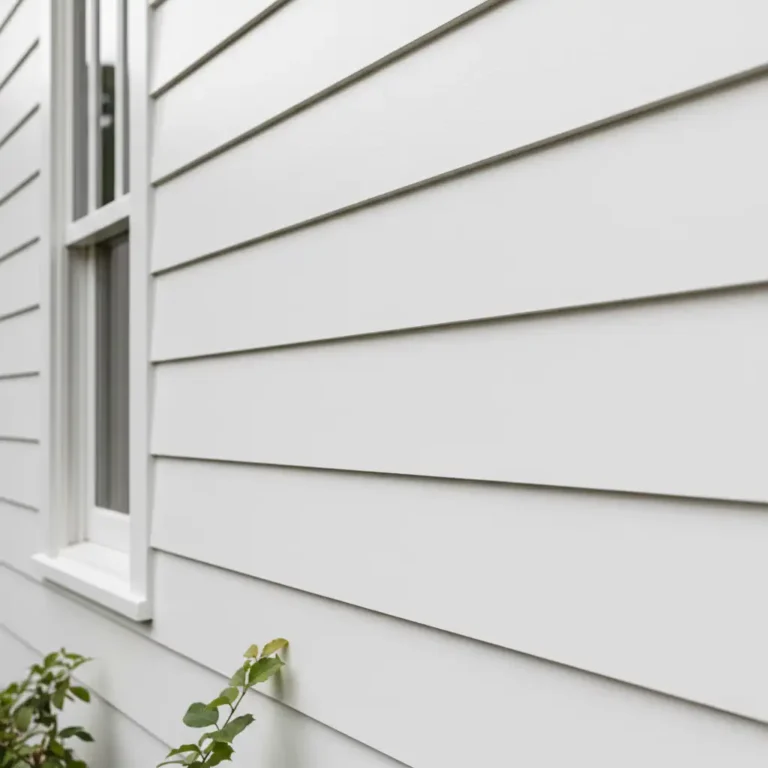
White painted clapboard siding showing what is clapboard siding with horizontal overlapping boards and wood grain texture

Clapboard is horizontal lap siding with a distinct wedge shape. Each board is thicker at the bottom than the top. This creates an overlapping pattern that naturally sheds water.

The name comes from the Dutch word “klappen,” which means “to split.” Early builders literally split logs into thin strips. They nailed these strips to home exteriors with the thick edge down.

Modern clapboards keep the same classic look. But today’s materials perform much better than traditional wood. You get the charm without the constant maintenance headaches.

The Wedge-Shaped Design That Makes Clapboard Unique

Here’s what makes clapboard different from other lap siding:

The wedge profile creates natural drainage. Water runs down and off each board instead of pooling. This keeps moisture away from your walls.

The overlap also allows boards to expand and contract. Temperature changes won’t crack or warp properly installed clapboards. This flexibility is why clapboard works in any climate.

Traditional clapboard siding was all wood. Pine, oak, and spruce were common choices in the 1700s and 1800s. These materials came from local forests and were easy to work with basic tools.

Where You’ll See Clapboard Houses

Clapboard started in New England. Visit Massachusetts or Connecticut and you’ll see historic clapboard homes everywhere. The style spread because it worked so well.

Today, you’ll find clapboard house siding across America. It works on Colonial homes, Cape Cods, and even modern designs. The clean horizontal lines look great on almost any architectural style.

We’ve painted clapboard on everything from beach cottages to mountain cabins. It adapts beautifully to different settings and home types.

Types of Clapboard Siding

Not all clapboards look the same. You have three main style options, each with its own appearance and installation method.

Traditional Lap Clapboard

This is the original style. Boards are typically 4 to 6 inches wide. Each board overlaps the one below by about an inch.

Traditional lap creates subtle shadow lines. The look is clean and classic. It’s what most people picture when they think of clapboard.

Installation is straightforward. You start at the bottom and work your way up. Each board nails to the wall studs beneath the board above it.

Dutch Lap Siding

Dutch lap adds a decorative groove along the top edge. This creates more pronounced shadow lines than traditional lap.

The deeper shadows give Dutch lap more visual interest. It catches light differently throughout the day. Many homeowners prefer this richer appearance.

The Dutch lap lies slightly flatter against the wall. This can make it easier to paint. The grooves do need extra attention during maintenance to prevent water accumulation.

Beaded Seam Clapboard

The beaded seam features a distinct V-shaped lip at the bottom. This creates strong light and shadow contrasts.

The beaded profile gives a more ornate, historic look. It’s perfect for Victorian or Colonial Revival homes. The style adds architectural detail without extra cost.

We often recommend beaded seam for restoration projects. It matches the original character of older homes beautifully.

Materials: What Modern Clapboards Are Made From

Traditional wood clapboard is now just one option. Modern materials offer better performance and less maintenance.

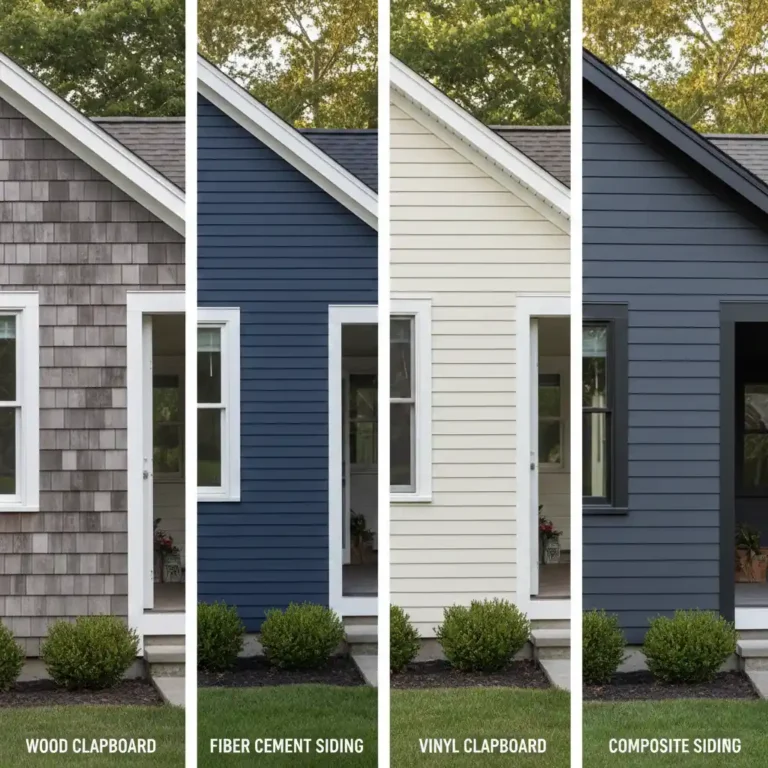
Wood Clapboard Siding

Red cedar and pine remain popular for wood clapboard. Cedar naturally resists rot and insects. Pine costs less but needs more protection.

Wood clapboard looks authentic because it is authentic. The grain patterns and natural texture are unmatched. Paint or stain adheres beautifully to wood surfaces.

But wood requires regular maintenance. Depending on the material and your climate, you’ll need to repaint every 3-7 years. Inspect annually for rot, especially around windows and near the ground.

Real costs for wood: Cedar siding runs $3 to $7 per square foot for materials. Pine costs $1 to $5 per square foot. A 2,000 square foot home typically needs $6,000 to $14,000 in materials alone.

Vinyl Clapboard

Vinyl clapboard offers low maintenance and affordability. It won’t rot, and it resists insects. Most vinyl comes with a woodgrain texture molded in.

The biggest downside is color fading. Sun exposure bleaches vinyl over time. Replacing damaged sections creates obvious patches because old vinyl never matches new.

Vinyl also cracks in extreme cold. We see this more in areas with harsh winters. The material becomes brittle below freezing.

Real costs for vinyl: Materials run $2 to $7 per square foot. For that same 2,000 square foot home, expect $4,000 to $14,000 in materials.

Fiber Cement Siding

Fiber cement combines sand and cellulose fibers. This creates extremely durable material that looks like wood but performs much better.

Fiber cement resists fire, insects, and rot. It holds paint for 15+ years. The factory finish comes in dozens of colors with consistent quality.

Installation requires special tools because fiber cement is heavy. But once installed, it’s the most reliable option. We rarely see problems with properly installed fiber cement.

Real costs for fiber cement: Materials cost $4 to $12 per square foot. That 2,000 square foot home needs $8,000 to $24,000 in materials. Yes, it’s more expensive upfront. But factor in the 50-year lifespan and minimal maintenance.

Clapboard Siding Pros and Cons

Every siding material has trade-offs. Here’s what you need to know about clapboard specifically.

Advantages of Clapboard

  • Weather resistance is excellent. The overlapping design sheds water naturally. Snow and rain run off instead of seeping behind the siding. This protects your home’s structure from moisture damage.
  • Installation is DIY-friendly for skilled homeowners. The horizontal layout is straightforward. You don’t need complex cuts or special training. Many people successfully install their own clapboard with basic carpentry skills.
  • Clapboard offers tons of customization. Choose your board width, overlap amount, and exposure. Pick smooth or woodgrain finishes. Select from hundreds of colors. The options let you create a truly unique look.
  • It works on almost any home style. We’ve installed clapboard on modern minimalist homes and 200-year-old farmhouses. The clean lines adapt to any architectural vision.
  • Repairs are manageable. Damaged boards can be replaced individually. You don’t need to redo entire walls. This saves money and time when problems occur.

Drawbacks to Consider

  • Gaps can collect dust and debris. The overlap creates small spaces where dirt accumulates. Plan to clean your siding annually. A pressure washer makes this easy but be careful around windows.
  • Insects may nest in the gaps. Carpenter bees particularly like to drill into wood clapboard. Regular inspection and sealing helps prevent infestations. Fiber cement solves this problem entirely.
  • Wood requires frequent repainting. Expect to repaint every 5-7 years in most climates. Coastal areas with salt air may need attention every 3-5 years. This is the biggest ongoing expense with wood clapboard.
  • Vinyl can look cheap if you go too budget-friendly. Thin vinyl warps and fades quickly. Higher quality vinyl costs nearly as much as fiber cement. At that price point, fiber cement is usually the better choice.

The Cost of Using Clapboard Siding

Let’s talk about real numbers. Prices vary by material, location, and project complexity. But these figures come from actual projects we’ve completed in San Diego.

Material Costs Breakdown

For a standard 2,000 square foot home exterior:

  • Pine clapboard: $2,000 to $10,000 in materials
  • Cedar clapboard: $6,000 to $14,000 in materials
  • Vinyl clapboard: $4,000 to $14,000 in materials
  • Fiber cement clapboard: $8,000 to $24,000 in materials

These prices assume 4-6 inch board widths with standard overlap. Wider boards or special profiles cost more.

Labor and Installation

Professional installation adds $3 to $10 per square foot depending on your location and project difficulty.

That same 2,000 square foot home needs:

  • Labor only: $6,000 to $20,000
  • Total project (materials + labor): $10,000 to $44,000

Two-story homes cost more because of scaffolding. Complex architecture with lots of corners and trim increases labor time.

Long-Term Maintenance Costs

Don’t forget the ongoing expenses. Over 20 years:

  • Wood clapboard: 3-4 full repaints at $3,000-$6,000 each = $9,000-$24,000
  • Vinyl clapboard: Minimal painting but potential section replacements = $1,000-$3,000
  • Fiber cement: One repaint at year 15-20 = $3,000-$6,000

When you add lifetime costs, fiber cement often costs less than wood despite the higher upfront price.

What Affects Your Final Price

Several factors push costs up or down:

  • Your location matters. Labor costs twice as much in San Diego versus rural Texas. Material shipping affects prices in remote areas.
  • Removal of old siding adds $1,000-$4,000. If your current siding can stay, you save money. But old damaged siding should always come off first.
  • Trim and detail work costs extra. Corners, windows, and doors need careful attention. Ornate Victorian homes cost more to side than simple ranch styles.
  • Painting adds to the total. If you choose wood or unpainted fiber cement, factor in $2,000-$5,000 for quality painting. Primed fiber cement often performs better than factory-finished in the long run.

How to Choose the Right Clapboard Material

Your best choice depends on budget, maintenance willingness, and your home’s needs.

Choose wood clapboard if: You want authentic traditional appearance and don’t mind maintenance. Your budget allows for quality cedar. You plan to stay in your home long-term to justify the repainting costs.

Choose vinyl clapboard if: Budget is your top priority. You want the lowest possible maintenance. Your climate has mild weather without extreme temperature swings.

Choose fiber cement if: You want the best long-term value. Durability and fire resistance matter in your area. You’re willing to invest more upfront for decades of performance.

For most San Diego homeowners, we recommend fiber cement. The climate is perfect for it. The fire resistance provides crucial protection. And the 50-year lifespan means you’ll probably never deal with siding again.

Painting and Finishing Your Clapboard

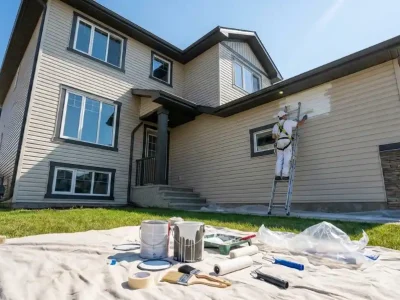
Professional painter from San Diego Custom Painting applying blue paint to white clapboard siding with brush on ladder

Proper finishing protects your investment and maintains curb appeal. Here’s what works after years of experience.

Best Practices for Wood Clapboard

Prime all wood before installation. This seals all six sides, including the backs and edges. It prevents moisture penetration better than painting after installation.

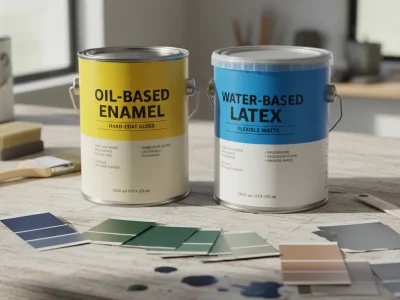
Use high quality acrylic latex paint. It breathes better than oil-based options. This lets moisture escape while keeping water out. Two coats over primer provides the best protection.

Sand between coats for the smoothest finish. Pay special attention to edges and end cuts where moisture sneaks in.

Painting Fiber Cement

Fiber cement takes paint beautifully. Many homeowners prefer primed boards that they paint themselves. This often provides better adhesion than factory finishes.

Apply paint within 180 days of installation for best results. Clean the surface first to remove any dust or construction residue.

Use 100% acrylic paint formulated for cement products. These paints flex with the material through temperature changes. Two coats over factory primers delivers 15+ years of protection.

Color Selection Tips

  • Lighter colors reflect heat. In hot climates, light grays, whites, and beiges keep your home cooler. They also hide dirt less than pure white.
  • Darker colors absorb heat but show every speck of dust and pollen. They work well in cooler climates. Consider medium tones for the best balance.
  • Classic combinations never fail. White or cream clapboard with colored trim looks fresh and timeless. Gray-blue clapboard with white trim fits modern and traditional styles.

Test colors on the actual clapboard before deciding. Paint chips look different than full walls. Buy sample sizes and paint test boards. View them in morning and evening light.

Installation Process: What to Expect

Understanding the installation helps you plan your project and spot potential problems.

Site Preparation

First, remove old siding if necessary. Check the underlying wall sheathing for damage. Replace any rotted sections before new siding goes up.

Install housewrap over the sheathing. This waterproof barrier prevents moisture from reaching your walls. Overlap seams properly and tape all edges.

Add furring strips if needed for ventilation. This small air gap behind the siding helps moisture escape. It’s especially important in humid climates.

Installing the Boards

Installation starts at the bottom and works up. The first board goes perfectly level. Every board follows this baseline.

Each board overlaps the one below by at least one inch. Nails go through both boards into wall studs. This locks everything together solidly.

Leave small gaps at corners and joints for expansion. Caulk these gaps after installation. This allows movement while keeping water out.

Trim and Finishing

Install corner boards and window trim. These pieces frame the clapboard beautifully. They also hide end cuts and protect vulnerable edges.

Caulk all gaps around windows, doors, and penetrations. Use a paintable, flexible caulk that moves with the siding. This prevents water intrusion and improves energy efficiency.

Paint or seal immediately after installation. Don’t let bare wood or cement sit exposed. Weather damage starts fast on unprotected surfaces.

Maintenance: Keeping Your Clapboard Looking Great

Regular care extends the life of any clapboard siding. These simple steps prevent big problems.

Annual Inspection Checklist

Walk around your home each spring. Look for:

  • Cracked or split boards
  • Peeling paint or bare wood
  • Gaps in caulking
  • Signs of insect damage
  • Loose or missing boards
  • Mold or mildew growth

Catch these issues early and repairs stay simple and cheap.

Cleaning Your Clapboard

Clean clapboard siding once a year. Spring is ideal because it removes winter grime before summer heat.

Mix mild detergent with water. Use a soft brush on a pole to scrub each board. Work from bottom to top to prevent streaking.

Rinse thoroughly with a garden hose. A pressure washer works but uses low pressure. High pressure drives water behind the siding or damages wood grain.

When to Repaint

Wood clapboard needs repainting every 5-7 years typically. But inspect annually and watch for these signs:

  • Paint chalking off on your hand
  • Cracking or peeling paint
  • Faded color
  • Bare wood showing through

Don’t wait until paint fails completely. Bare wood deteriorates fast once exposed to weather.

Fiber cement goes 15-20 years between paintings. The longer intervals save significant money over time.

Clapboard vs Other Siding Options

How does clapboard compare to alternatives? Here’s the honest breakdown.

Clapboard vs Shiplap

Shiplap boards have rabbeted edges that fit tightly together. Clapboard boards are wedge-shaped and overlap.

Shiplap creates a nearly flat surface with small grooves. Clapboard has more pronounced shadow lines. Both shed water well, but the clapboard’s wedge shape drains more effectively.

Shiplap became trendy for interior walls. Clapboard remains the traditional choice for exteriors where weather resistance matters most.

Clapboard vs Board and Batten

Board and batten runs vertically. Wide boards sit side by side with narrow strips covering the gaps.

Board and batten suits modern farmhouse and rustic styles. Clapboard fits traditional and Colonial aesthetics better.

Water drainage differs dramatically. Horizontal clapboard naturally sheds water down and away. Vertical board and batten needs perfect sealing at the bottom to prevent water infiltration.

Clapboard vs Vinyl Siding (General)

Most vinyl siding mimics clapboard but uses cheaper materials and manufacturing. Quality vinyl clapboard competes well with budget wood.

But the best wood and fiber cement clapboard outperforms even premium vinyl. Vinyl cracks, fades, and melts in extreme conditions. Real clapboard stands up to anything.

If you’re choosing vinyl, get actual clapboard profiles, not generic lap siding. The authentic look adds curb appeal and value.

Common Problems and Solutions

Even quality clapboards occasionally have issues. Here’s how to handle them.

Peeling Paint

Cause: Usually moisture trapped behind paint. Can also result from poor surface prep or using the wrong paint.

Solution: Scrape loose paint completely. Sand smooth. Prime bare wood. Repaint with quality acrylic latex. Address any moisture sources like leaking gutters or missing caulk.

Warped or Cupped Boards

Cause: Moisture absorption without proper sealing. More common in wood clapboard left unpainted or with failed paint.

Solution: Replace badly warped boards. Paint all sides of new boards before installation. This prevents moisture absorption that causes warping.

Insect Damage

Cause: Carpenter bees, termites, or other wood-boring insects find untreated wood clapboard attractive.

Solution: Treat damaged areas with insecticide. Fill holes with wood filler. Paint over repairs. Consider switching to fiber cement for complete insect resistance.

Mold and Mildew

Cause: Moisture and shade create perfect growing conditions. North-facing walls suffer most.

Solution: Clean with mildewcide solution. Improve drainage and ventilation. Trim trees and shrubs away from walls. Paint with mildew-resistant paint.

Color Fading

Cause: UV exposure bleaches all paints eventually. Darker colors and lower quality paints fade faster.

Solution: No permanent fix exists. Choose fade-resistant paints with high UV protection. Consider lighter colors in intense sun. Repaint when fading becomes noticeable.

Final Words

Clapboard siding combines timeless beauty with practical performance. Whether you choose traditional wood, modern fiber cement, or budget-friendly vinyl, you’re getting a proven exterior solution.

The key is matching the material to your needs. Wood clapboard delivers authentic charm but requires maintenance commitment. Fiber cement provides the best long-term value with minimal upkeep. Vinyl works when budget constraints matter most.

After completing hundreds of projects, I’ve learned that quality installation matters as much as material choice. Proper prep work, correct fastening, and thorough finishing determine how long your siding lasts.

Ready to upgrade your home’s exterior? San Diego Custom Painting specializes in exterior painting and home remodeling services in San Diego. We’ve worked with every type of clapboard siding. Our team helps homeowners choose the right materials and delivers flawless installations that last decades.

Contact us today for a free consultation. We’ll assess your home, explain your options, and provide a detailed quote. Let’s give your home the beautiful, durable exterior it deserves.

FAQs About Clapboard Siding

How long does clapboard siding last?

Lifespan depends on material. Wood clapboard lasts 20-40 years with proper maintenance. Vinyl typically goes 20-30 years. Fiber cement clapboard can last 50+ years. Regular painting and maintenance extend any material’s life significantly.

Can I install clapboard siding myself?

Yes, if you have carpentry skills and the right tools. The horizontal installation is straightforward. But proper prep work, flashing, and finishing require experience. DIY installation saves money but mistakes create expensive problems. Most homeowners hire professionals for best results.

What’s the best wood for clapboard siding?

Cedar and redwood are top choices. Both naturally resist rot and insects. Cedar costs less and is easier to source. Pine works but needs more protection through paint or stain. Avoid woods that aren’t naturally rot-resistant unless you’re committed to frequent maintenance.

How often should clapboard be painted?

Wood clapboard needs repainting every 5-7 years in most climates. Harsh weather or direct sun shortens this to 3-5 years. Fiber cement goes 15-20 years between paintings. Vinyl doesn’t need painting but can be painted if you want a color change.

Is clapboard siding energy efficient?

The clapboard itself provides minimal insulation. But when installed over housewrap with proper sealing, it creates an efficient envelope. Add insulation behind the clapboard for maximum energy efficiency. Fiber cement offers the best air sealing because boards don’t shrink or warp.

What causes the clapboard to rot?

Moisture trapped behind paint or in unsealed end cuts causes rot in wood clapboard. Failed caulking lets water penetrate. Clogged gutters drip water onto siding constantly. Good drainage, proper sealing, and regular maintenance prevent rot in most cases.

Can you pressure wash clapboard siding?

Yes, but use low pressure (1,500 PSI or less). High pressure drives water behind boards or damages wood grain. Keep the nozzle at least 12 inches from the surface. Spray at a downward angle to push water away from overlaps. Test in an inconspicuous area first.

How do I match existing clapboard for repairs?

Take a piece of your existing clapboard to lumber yards. They can match the profile and dimensions. For painted wood, any matching profile works. For stained wood or weathered siding, matching species matters more. Fiber cement and vinyl are easier to match exactly by manufacturer and product line.

Does clapboard siding increase home value?

Quality clapboard siding boosts curb appeal and property value. Fiber cement provides the best return on investment. Fresh paint on well-maintained clapboard adds 5-10% to home value in most markets. The clean, classic look appeals to buyers across all price ranges.

What’s the difference between clapboard and lap siding?

Clapboard is a specific type of lap siding. All clapboard is lap siding, but not all lap siding is clapboard. Clapboard specifically features wedge-shaped boards with the thick edge down. Other lap siding might have uniform thickness or different profiles. The terms are often used interchangeably, but traditional clapboard has that distinctive tapered shape.

Mark Sullivan

Mark Sullivan

Mark Sullivan is a seasoned expert in the residential and commercial painting industry, with over 27 years of experience transforming homes across San Diego. His deep understanding of color, finishes, and surface preparation allows him to deliver exceptional results on every project. Mark is passionate about sharing practical painting advice, maintenance tips, and design insights that help homeowners make confident decisions. His expertise and dedication to quality are reflected in every article he contributes to the San Diego Custom Painting blog.

Related Article

At SDCP we celebrate the beauty of painting from bold brushstrokes to delicate details. Explore, get inspired, and share your passion for art with us.

Copyright © 2025. All Rights Reserved San Diego Custom Painting.

Translate »