

Choosing the right clear coat for your wood project can feel overwhelming when you’re standing in the hardware store aisle. The debate of polycrylic vs polyurethane comes down to one key difference: polycrylic is a water-based formula designed for indoor furniture and light-colored wood, while polyurethane offers superior durability and comes in both water-based and oil-based options for high-traffic surfaces and outdoor use. Both protect wood from moisture, scratches, and daily wear, but they work differently based on your project’s needs.
This guide breaks down everything you need to know about these two popular wood sealers. You’ll learn which finish works best for your specific project, how to apply each product correctly, and what to expect in terms of cost, durability, and maintenance. Whether you’re refinishing a kitchen table or protecting a newly painted cabinet, you’ll have a clear answer by the end.
Table of Contents
Toggle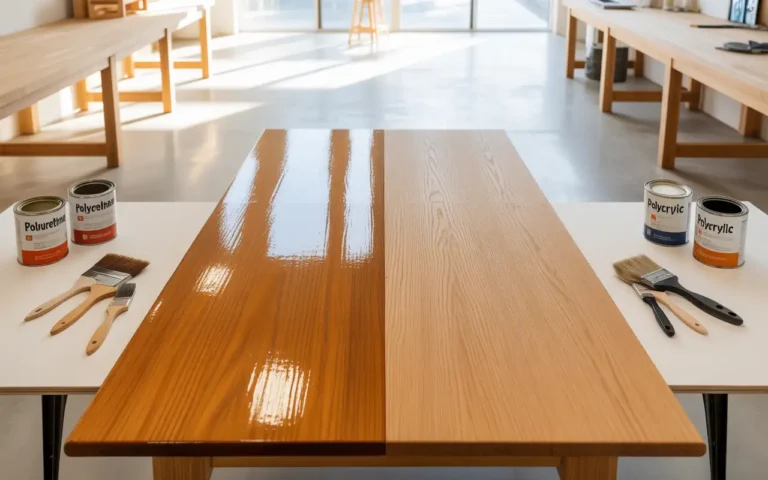
What is Polycrylic?
Polycrylic is a water-based protective finish that comes in an acrylic and urethane mixture. It’s like the more tender, quicker-drying choice for indoor wood projects. Minwax has made this product popular as a safer option to oil-based finishes.
The water-based formula results in fewer volatile organic compounds, which means less odour and fumes when it’s being applied. You can do it in your garage or extra bedroom without heavy ventilation. And clean-up is easy too, just soap and warm water for your brushes and hands.
This is a clear drying finish, so it will not look yellowish like some of the oil-based finishes leave behind. That makes it great for light woods such as maple or birch, or any painted furniture that you want to keep the original colour. Available in gloss, satin and matte finishes, polycrylic allows you to decide on the overall look of your project.
The consistency is thinner than average and requires at least three thin coats to provide even full coverage. Every layer dries to the touch within 30 minutes, though the material wants roughly 24 hours to solidify enough for light handling. Complete cure can take up to 30 days, so patience is necessary before moving heavy objects onto the finished surface.
What is Polyurethane?
Polyurethane is a polymer-based protective finish that forms a thick, hard shield over wood surfaces. It’s been the gold standard for floors, outdoor furniture and high-use items like tabletops for decades, thanks to its durability.
Water-based polyurethane has some qualities similar to polycrylic. It dries clear, washes off with soap and water, and has lower VOC content than oil-based alternatives. The dry time between coats is 2-4 hours, so it’s a bit slower than polycrylic (especially with smaller projects), but still totally doable.
The workhorse of wood finishes, oil-based polyurethane provides resistance to scratches, spills and heat. It forms an extra durable surface that resists scratches, can stand up to foot traffic and hot dishes and can take daily abuse. Ye sacrifice is a yellowish amber tone that will add up over time and isn’t exactly compatible with white or very light surfaces. Mineral spirits for cleanup, strong fumes require good ventilation.
Both types of polyurethane also require fewer coats than polycrylic typically, two or three coats are sufficient for full protection. The thicker texture resists drips and runs, so there is less “ghosting” when sanding, which minimises the time required to touch up vertical surfaces such as cabinet doors and furniture sides.
What is the Difference Between Polyurethane and Polycrylic?

Composition and Formula
The base formula separates these two finishes. Polycrylic uses only a water-based formula with acrylic resin, while polyurethane offers both water-based and oil-based versions. This difference affects everything from application to final durability.
Oil-based polyurethane contains higher levels of volatile organic compounds, which means stronger fumes and longer drying times. Water-based finishes from both categories dry faster and smell less, but oil-based polyurethane still wins for pure toughness.
Appearance and Color
Oil-based polyurethane adds a warm amber tone to wood that deepens over time. This works beautifully on dark woods like walnut or cherry but ruins the look of white painted furniture or light maple.
Water-based polyurethane and polycrylic both dry clear. However, polycrylic can develop a milky appearance if applied too heavily over dark paint or red mahogany stain. Applying thin coats prevents this issue and maintains the clear finish you want.
Durability and Protection
Here’s where the difference between polyurethane and polycrylic becomes critical for project success. Oil-based polyurethane creates the most scratch-resistant, water-resistant surface available. It handles high temperatures, daily foot traffic, and physical abrasion better than any other option.
Water-based polyurethane ranks second in durability. It resists scratches and moisture well enough for most furniture pieces and medium-use surfaces. Polycrylic comes in third; it provides adequate protection for decorative items and furniture that won’t see heavy use, but it’s more prone to dents and scratches than either polyurethane type.
For kitchen tables, dining surfaces, and wood floors, the choice is clear: oil-based polyurethane wins. For a painted dresser or picture frame, polycrylic offers plenty of protection.
Drying and Curing Time
Polycrylic dries fastest. Each coat feels dry to touch in 30 minutes, letting you apply multiple coats in one day. However, don’t confuse dry to touch with a fully cure that takes up to 30 days.
Water-based polyurethane needs 2-4 hours between coats. Oil-based polyurethane requires 8-24 hours between applications, making it the slowest option. The longer drying time actually helps on large surfaces like tabletops, giving you more working time to avoid brush marks and achieve a smooth finish.
Application and Ease of Use
Polycrylic’s thin consistency makes it trickier to apply without drips, especially on vertical surfaces like cabinet doors. Watch for runs and sags, and always apply thin coats. A quality synthetic bristle brush works best, though spray versions handle detailed or contoured surfaces well.
Polyurethane’s thicker formula spreads more evenly and stays where you put it. This makes it easier for beginners tackling their first refinishing project. Both oil-based and water-based polyurethane accept brush, roller, or spray application.
Can you put polycrylic over polyurethane or vice versa? Yes, both products work over each other once the base coat fully cures. Light sanding between coats improves adhesion regardless of which product you choose.
Safety and Fumes
Is polycrylic the same as polyurethane in terms of safety? Not quite. Polycrylic wins for indoor safety with low VOC levels and minimal odor. You can work in your home without worry, though basic ventilation still helps.
Oil-based polyurethane requires serious ventilation and respiratory protection. The fumes irritate lungs and cause headaches in poorly ventilated spaces. It’s also highly flammable while wet, requiring careful storage away from heat sources.
Water-based polyurethane falls between these two extremes—safer than oil-based options but with slightly more fumes than polycrylic.
Cost Comparison
Polycrylic and water-based polyurethane cost roughly the same: $18-$28 per quart for most brands. Minwax Polycrylic Clear Gloss typically runs $20-$24 per quart at major hardware stores.
Oil-based polyurethane ranges from $22-$50 per quart depending on brand and quality. Premium brands like Minwax Polyurethane charge more but deliver better durability and easier application.
Budget-conscious DIYers can save money choosing polycrylic or water-based polyurethane, but the cost difference rarely exceeds $10-15 per quart.
Maintenance and Cleanup
Water-based finishes win for easy cleanup. Both polycrylic and water-based polyurethane rinse off hands, brushes, and spills with soap and water. Oil-based polyurethane requires mineral spirits or paint thinner, adding cost and hassle to the project.
Long-term maintenance favors polyurethane. The highly durable surface needs less frequent reapplication and handles daily cleaning better than polycrylic.
Longevity
How long do these finishes last? Polycrylic provides 2-3 years of protection on low-use furniture before showing wear. Polyurethane extends that to 3-5 years on similar projects. High-traffic floors finished with oil-based polyurethane can last 10-15 years with proper care.
Environmental factors matter too. Indoor furniture protected from sunlight and moisture gets maximum life from either finish. Outdoor projects need oil-based polyurethane for weather resistance.
When and How to Use Polycrylic vs Polyurethane
Best Uses for Polycrylic
Choose polycrylic for indoor furniture projects where fast drying time matters. It works perfectly on:
- Light-colored wood pieces: Maple, birch, and pine maintain their natural color without yellowing.
- Painted furniture: White dressers, colored cabinets, and chalk paint projects stay true to their original shade.
- Quick-turnaround projects: When you need the piece ready in a day or two, polycrylic’s fast drying time saves time.
- Small decorative items: Picture frames, jewelry boxes, and craft projects get adequate protection without overkill.
- Indoor cabinets: Bathroom and bedroom cabinets that won’t face heavy moisture or heat.
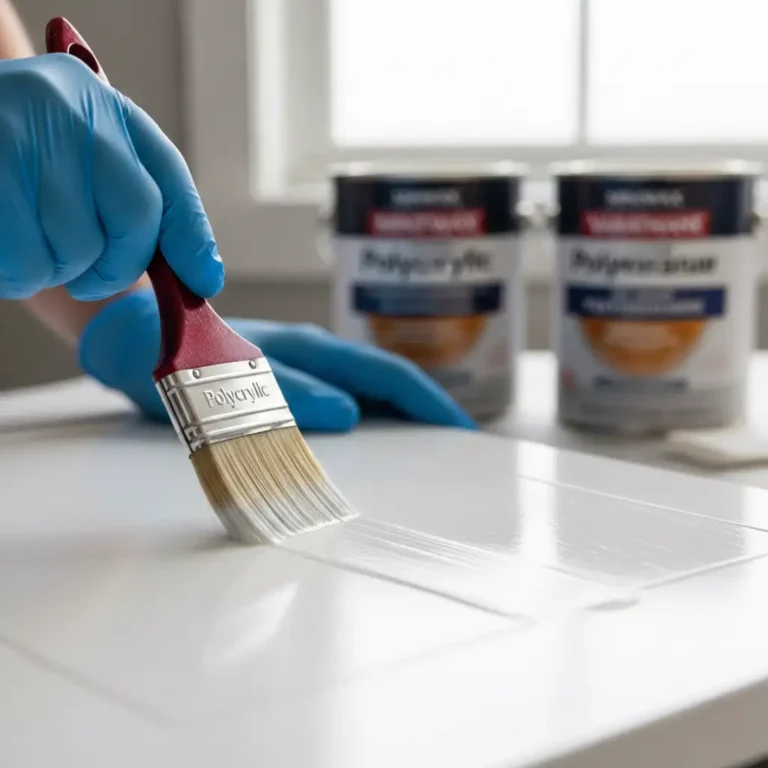
Apply three thin coats for full protection. Use a quality synthetic brush and work in one direction to minimize brush marks. Lightly sand with 220-grit sandpaper between coats once dry.
Best Uses for Polyurethane
Select water-based polyurethane when you need better durability than polycrylic but want to avoid the amber tone of oil-based products. It handles:
- Tabletops and desks: Surfaces that see regular use but not extreme abuse.
- Light-colored floors: Where you need protection without color change.
- Medium-traffic areas: Hallway floors and guest bedroom furniture.
Choose oil-based polyurethane for maximum protection:
- Kitchen tables: Hot dishes, spills, and daily meals demand tough protection.
- Wood floors: Foot traffic requires the most durable finish available.
- Outdoor furniture: Weather exposure needs oil-based formulas designed for exterior use.
- Dark wood projects: The amber tone enhances walnut, cherry, and mahogany.
- High-use surfaces: Entryway benches, mudroom storage, and commercial applications.
Apply two to three coats, waiting the full recommended drying time between applications. Oil-based polyurethane works better on horizontal surfaces, while the thicker consistency helps prevent drips on vertical surfaces compared to polycrylic.
Application Tips for Success
Both finishes require proper surface preparation. Sand the wood smooth, remove all dust with a tack cloth, and ensure the surface is completely dry.
Work in a dust-free environment when possible. Airborne particles settle into a wet finish and create a rough surface.
Maintain consistent room temperature between 65-75°F. Cold temperatures slow drying time, while heat can cause bubbling.
Avoid applying thick coats. Multiple thin coats build better protection than one heavy application that drips and sags.
Don’t use steel wool between coats; tiny metal particles can rust in the protective finish. Use nylon abrasive pads instead.
What You Need to Know (The Expert View)
In my experience at San Diego Custom Painting, I’ve seen many DIYers make two common mistakes that the big “store-bought” guides don’t mention:
- Curing vs. Drying: Just because a finish is “dry to the touch” in 30 minutes doesn’t mean you can put a lamp on it. Polycrylic takes about 2 to 3 weeks to fully cure and reach its maximum hardness. If you use it too soon, the finish will dent.
- The “Milky” Trap: If you apply polycrylic too thick over dark stains, it can trap moisture and look cloudy. Always use thin coats and a high-quality synthetic brush.
- The Steel Wool Myth: Never use steel wool to sand between coats of water-based finishes. Small bits of steel can get trapped in the finish and rust, leaving tiny orange spots. Use a fine-grit sanding sponge instead.
Conclusion
The choice between these two wood finishes depends on your specific project needs. Polycrylic works best for indoor furniture, painted surfaces, and light woods where you want fast drying time and easy cleanup. Polyurethane provides superior durability for floors, outdoor projects, and high-use surfaces, with oil-based options offering the toughest protection available.
Consider your project location, expected wear, and wood color before making your selection. Neither option is universally better; each excels in different situations.
For professional results on cabinets and furniture throughout your home, San Diego Custom Painting provides expert interior, exterior, and cabinet painting services in San Diego. Our team understands which finishes work best for different applications and delivers lasting results that protect your investment.
FAQs About Polycrylic and Polyurethane
Is polycrylic waterproof?
Polycrylic is water-resistant but not fully waterproof. It protects against light moisture and spills but shouldn’t be used on surfaces with constant water exposure like outdoor furniture or shower surrounds.
Can I apply polycrylic over stained wood?
Yes, polycrylic works over wood stains once the stain fully dries. Wait 24 hours after staining before applying the first coat for best results.
How many coats of each finish do I need?
Apply three coats of polycrylic for adequate protection. Polyurethane typically requires two to three coats depending on the product and surface use.
Which finish is better for beginners?
Water-based polyurethane offers the best balance for beginners, easier to apply than polycrylic’s thin formula, but without the strong fumes and long drying time of oil-based products.
Does polycrylic yellow over time?
No, polycrylic maintains its clear appearance indefinitely. Oil-based polyurethane develops an amber tone that deepens with age.
Can I use these finishes over paint?
Both products work over latex paint, oil-based paint, and chalk paint. Allow paint to cure fully before applying either finish.
How long before I can use furniture after applying finish?
Wait 24-48 hours for light use after the final coat dries. Full cure takes 21-30 days before placing heavy objects or subjecting the surface to regular wear.
Which finish smells less during application?
Polycrylic has the mildest odor, followed by water-based polyurethane. Oil-based polyurethane produces the strongest fumes and requires excellent ventilation.