
Discovering black or green spots creeping across your freshly painted walls can feel overwhelming. You’re not alone in this frustration. Thousands of homeowners face mold growth on their interior walls each year, especially in bathrooms, kitchens, and basements where moisture levels run high. This guide shows you exactly how to remove mold from painted walls using simple tools you likely have in your kitchen.
Here’s the good news: you can remove mold from painted walls yourself using simple household products like vinegar, baking soda, or mild detergent. Most small mold problems (under 10 square feet) respond well to DIY methods without damaging your paint. This guide walks you through safe removal techniques, explains what causes mold to appear in the first place, and shows you how to stop it from returning.
Table of Contents
ToggleWhat is Mold?
Mold is a type of fungus that produces tiny spores floating through the air. When these spores land on damp surfaces, they begin to grow and multiply. On painted walls, mold typically appears as black, green, brown, or white spots that spread over time.
Unlike surface dirt, mold is a living organism. It feeds on organic materials and thrives in warm, humid conditions. The fuzzy or slimy texture you see is actually colonies of mold spores growing together. Left untreated, these colonies can spread across large areas and penetrate deep into wall materials.
Is Mold Harmful?
Yes, mold can hurt your health and your home. Mold spores in the air within your home can cause allergic symptoms like sneezing, a runny nose, itchy eyes, and skin rashes. When people with asthma are around a lot of mold, they may have trouble breathing or have asthma episodes.
Mold not only hurts your health, but it also damages buildings. Over time, it tears down paint, drywall, and other materials used to make things. A modest cosmetic problem can turn into walls that are falling apart and need to be replaced completely. The longer the mold is allowed to grow, the more it will cost to fix.
What Causes Mold Growth On Painted Walls?
Mold thrives in three specific conditions: moisture, warmth, and organic material to feed on. When all three exist together, mold growth becomes almost inevitable.
Excess Moisture Sources:
- Plumbing leaks behind walls
- Roof leaks allowing water infiltration
- Condensation from poor ventilation
- Humidity levels above 60%
- Water damage from flooding
Common Problem Areas: Bathrooms and kitchens top the list because steam from showers and cooking creates constant moisture. Basements often struggle with dampness from ground water. Bedrooms with poor air circulation can develop mold on exterior walls where condensation forms.
Even well-painted walls aren’t immune. Paint creates a barrier, but it doesn’t prevent moisture from seeping through from behind. This is why addressing the moisture source matters more than just cleaning visible mold.
Safety Reminders Before Removing Mold
Protect yourself before tackling any mold cleanup. Mold spores can irritate your respiratory system and skin, so proper precautions are essential.
Required Protective Gear:
- Face mask or respirator (N95 rated)
- Waterproof gloves
- Eye protection or safety goggles
- Long sleeves and pants
Important Safety Rules: Cover nearby furniture with plastic sheets to prevent contamination. Open windows and turn on exhaust fans for ventilation. Never mix different cleaning products together. Combining bleach with vinegar or ammonia creates toxic fumes. Use only one cleaning method at a time.
Stop immediately if you feel dizzy, experience breathing problems, or develop skin irritation. Get fresh air and seek medical attention if symptoms persist.
One critical threshold: if mold covers more than 10 square feet (roughly a 3×3 foot area), call professionals. Large contaminated areas pose serious health risks and require specialized equipment for safe removal.
How To Remove Mold From Painted Walls
Choose your cleaning method based on your wall’s paint type and the severity of contamination. Each approach below works effectively for small to medium mold problems on structurally sound walls.
Removing Mold Using a Mild Detergent
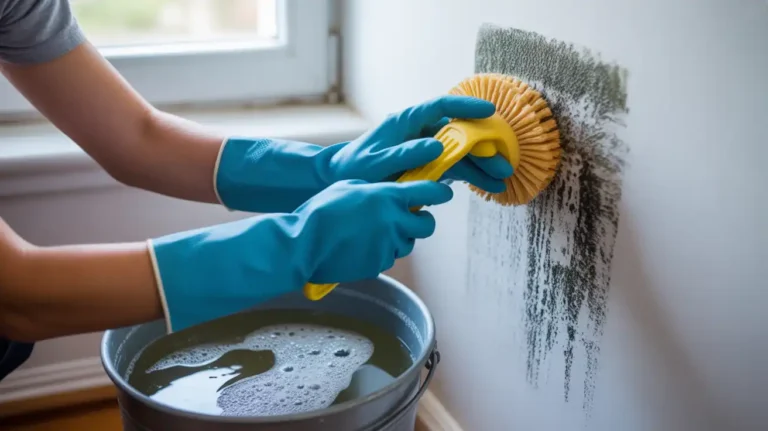
This gentle method works best for colored or recently painted walls where you want to avoid any color damage.
What You Need:
- 2 tablespoons mild dish detergent
- 1 gallon warm water
- Soft sponge or kitchen scourer
- Clean cloths
- Bucket
Step-by-Step Process: Mix the detergent with warm water in your bucket until well dissolved. Dip the sponge into the soapy mixture and wipe the moldy area using gentle circular motions. Let the solution sit for 5 minutes to break down the mold.
Scrub the affected areas with the rough side of your scourer, applying moderate pressure. Rinse thoroughly with clean water using a fresh cloth. Pat the wall completely dry with paper towels, using a new piece for each wipe. Air dry for at least 2 hours before touching.
Cost: Under $5 using products you likely own.
Removing Mold Using a DIY Mold Killer
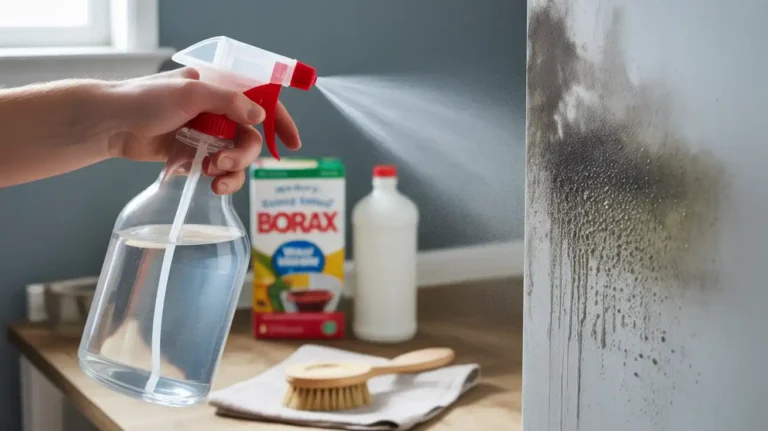
This homemade solution combines three natural mold fighters for maximum effectiveness. It works on both painted walls and washable wallpaper.
What You Need:
- 2 tablespoons borax powder
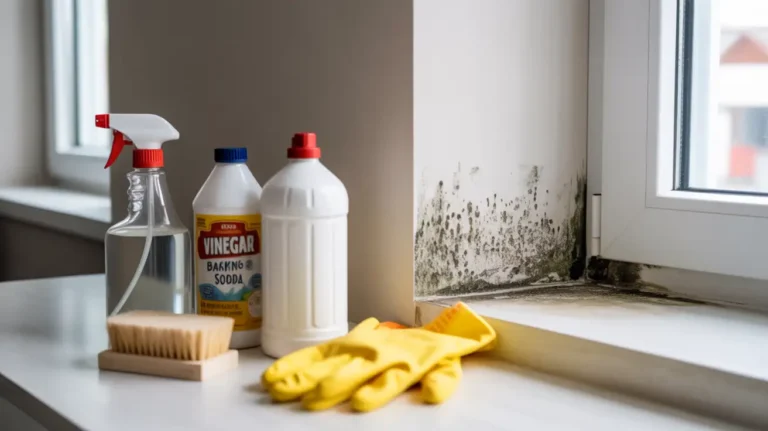
- 2 ounces white vinegar
- 16 ounces hot water
- Spray bottle
- Soft-bristle brush
Step-by-Step Process: Pour all ingredients into a spray bottle and shake until the borax dissolves completely. Spray the contaminated area generously, then immediately scrub with your brush. This first application breaks down the mold’s surface layer.
Spray again and let the solution sit for 15 minutes. The mixture penetrates deeper to eliminate mold on walls that has worked into the paint. Wipe with a dry cloth but don’t rinse the remaining solution helps prevent regrowth.
Check the next morning. If discoloration remains, repeat the process. Once clear, wipe with a damp cloth and air dry.
Cost: Around $8 for all ingredients (provides multiple uses).
Removing Mold Using a Vinegar and Water Solution
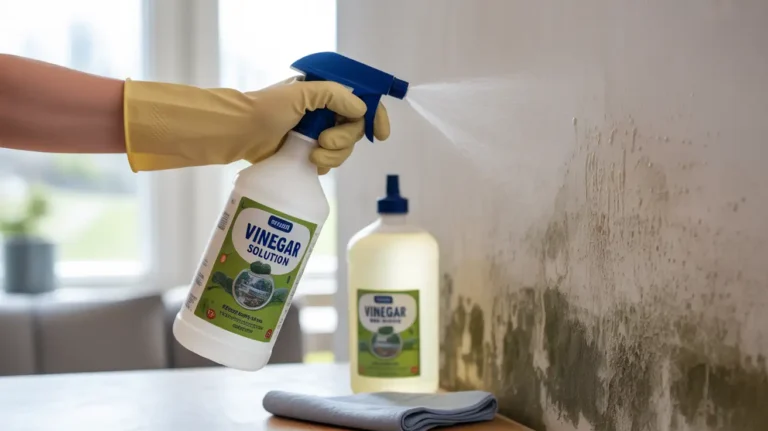
White vinegar kills up to 82% of mold species naturally without harsh chemicals. This makes it perfect for households with children or pets.
What You Need:
- 1 cup white vinegar
- 1 cup water
- Spray bottle
- Microfiber cloth
Step-by-Step Process: Mix equal parts vinegar and water in your spray bottle. Spray directly onto mold stains until the surface is wet but not dripping. Allow the vinegar solution to sit for 3-4 hours. This gives it time to kill mold spores at the root.
Scrub gently with a damp cloth to remove dead mold. Rinse the wall with clean water and wipe completely dry. The vinegar smell fades within a few hours, especially with good ventilation.
This method works on both porous and nonporous surfaces. For stubborn spots, use undiluted vinegar for stronger cleaning power.
Cost: About $3 for a bottle of vinegar.
Removing Mold Using Baking Soda
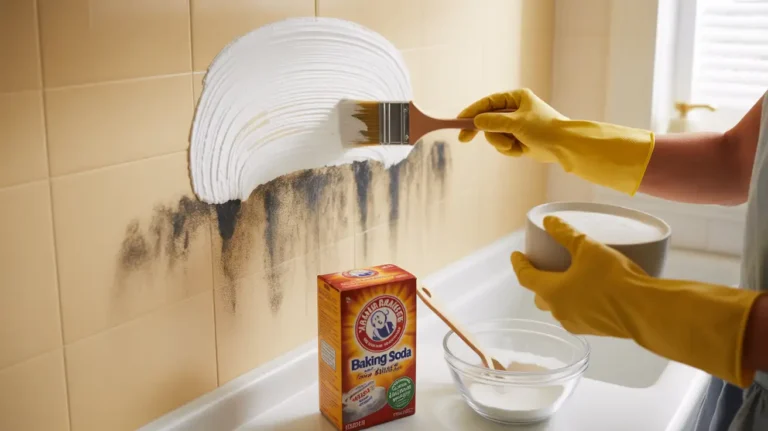
Baking soda offers mild abrasive action without scratching paint. It also absorbs moisture and odors while cleaning.
What You Need:
- 1/2 cup baking soda
- 2-3 tablespoons water
- Soft-bristle brush
- Clean towels
Step-by-Step Process: Mix baking soda with just enough water to create a thick paste think toothpaste consistency. Apply the paste directly onto moldy walls and let it sit for 10 minutes. The baking soda draws out moisture while killing surface mold.
Scrub the affected areas gently in circular motions. The mild abrasive action lifts mold without harming paint. Rinse thoroughly with clean water and pat completely dry with towels.
For extra cleaning power, spray vinegar solution over the baking soda paste before scrubbing. The fizzing reaction helps loosen stubborn mold stains.
Cost: Less than $2 using pantry staples.
The Secret Ingredient: Hydrogen Peroxide
If you have white or light-colored walls, $3\%$ hydrogen peroxide is a game-changer. It is an antifungal and antibacterial liquid. Spray it on the mold until it bubbles. Let it sit for 10 minutes, then wipe it away. It works better than bleach because it soaks into the drywall to kill the roots of the mold.
How to Prevent Mold From the Painted Walls
Cleaning visible mold solves the immediate problem, but mold prevention stops it from returning. Address the root cause of excess moisture with these practical strategies.
Control Indoor Humidity: Keep humidity levels below 50% using a dehumidifier. Digital hygrometers cost $10-15 and help you monitor moisture levels accurately. Run dehumidifiers in basements, bathrooms, and other damp areas during humid months.
Improve Ventilation: Install or upgrade exhaust fans in bathrooms and kitchens. Turn them on during showers and while cooking, then leave them running for 15 minutes after. This simple habit removes moisture before it condenses on walls.
Open windows regularly to promote air circulation. Even 10 minutes of fresh air daily makes a difference. In winter, crack windows briefly to reduce condensation without losing too much heat.
Fix Water Problems Promptly: Repair plumbing leaks immediately even small drips create enough moisture for mold growth. Check under sinks, around toilets, and behind washing machines monthly. Address roof leaks before they cause water damage to ceilings and walls.
Increase Air Flow: Move furniture away from exterior walls to allow air circulation. Leave closet doors open periodically. Use fans to keep air moving in rooms without windows.
Use Mold-Resistant Paint: When repainting, choose paints with antimicrobial agents that inhibit mold growth. These specialty paints cost $5-10 more per gallon but provide long-term mold prevention. They work especially well in high-moisture areas like bathrooms.
Clean Regularly: Wipe down bathroom walls weekly with a dry cloth to remove moisture. Clean kitchen walls near the stove monthly to prevent grease buildup that mold feeds on. Regular maintenance catches problems before they grow serious.
When to Call a Professional
Some mold situations require professional mold removal services. Knowing when to call experts protects your health and your home.
Call Professionals If:
- Mold covers more than 10 square feet
- Mold returns repeatedly after cleaning
- You smell musty odors but can’t locate the source
- Walls show structural damage like bowing or crumbling
- You have serious health reactions (severe breathing problems, persistent coughing)
- Mold appears after major water damage or flooding
Professional mold remediation costs $500-$6,000 depending on severity. This includes assessment, containment, removal using specialized equipment, moisture monitoring, and restoration of damaged materials. While expensive, professionals ensure complete removal and prevent future growth.
For homes in San Diego dealing with coastal moisture issues, San Diego Custom Painting offers comprehensive solutions. After mold remediation, their interior painting services in San Diego can restore your walls with mold-resistant coatings designed for local climate conditions. They also provide moisture assessment to identify hidden problems before repainting.
Final Thoughts
Removing mold from painted walls is manageable when you catch it early and use the right approach. Simple household products like vinegar, baking soda, and mild detergent effectively clean most small mold problems without damaging your paint or breaking your budget.
Remember that cleaning visible mold is only half the solution. Finding and fixing the moisture source prevents mold from returning. Whether that means running a dehumidifier, fixing a leak, or improving ventilation, addressing the root cause saves you from repeated cleanup efforts.
For persistent problems or large contaminated areas, professional help ensures complete removal and protects your home’s value. Don’t hesitate to call experts when DIY methods fall short. Your health and safety come first.
FAQs About How to Remove Mold From Painted Walls
Can you paint over mold on walls?
No. Painting over mold doesn’t kill it; mold continues growing underneath fresh paint. This damages both the new paint and the wall structure beneath. Always clean moldy walls completely before painting.
Should you use bleach to remove mold from painted walls?
Bleach works on non-porous surfaces like tile, but it’s not recommended for painted walls. It can strip paint color, release harmful fumes, and only kills surface mold without penetrating porous materials. Vinegar or detergent solutions work better and safer.
Will mold go away on its own if walls dry out?
No. Dried mold goes dormant but doesn’t die. It reactivates once moisture returns. Active removal is necessary to eliminate the problem completely.
How long does it take to remove mold from walls?
Small areas (1-2 square feet) take 30-45 minutes including drying time. Larger areas may require several hours spread over two days, especially if you need repeat treatments.
What’s the difference between mold and mildew?
Mildew is a type of surface mold that grows flat and appears powdery. Regular mold grows in circular patterns and feels slimy or fuzzy. Both need removal, but mildew is generally less harmful and easier to clean.
Can mold grow behind paint?
Yes. If moisture penetrates through paint or comes from behind the wall (like a hidden leak), mold can grow between the paint and drywall. Bubbling or peeling paint often indicates this problem.
Is black mold more dangerous than other colors?
While black mold (Stachybotrys) can be toxic, color alone doesn’t determine danger. All mold types can cause health issues. Treat any mold growth seriously regardless of color.