
Choosing the right wall color for your wood floors can feel overwhelming. You stand in the paint aisle, holding dozens of color swatches, wondering which shade will make your space feel complete. The wrong choice might make your beautiful hardwood look dull or create a clashing effect that never quite feels right.
Here’s the good news: learning how to match wall color with wood floor doesn’t require a design degree. This guide walks you through proven color-matching strategies that work with any wood tone. You’ll discover how to identify your floor’s undertones, which paint colors create stunning combinations, and practical tips that help you avoid costly mistakes. By the end, you’ll know exactly how to choose wall colors that make your hardwood floors shine.
Table of Contents
ToggleUnderstanding Your Wood Floor's Undertone
Before you pick up a single paint swatch, you need to identify your floor’s undertone. This step determines everything else.
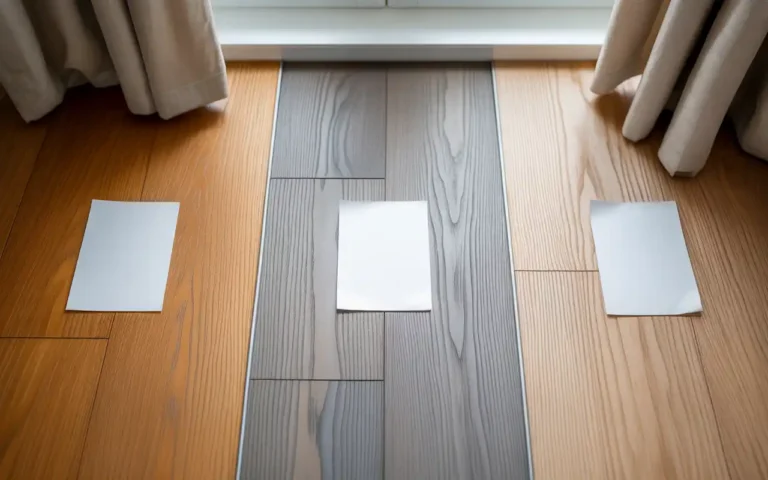
Wood floors fall into three categories: warm, cool, or neutral. Warm tone woods like oak, cherry, and hickory show golden, red, or honey hues. Cool tone woods such as weathered oak or gray-stained planks lean toward ashy, taupe, or grayish tones. Neutral woods offer flexibility since they don’t lean strongly in either direction.
Here’s a simple test: place a white sheet of paper on your hardwood floors. The undertones become more visible against pure white. You’ll notice whether your floors pull warm (yellowish, reddish) or cool (bluish, grayish).
The basic rule for how to match wall color with wood floor: pair opposite undertones. Cool wall colors balance warm floors. Warm wall colors soften cool floors. This creates natural contrast that makes both elements stand out without competing.
Dark Wood Floors: Creating Balance and Light
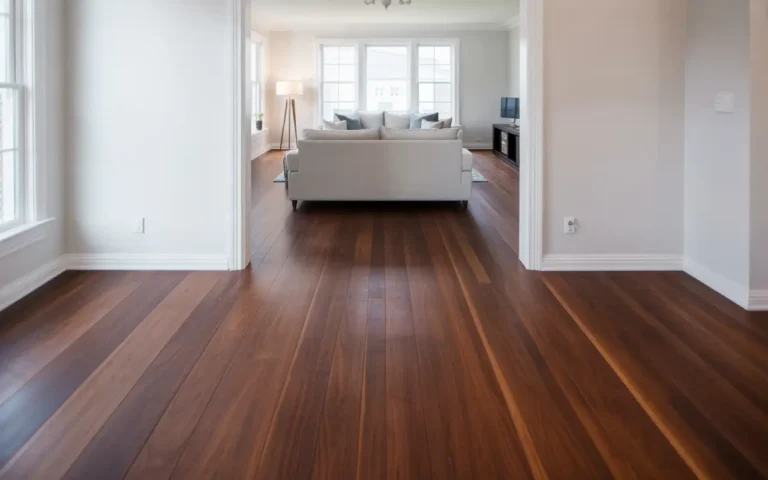
Dark hardwood floors bring drama and sophistication to any room. They ground your space beautifully but need the right wall color to prevent a cave-like feel.
The best wall colors for dark wood floors include crisp whites, soft grays, and cool off-whites. Sherwin-Williams’ Pure White or Benjamin Moore’s Chantilly Lace creates clean contrast that opens up the space. These colors reflect natural light and prevent your room from feeling closed in.
Light blue walls work wonderfully with darker wood floors, especially in living rooms and bedrooms. The cool blue undertones offset the warmth in most dark hardwoods. Try soft sky blue or dusty slate shades for a refreshing look.
Sage green offers another excellent choice. This cool, muted green complements dark floors while adding personality without overwhelming the space.
Avoid pairing dark wood floors with dark walls unless you have high ceilings and abundant natural light. The combination makes rooms feel smaller and can create a heavy, oppressive mood.
For accent walls with dark floors, consider deeper shades like navy or charcoal green. These work best behind beds or sofas where they add depth without dominating.
Wall Colors for Cherry and Red-Toned Hardwood Floors
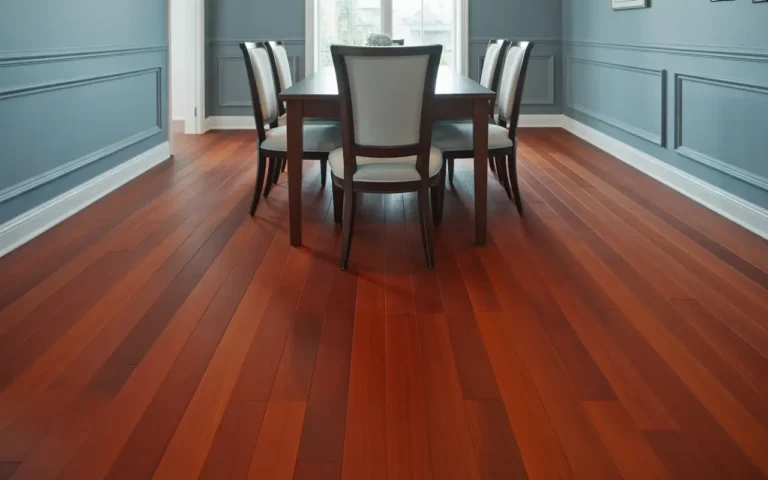
Cherry hardwood floors and red-toned wood present unique challenges. Their rich, warm character demands wall colors that balance rather than compete.
Cool white hues work best with cherry floors. Benjamin Moore’s Oxford White provides enough coolness to offset red undertones without creating stark contrast. Swiss Coffee offers a slightly warmer alternative that still maintains balance.
Light gray walls create sophisticated pairings with red-toned floors. Choose grays with blue or green undertones rather than warm grays that enhance the redness too much. Behr’s Money Moves delivers this cool gray balance perfectly.
Soft, cool greens like Garden Flower by Valspar bring out cherry wood’s natural beauty. The green acts as a complementary color on the color wheel, making the red tones pop without overwhelming.
For dining rooms with cherry floors, consider deeper colors like navy. Deep Ocean by Dunn Edwards creates an elegant, formal atmosphere that highlights the richness of cherry hardwood.
Avoid warm neutrals like beige or taupe with red-toned floors. These colors amplify the warmth and create a muddy, dated appearance. Skip yellow-based whites entirely.
Light Wood Flooring: Maximizing Brightness and Space
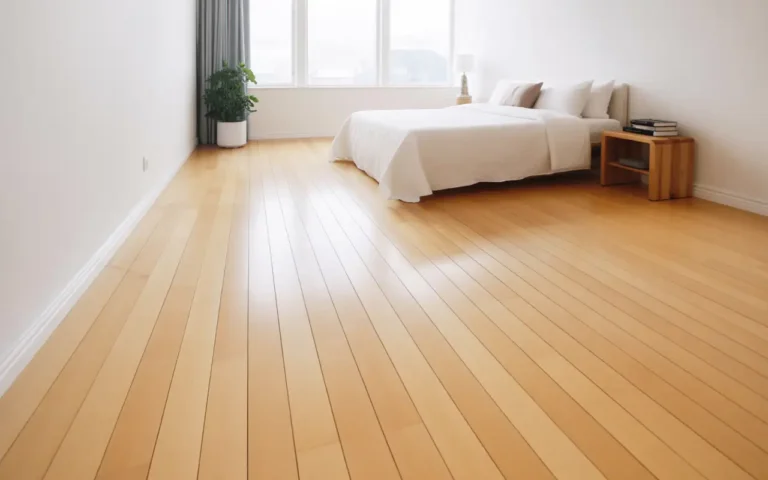
Light hardwood floors like maple, birch, and natural oak open up rooms and bounce natural light beautifully. They’re the most forgiving when choosing wall colors.
White walls paired with light wood floors create a clean, Scandinavian aesthetic. This combination maximizes brightness and makes small rooms feel larger. Decorator’s White by Benjamin Moore or Superwhite by Sherwin-Williams both work well.
Light gray walls add subtle depth without sacrificing the airy feel. Choose cool grays that complement rather than compete with the floor’s natural warmth. Agreeable Gray by Sherwin-Williams provides the perfect neutral backdrop.
Soft pastels work wonderfully with light wood flooring. Blush pink, muted blue, or pale sage add personality while maintaining the bright, open feeling. These colors work especially well in bedrooms and nurseries.
For a monochrome palette, stick with whites, beiges, and pale grays. This creates visual flow in open floor plans where multiple rooms connect.
The challenge with light wood floors comes from golden oak trim, popular in homes built during the 1990s. If you have honey oak trim, choose cool whites or even bold colors like Sherwin-Williams’ Naval to modernize the look. Alternatively, paint the trim white using Extra White from Sherwin-Williams for an instant update.
Gray Wood Flooring: Adding Warmth
Gray wood flooring has surged in popularity with farmhouse-style decor. These cool-toned floors need warm wall colors to prevent sterile, cold-feeling spaces.
The best paint colors for gray wood flooring lean toward warm off-whites and creamy neutrals. Silky White by Behr or Swiss Coffee by Benjamin Moore adds warmth without fighting the floor’s cool tones.
Avoid matching gray walls with gray floors. This creates a flat, monotonous look that lacks visual interest. Cool greige colors like Repose Gray clash with gray flooring since they contain just enough gray to compete.
Warm whites work better than stark whites with gray floors. The slight warmth prevents the space from feeling too clinical while still providing contrast.
For accent walls with gray flooring, consider warm terracotta, soft coral, or muted gold tones. These add personality and balance the coolness of the floors.
Medium Wood Floors: Finding the Sweet Spot
Medium wood floors and rich walnut tones present unique challenges. They’re darker than light floors but not as dramatic as dark hardwood.
The best wall colors for medium wood floors include dusty greens, cool blues, and neutral whites. Stargazer by Behr offers a sophisticated dusty green that complements medium tones beautifully.
Cool blues create stunning hardwood floor wall color combinations with medium woods. These colors provide enough contrast without overwhelming the natural wood beauty.
Skip warm beige walls with medium floors. They don’t offer enough contrast and can make spaces feel muddy and dated. Beige paint colors often bring out unwanted yellow or orange undertones in medium hardwood.
Always choose wall colors lighter than your medium floors, especially in rooms with limited natural light. This keeps spaces feeling open and inviting.
Neutral Shades: The Universal Solution
When unsure about how to match wall color with wood floor, neutral shades always work.
Greige (gray-beige mix) suits both warm and cool flooring. It offers flexibility with furniture and decor while maintaining a timeless look.
Cream and ivory soften darker flooring beautifully. These warm neutrals create classic elegance in dining rooms and formal spaces.
Pale tan or putty work well in transitional areas and open-plan spaces where floor tones vary. These colors bridge different wood tones seamlessly.
Neutral wall colors also provide the perfect backdrop for accent walls. Once you establish a neutral base, add personality with one darker or saturated wall behind key furniture pieces.
Natural Light: The Hidden Factor
Natural light dramatically affects how wall color combinations with wooden floors appear throughout the day.
Test paint samples at different times before committing. Morning light differs from afternoon sun, and evening artificial lighting changes everything again.
Natural light enhances warm colors and softens cool ones. North-facing rooms receive cooler, indirect light that can make blues and grays feel cold. South-facing rooms get warm, direct light that intensifies warm wall colors.
Artificial lighting matters too. Incandescent bulbs add warmth and can make cool colors look muddy. LED bulbs provide cooler light that can wash out warm tones.
Buy sample pots and paint large swatches (at least 2 feet by 2 feet) directly on your walls next to the wood floor. Live with these samples for several days, observing them in different lighting conditions.
Should Floors Be Darker or Lighter Than Walls?
Floors should typically be darker than walls. This creates natural grounding and makes spaces feel balanced.
Go at least three shades lighter on walls than floors. This prevents top-heavy, unbalanced feelings in rooms.
Dark wood floors and white walls create classic, timeless combinations that work in any home style. The high contrast makes both elements stand out.
Lighter floor and wall color combos make small living rooms look bigger. If your room lacks natural light or feels cramped, keeping both floors and walls light opens up the space.
Accent walls can break this rule. A darker accent wall adds depth without overwhelming when paired with lighter main walls.
Ceiling color matters too. Keep ceilings flat white, which creates maximum height perception and light reflection.
Final Tips: Creating Your Perfect Color Match
Matching paint colors with wood floors requires patience and testing. Never skip the sample step. Buy small sample pots and test them on your actual walls next to your hardwood floors.
Consider your existing furniture and decor. Your wall colors should complement not just your floors but also your sofas, rugs, and artwork.
Think about your home’s architectural style. Modern homes often suit cooler, crisper wall colors while traditional homes feel warmer with creamy neutrals.
Start with one room before committing to whole-house color schemes. Master the process in a single space, then expand to other areas.
If you feel overwhelmed by the choices or want professional results, San Diego Custom Painting offers expert interior painting services in San Diego. Professional painters understand color theory and can help you achieve perfect hardwood floor wall color combinations that transform your space.
Remember that paint colors are not permanent. If you choose something that doesn’t work, you can always repaint. The most important step is starting with understanding your wood floor’s undertones and choosing wall colors that create the mood and atmosphere you want in your home.
Flooring and Wall Paint Color FAQs
What color floor hides dog hair?
Light-colored flooring hides dog hair, dust, and dirt better than dark wood floors. Scratches also show less on light hardwood, meaning less maintenance and cleaner-looking floors longer.
Which shows scratches more, dark or light hardwood?
Dark hardwood shows scratches more visibly. Scratches expose the lighter raw wood underneath, creating high contrast on dark floors. Light or natural flooring blends with scratch colors better.
How much does paint cost for one room?
Expect to pay $200-$400 for paint and supplies to cover one average bedroom (12×12 feet). Professional interior painting services in San Diego typically charge $800-$1,500 for a full room including labor.
What’s the best finish for walls with wood floors?
Eggshell or satin finishes work best with wood floors. These provide subtle sheen that complements wood’s natural luster without competing. Flat finishes can look dull while high-gloss feels too shiny.
Can I use the same color in open floor plans?
Yes, consistent wall colors work well in open floor plans even with varying wood floor tones. Choose neutral shades that complement all wood tones present in connected spaces.