
Spray paint looks dry fast, but it is easy to ruin a finish by touching it too soon. If you are wondering how long does it take for spray paint to dry, the short answer is this: most spray paints become dry to the touch in 10 to 60 minutes, ready for a second coat in 1 to 2 hours, and need about 24 hours to fully cure. Some formulas dry faster. Others take longer.
It helps to know what affects spray paint dry time before you start. The type of paint, the surface, the weather, and how thick you spray all change the result. This guide breaks down the real drying time for spray paint, surface by surface, and shows how to avoid sticky or wrinkled paint.
Table of Contents
ToggleHow Long Does Spray Paint Take to Dry?
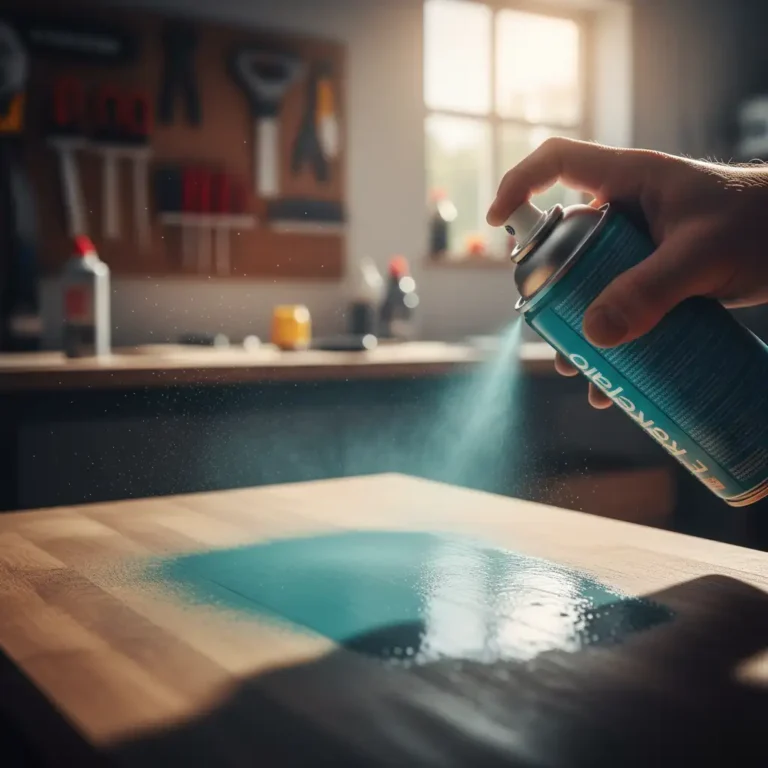
Drying time for spray paint varies by product. Here’s a straightforward breakdown by paint type:
Paint Type | Dry to Touch | Fully Cured |
Fast-Drying Spray Paint | 5 minutes | 1 hour |
Epoxy Spray Paint | 30 minutes | 24 hours |
Acrylic Spray Paint | 1 to 2 hours | 24 hours |
Lacquer Spray Paint | 10 to 30 minutes | 3 hours |
Rust-Preventive Enamel | 1 to 2 hours | 24 to 48 hours |
Oil-Based Spray Paint | 8 hours | 24 to 48 hours |
Latex Spray Paint | 8 hours | 24 hours |
Lacquer dries the fastest. Oil-based and latex take the longest. For most beginner DIY projects, acrylic spray paint is the most forgiving and widely available.
You may also want to read this: How long does oil-paint take to dry?
Spray Paint Drying Time vs. Curing Time: What's the Difference?
This is the part most people skip, and it causes the most mistakes.
Dry to the touch means the surface feels dry. The moisture has evaporated from the top layer. But the paint underneath can still be soft.
Fully cured means the paint has reached its maximum hardness. It’s chemically complete and ready for regular use.
There are actually four drying stages:
- Stage 1 – Surface Dry: The outer layer feels dry but is fragile. Do not touch.
- Stage 2 – Touch Dry: You can lightly touch it without leaving a mark. Still not safe to stack or use.
- Stage 3 – Hard Dry: The paint feels firm. You can handle the object carefully.
- Stage 4 – Fully Cured: The paint is at full strength. Safe for regular use, cleaning, and wear.
Most spray paint reaches hard dry in 2 to 4 hours. Full curing takes 24 hours to fully cure in most cases. Oil-based paints can take up to 48 hours.
Factors That Impact Spray Paint Drying Time
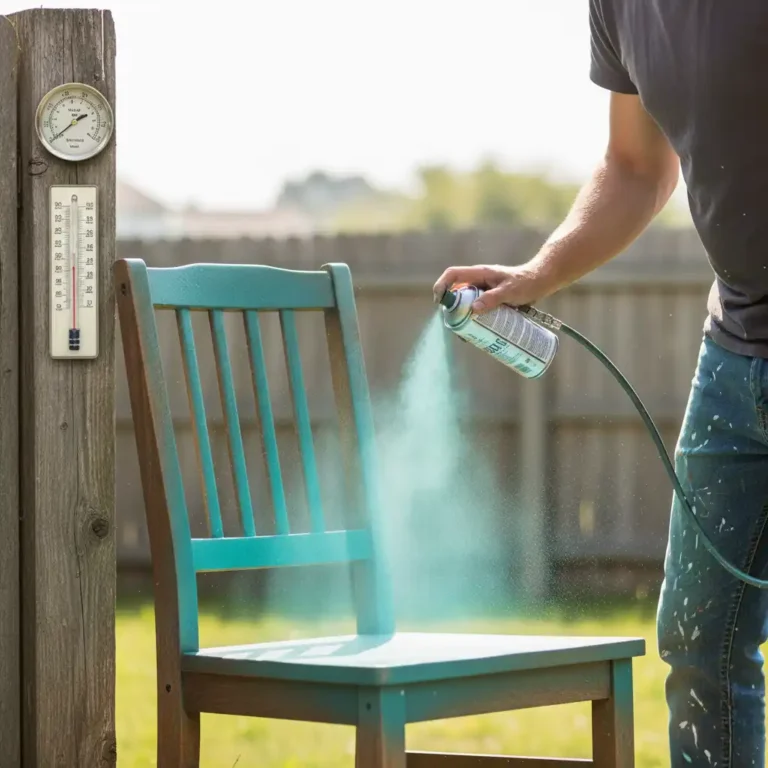
Several things control how fast spray paint dries. Understanding these helps you predict the drying time for spray paint more accurately.
Type of Paint
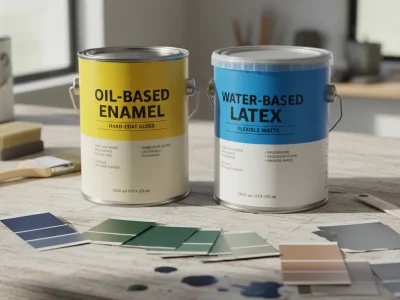
As shown in the table above, paint formula matters most. Water-based acrylics dry faster than oil-based or enamel paints. Always check the label.
Surface Porosity
A porous surface like wood absorbs paint quickly, which helps it dry faster. A non-porous surface like metal or plastic holds moisture longer, which extends drying time.
Temperature and Humidity
Temperature is the biggest factor. Most manufacturers recommend painting between 60°F and 85°F. If it is too cold, the paint thickens and stays wet for hours. High humidity is even worse. When the air is saturated with moisture, the solvents in the paint have nowhere to go. This often results in a “blushing” effect or a finish that stays tacky for days.
Air Circulation
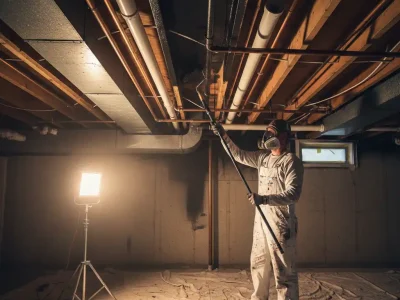
Stagnant air is the enemy of a fast finish. Good air circulation carries solvent vapors away from the surface. This is why projects done in a well-ventilated garage or a breezy outdoor spot finish faster than those in a cramped basement.
Thickness of Application
It is tempting to spray one heavy coat to get total coverage. However, heavy coats trap wet paint underneath a thin dry “skin.” Always apply thin coats to ensure the entire layer dries at the same rate. Three light passes are always better than one thick, messy layer.
How Long Does Spray Paint Take to Dry on Different Surfaces?
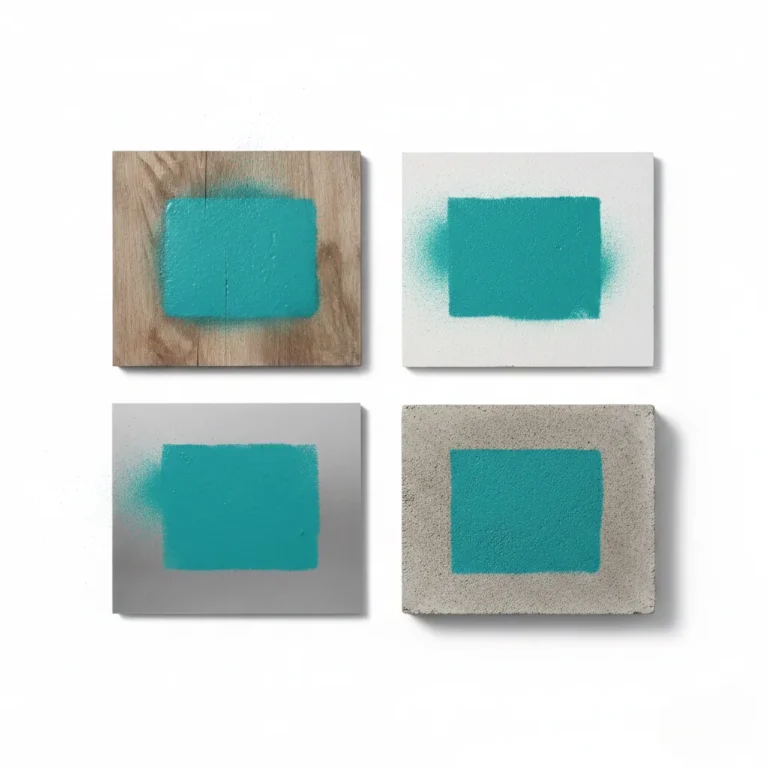
Surface material is one of the biggest factors. Here’s what to expect for each common surface:
Wood
Spray paint on wood typically dries to the touch in 1 hour. Full curing takes about 24 hours. Unfinished wood is porous, which actually helps it absorb and dry paint faster. Lightly sanding and priming beforehand gives you a smoother, more even finish.
Metal
Metal is non-porous and smooth. Spray paint on metal takes 10 minutes to become surface dry, but 2 to 4 hours to reach hard dry. Full curing takes 24 to 48 hours. Using a metal-specific primer improves adhesion and reduces drying time.
Plastic
A plastic surface is tricky. Paint doesn’t bond easily to plastic, which also extends drying. Expect 30 minutes to an hour to reach dry to the touch, and 24 to 48 hours for full curing. Clean the surface thoroughly and use a plastic-adhesion primer before painting.
Concrete
concrete is porous but dense. It typically dries to the touch in 30 minutes but can take 24 hours or more to cure fully, especially in damp conditions.
Glass
Glass is non-porous and smooth. Spray paint on glass dries to the touch in about 15 minutes but takes 24 hours to cure. Handle carefully before that point.
Outdoors
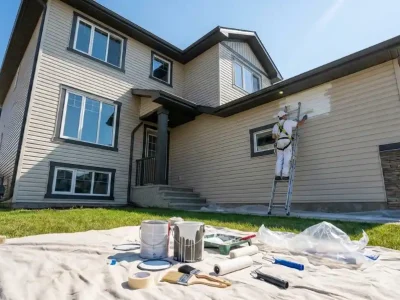
How long does spray paint take to dry outside depends on the weather. Under ideal outdoor conditions moderate temperature, low humidity, light breeze expect dry to the touch in 30 minutes to an hour. Full curing still takes 24 to 48 hours. Avoid painting in direct sun, which causes uneven drying and cracking.
How to Make Spray Paint Dry Faster
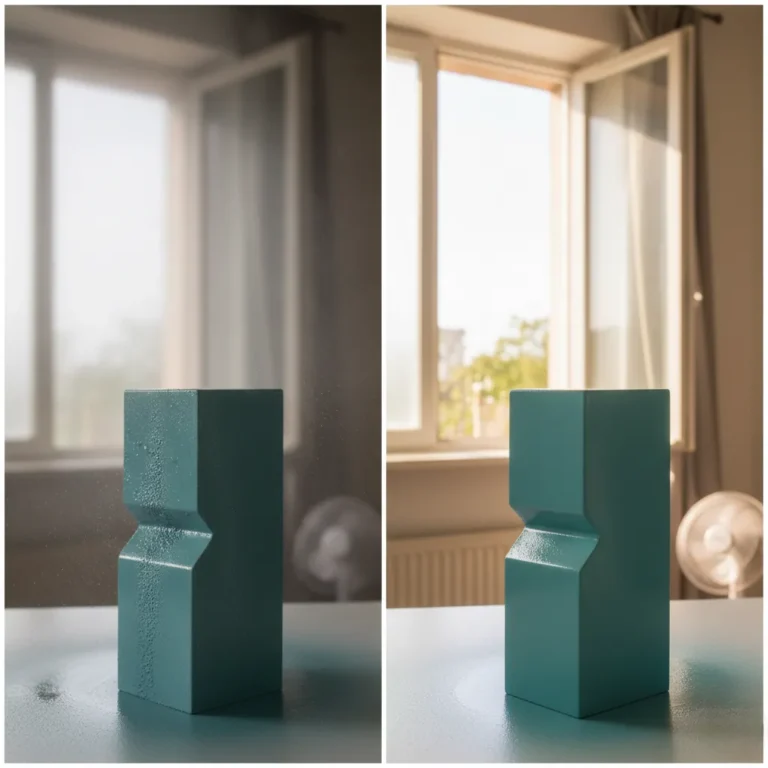
If you’re on a deadline, here are practical ways to speed things up without damaging your finish:
- Apply Thin Coats: This is the most effective method. Multiple thin coats dry faster and more evenly than one heavy coat. Let each coat dry before adding the next. A general rule: wait 15 to 30 minutes between coats of spray paint for most acrylic or enamel formulas.
- Improve Air Circulation: Set up a fan near (not directly at) the painted surface. Steady airflow speeds solvent evaporation. Open windows and doors if painting indoors.
- Control Temperature and Humidity: Use a space heater to warm a cool room. Use a dehumidifier in humid spaces. These two steps alone can cut drying time significantly.
- Use a Hair Dryer or Heat Gun: Hold a hair dryer 6 to 8 inches from the surface on a low heat setting. Move it constantly to avoid hot spots. A heat gun works but using it with caution too much heat causes bubbling.
- Choose a Fast-Drying Formula: Look for labels marked “quick-dry” or “fast cure.” Brands like Rust-Oleum and Krylon both offer fast-drying lines that are dry to the touch in under 20 minutes.
- Move the Item Indoors: If you paint outdoors and conditions aren’t ideal, move the item inside to a warm, dry space to finish drying.
How Long Between Coats of Spray Paint?
This question trips up a lot of beginners. Applying a second coat too soon is one of the top causes of peeling, wrinkling, and uneven texture.
For most spray paints, wait 15 to 30 minutes between coats. Some fast-drying products allow recoating in as little as 5 to 10 minutes. Oil-based paints may require 24 hours between coats.
Always read the product label. There is also a recoat window a timeframe after which adding another coat may cause adhesion problems. For many spray paints, if you miss the 30-minute window, you may need to wait a full 24 hours before adding another coat.
Why Is My Spray Paint Still Tacky?
If your spray paint feels sticky hours after application, one of these is likely the cause:
Too much humidity in the air is slowing evaporation. The coat was too thick. The temperature is too cold. You used an oil-based paint and didn’t give it enough time. You applied a second coat before the first dried.
The fix: Move the item to a warm, dry space with good airflow. Give it more time. In most cases, tacky paint will eventually harden if conditions improve. Do not try to speed it up with high heat at this stage it can make bubbling worse.
When to Apply Clear Coat After Spray Paint
If you plan to add a clear coat or topcoat for extra protection, timing matters. Apply it too soon and you’ll trap solvents, causing cloudiness or bubbling.
Wait until the base coat is hard dry typically 2 to 4 hours for acrylic or enamel paints. For oil-based paints, wait 24 hours before adding a clear coat.
Signs Spray Paint Is Completely Dry
Don’t just poke the middle of your project to check it. Use these tests instead:
- The Smell Test: If the item still smells strongly of chemicals, the solvents are still evaporating. It is not cured yet.
- The Hidden Spot Test: Find an inconspicuous area, like the bottom of a chair leg. Press your fingernail into the paint. If it leaves an indentation, it needs more time.
- The Drag Test: Lightly run a dry finger across the surface. If there is any “drag” or resistance, the paint is still “soft.”
Hire a Professional for Your Painting Project
While small DIY crafts are fun, large-scale home improvements require a level of precision that is hard to achieve with aerosol cans. If you are looking for a flawless finish on larger areas, consider professional help. At San Diego Custom Painting, we specialize in high-end finishes that last for years.
Whether you need interior, exterior, and cabinet painting services in San Diego, our team ensures the job is done right the first time. Using professional-grade sprayers and climate-controlled techniques, we eliminate the guesswork of drying times. Contact San Diego Custom Painting today to transform your home with a finish that is beautiful, durable, and perfectly cured.
Final Thoughts
Understanding how long does it take for spray paint to dry is the secret to a professional-looking DIY project. Dry to the touch in 10 minutes to 2 hours, hard dry in 2 to 4 hours, and 24 hours to fully cure those are the numbers to keep in mind. Match your paint type to your surface, work in the right conditions, apply thin coats, and give each coat proper time to dry. Follow those steps and you’ll get a smooth, even finish every time.
FAQs About Spray Paint Dry Time
How long does it take for spray paint to dry between coats?
Most spray paints need 15 to 30 minutes between coats. Fast-drying formulas may allow recoating in 5 to 10 minutes. Always check the product label.
Can I speed up spray paint drying with a fan?
Yes. A fan improves air circulation, which helps solvents evaporate faster. Don’t point it directly at the surface, aim it nearby to create steady, indirect airflow.
Does cold weather affect spray paint drying time?
Cold weather significantly slows drying. Paint below 50°F may stay tacky for hours or days. Move items indoors or use a space heater to warm the workspace.
How long does spray paint take to dry outside?
Under ideal conditions, it dries to the touch in 30 minutes to an hour outside. Full curing still takes 24 to 48 hours. Avoid direct sunlight and wind stronger than a light breeze.
Why does my spray paint feel dry but still smell?
The surface may be dry to the touch but the lower layers are still off-gassing solvents. This is normal. Give it the full 24-hour cure time before using the item indoors.
What is the fastest-drying spray paint?
Lacquer spray paint and products labeled fast-drying can become dry to the touch in as little as 5 to 10 minutes. Rust-Oleum and Krylon both make fast-cure options widely available at hardware stores.
How do I know when spray paint is fully cured?
The surface feels firm with no tackiness, the color looks fully even, and there is no paint smell. For most paints, this happens at 24 hours under normal conditions.