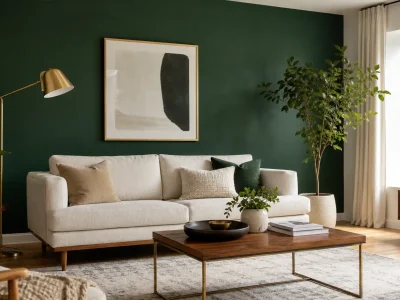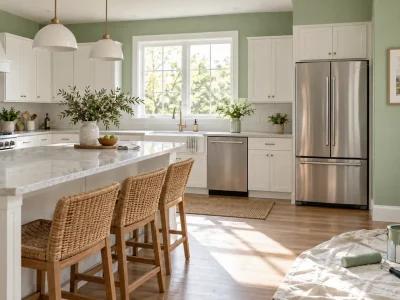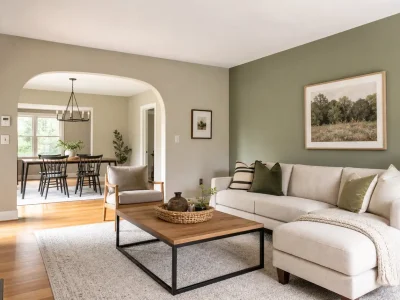

Walls are more than just a division between spaces or a place to hang art. The texture of the wall finish can affect the look and feel of a room. While many people prefer smooth wall finishes, a textured wall finish can add visual interest to a room while also disguising imperfections such as bumps and cracks. There are several types of wall textures, ranging from orange peel to knockdown.
The type of texture used in a home is often determined by the individual’s personal preferences, the style of their home, the condition of the walls, and their budget. Some textures create a more contemporary appearance, whereas others give the illusion of older, more traditional furnishings. It’s important to know what different textured finishes are available so that the most appropriate one can be chosen.
Table of Contents
ToggleWhat Are Wall Textures?
The drywall texture is the decorative coating found on the inner surfaces. Textures are added after the wall is finished and smoothed by a drywall professional. The professional paints the surface with joint compound, plaster, a unique tool, or anything else that would produce a different pattern. A textured surface may range from barely visible bumps to dramatic volumes of drywall compound that will become a new, unique wall.
Now, textured paint is not only used decoratively but also to hide minor flaws in the drywall. It is always a good option if one is planning to do repairs since it will save the person from having to deal with blemishes in the plaster. However, the application cannot be used to cover cracks, water damage, and other substantial issues during construction.
6 Popular Types of Textured Walls
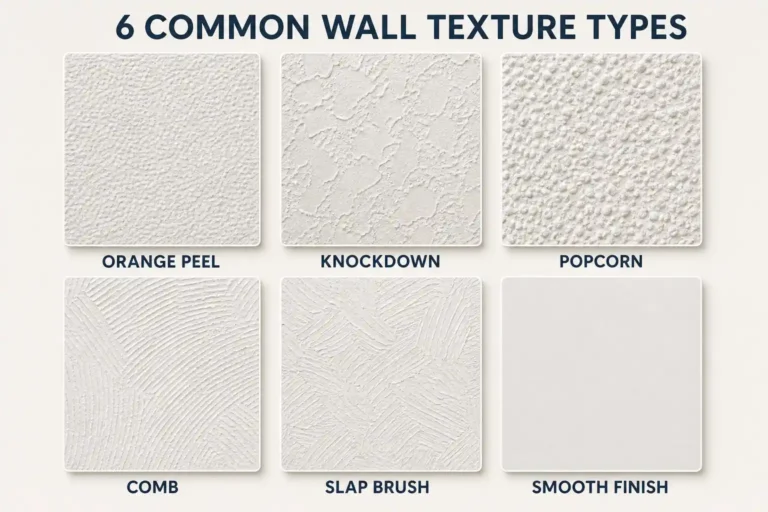
Homeowners are not limited to the 6 types of drywall textures listed below. There are many more exotic varieties that fit distinct aesthetic goals. The picks below represent the most popular and widespread options that could be seen almost anywhere. Let us review each closely.
1. Orange Peel Texture
Orange peel is one of the most common drywall finishes. It is characterized by its small bumps, similar to the texture of an orange’s skin. The bumps are not significant, which makes it a great option for those who want to avoid a heavily textured wall but do not want a completely smooth surface either.
The texture is created when a contractor uses a spray gun to apply a mixture of joint compound to form small bumps. In addition, the size and shape of the bumps depend on the ratio of the mixture, the pressure, and the equipment. After the orange peel dries, it is necessary to prime and paint it in order to match the walls’ color.
The best option to use orange peel is in bedrooms, hallways, or living rooms. This texture is great because it hides minor irregularities in the surface of the wall.
2. Knockdown Texture
Knockdown texture has tiny pocks on it, making it one of the mildest variations. To achieve this effect, a painter or builder uses a knockdown knife to press down the projected drywall compound. As a consequence, the wall surface gains a distinct pattern.
These are the advantages of this texture: it does not require excessive maintenance while adding enough character to an otherwise bland surface. It can transform a dull corner into a work of decorative art. It can even hide the drywall’s minor imperfections, as the pattern fills up most of the surface area.
3. Popcorn Texture
Popcorn texture mostly features very pronounced and rough bumps, and it is one of the easiest options to achieve. It typically only takes up a tiny amount of drywall compound and plaster, which a novice homeowner may easily apply. The irregularities may vary with the stroke or even the brush size and the pressure being applied. While a painter could produce an extraordinary pattern, this variation is not a perfect match for an upscale modern property.
This texture can completely transform the room without the need to modify the architecture. It often decorates the ceilings but also features anywhere on the wall. It is possible to produce variations to obtain a wide range of dramatic and unusual patterns. This wallpaper alternative is not only great for disguising the imperfections and unevenness of drywall but is easy to maintain as well.
4. Comb Texture
Combing is another relatively straightforward variation that fits almost any interior. A notched comb or a similar tool is used to carve out horizontal straight lines or curves on the drywall. Depending on the particular approach, the pattern might look structural or more decorative. It seems that the best way to utilize it is to keep it in accordance with the architecture and furnishings.
This method allows for a very precise and sharp pattern to emerge. This solution is perfect for making a wall a true feature of an interior.
The most common mistake would be to make it the centerpiece of an excessively minimalistic environment because this design element does demand attention. It makes walls more expressive without the need for additional coverings or materials.
5. Slap Brush Texture
A slap brush is another method to texture the drywall. As the name suggests, a painting brush is used to apply a pattern that creates volumes on the surface. The particular technique defines whether these volumes will be large and chaotic or small and neat. It is possible to create a pattern that spans the whole surface and resembles circular shapes. In turn, the painter could create a neat variation that only features a few pronounced lines.
After all, a slap brush does have a definite architectural character but is definitely not universal. It is one thing to find a home for this design within an old, traditional house. It becomes increasingly difficult to do so when trying to place it in a more restrained setting.
6. Smooth Wall Finish
A smooth wall finish is a clean, flat surface without any pattern. It suits modern interiors and is easy to wipe and repaint, but the drywall must be prepared by an expert with a certain level of precision, because a flat surface shows every flaw.
How to choose the right wall texture for your home
Take into account the use to which the room will be put, the condition of the wall and the care it has required, the design, and other factors.
Consider Your Interior Design
One should keep a few general rules in mind when choosing the type of texture they like. Overall, orange peel and knockdown patterns seem to blend in nicely with the majority of residences, while skip trowel and comb appear more fancy. For modern interiors, using smooth walls might be an excellent choice.
It is also good to think about other elements of room décor while studying sample photographs for inspiration. If one has lots of patterned furnishings on the floor and elsewhere, adding more texture to bare walls by using a decorative finish might not be the best idea. As an option, pick a smooth wall paint texture for a plain-looking room décor. Another point worth mentioning is accent walls.
Evaluate maintenance requirements
The differences between types of texture finishes influence the way in which these treatments are maintained in a room for a prolonged period of time. Smooth walls tend to be easier to wipe and repaint as opposed to ones with rough, high-profile patterns. Additionally, the latter are not always as easy to maintain. Thus, before choosing an orange peel option for the living room, one could ask themselves if the upkeep of this treatment would be appropriate.
Consider Wall Condition and Budget
While texture options have been known to solve a few wall issues for homeowners on a budget, it is not a replacement for addressing underlying concerns. Therefore, ensuring the state of drywall prior to deciding on a texture option is of great significance. The Gypsum Association publishes industry standards for drywall finishing that are a useful reference here. It is an error to ignore loose, crumbly material, cracks, wall discoloration, and the general state of structural integrity and move forward with selecting an option.
For the latter point, review the selected finish within your budget. A few textures are easier to apply on already sound, properly patched drywall than others like skip trowel and knockdown. Furthermore, asking for a breakdown of what expenses are entailed when working with a professional painter will ensure that there is no misunderstanding as to what financial commitments are required for the project as a whole.
What Are the Latest Wall Texture Trends?
Interior design trends lean towards patterned walls, yet not in a way that is considered distracting. These subtle finishes are great for contemporary interiors with lots of natural lighting and minimalist furniture pieces, which follow a similar style.
Knockdown patterns and the like are perfect for those who want both an improved feel for their rooms without the additional maintenance as compared to, for instance, skip trowel or comb variants.
However, more traditional décor choices appear to lean towards hand-painted textures. This does not mean that other patterned walls have lost their popularity. Accent walls continue to be a rather unique way to incorporate the use of texture for those who wish not to utilize it in each and every one of their rooms.
Common Mistakes to Avoid When Texturing Walls
While choosing the right wall texture is important, there are a couple of concerns one should not ignore throughout the decision-making process. First and foremost, using compound on a dusty surface or one with drywall deficiencies leads to rather poor adhesion. Resolve the issues before proceeding to the next step.
On a somewhat similar note, selecting a pattern without considering the lighting options leads to uneven shadows after the installation of the treatment has occurred. It is advisable to keep in mind how certain texture options will fare throughout the day and, if necessary, make a small-scale model for a certain point within the room for viewing purposes.
A third concern pertains to misunderstanding removal practices for a certain texture. Some choices must be carefully replicated by artisans in order to achieve the desired appearance. Prior to disturbing anything old to get rid of it, it is always best to ensure that it is safe, as it could very well contain asbestos.
Why Choose SD Custom Painting for Your Wall Texture Project?
Pick the right wall texture to meet one’s expectations while not neglecting the condition of one’s property, maintenance requirements, design options, budget, etc. Furthermore, ensuring the proper application of this treatment will enhance the feel and appeal of the room in a lasting manner.
For those who wish for smooth wall texture or one with pattern, SD Custom Painting could be the contracting partner of choice when it comes to wall finishing and painting, drywall texturing, and other related services for residential clients within local service areas.
The team at SD Custom Painting can become a part of the preparation process of choosing an option by taking into account an individual’s expectations of appearance, budget, extent of texture, drywall repair options, and more. Request a scope of work for wall finishing and painting services, including drywall texturing, in order to see how SD Custom Painting could help make one’s vision a reality in an efficient manner.
Final Thoughts
Understanding more about the various types of textures of these walls is essential in order to make sure that you pick something that will look nice while also reducing the burden of having to take care of this particular feature for an extended period of time and not ruining the appeal of your living space in the process.
Knockdown patterns and orange peel offer versatility, whereas a flat wall paint gives a modern look to any interior. With that said, a few considerations, such as those mentioned above, should also be taken into account.
Residences planning on getting wall finishing services should keep in mind that having the right finish to accentuate the room without overshadowing the interior is the best option. Choosing an applicable budget, preparing the current state of the drywall for the chosen finish, and ensuring its proper and stable application in turn creates a positive result.
These are just a few of the many reasons why homeowners are advised to consult with SD Custom Painting for their wall texturing, interior painting, drywall finishing, and more.
Frequently Asked Questions
What is the most popular wall texture?
Drywall textures such as orange peel and knockdown are among the most common ones in terms of residential properties. The former includes a small amount of texture to disguise imperfections, and the latter provides a similar benefit; it is a matter of preference.
Can wall texture hide imperfections?
Yes, texture finishes are capable of masking minor dents, drywall bumps, and other flaws, but severe imperfections need to undergo repairs in terms of fixing these errors prior to applying texture finishes.
Are textured walls difficult to clean?
Depending on the depth, these kinds of walls can be harder to maintain, especially when it comes to getting rid of dust and dirt.