Acrylic vs Latex Paint for Homes: Which is Better?

Choosing the right paint is about matching the material to the environment. The main difference between acrylic vs latex paint is the binder: 100% acrylic uses synthetic acrylic resin for superior adhesion and flexibility, making it the best choice for all exterior surfaces and high-mowear interiors. Modern latex paint relies on less concentrated vinyl-acrylic resin for easy application and lower cost, making it ideal for most interior walls and ceilings.
Neither paint is “better” overall; they simply excel in different areas. Understanding their unique chemical compositions is the key to ensuring your paint job resists cracking, peeling, and fading for years to come.
Table of Contents
ToggleWhat Is Acrylic Paint?
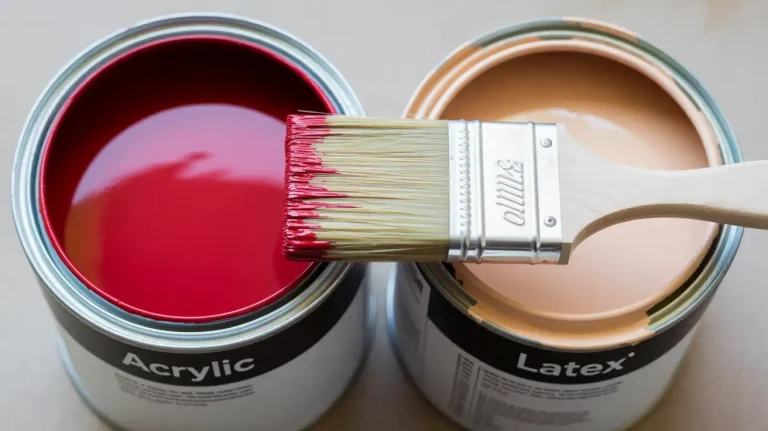
Acrylic paint is a water-based coating made with 100% acrylic resin binders. This creates a thick, flexible film that withstands harsh conditions better than other types of paint.
The acrylic resin gives this paint type superior adhesion to most surfaces. It bonds to wood, metal, concrete, stucco, and brick without needing special primers in most cases.
Key characteristics of acrylic paint:
- Contains pure acrylic polymers as the binding agent
- Creates a more elastic paint film than latex
- Resists moisture, mold, and mildew growth
- Protects against UV radiation and sun damage
- Takes 4-6 hours between coats to dry properly
- Costs $20-$80 per gallon depending on brand and quality
Most professional painters prefer brands like Sherwin-Williams Duration or Benjamin Moore Aura for exterior acrylic paint. These formulations include built-in mildew resistance and UV blockers that extend the life of your paint job by 3-5 years compared to cheaper options.
In San Diego’s coastal climate, acrylic exterior paint typically lasts 10-15 years on properly prepared surfaces. We’ve seen premium acrylic formulations maintain their color and finish for over 12 years on homes near the coast where salt air accelerates paint breakdown.
When Is Acrylic Painting the Right Call for the Job?
Acrylic paint performs best in environments where paint faces constant stress from weather, moisture, or temperature swings.
Best applications for acrylic paint:
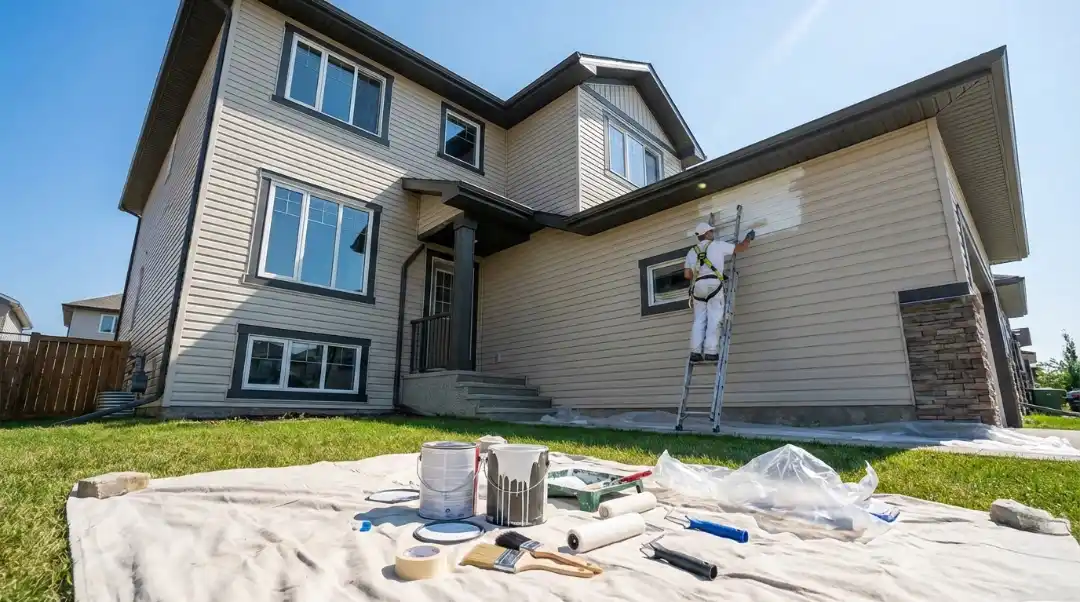
- Exterior surfaces – Siding, trim, doors, and railings exposed to sun, rain, and temperature changes. The paint’s flexibility prevents cracking when wood expands in summer heat or contracts in winter cold.
- High-humidity interiors – Bathrooms, kitchens, laundry rooms, and basements where moisture levels stay elevated. Acrylic’s water resistance stops paint from bubbling or peeling when steam hits the walls daily.
- High-traffic areas – Hallways, commercial spaces, and rental properties that need durable finishes. The tougher paint film resists scuffs and marks better than standard latex.
- Metal and glossy surfaces – Acrylic adheres to previously painted surfaces and metal without heavy surface prep. This saves time on repaints where the old finish is still in good condition.
For a typical 2,000 square foot San Diego home exterior, expect to pay $4,800-$8,500 for professional acrylic paint application. This includes surface prep, two coats of premium acrylic, and all labor costs.
The investment pays off when you consider acrylic exterior paint won’t need repainting for 10-12 years. That’s 3-5 years longer than cheaper paint alternatives would last in our coastal environment.
What Is Latex Paint?
Latex paint is a water-based coating made from synthetic polymers mixed with pigments and water. Despite the name, modern latex paint contains no actual rubber or latex materials.
The synthetic binder in latex paint creates a thinner, more porous film compared to acrylic. This makes latex easier to apply and faster to dry, but less durable in harsh conditions.
Key features of latex paint:
- Made with vinyl or acrylic polymer blends (not 100% acrylic)
- Dries to touch in 1-2 hours
- Emits lower volatile organic compounds (VOCs) than most paint types
- Cleans up easily with soap and water
- Available in more colors and finishes than acrylic
- Costs $15-$60 per gallon
Latex paint works well for interior walls because it produces minimal odor. You can paint a bedroom in the morning and sleep there the same night without strong chemical smells.
The lower VOC content makes latex paint safer for homes with children, pets, or people with respiratory sensitivities. California VOC regulations limit interior paint to 50 grams per liter, and most quality latex paints fall well below this threshold.
For interior painting projects, latex provides smooth, even coverage on drywall and plaster. The paint flows easily from brushes and rollers without leaving thick texture marks or visible brush strokes.
Best Job Types for Latex Paint (and When To Avoid It)
Latex paint excels in controlled indoor environments where extreme conditions aren’t a factor.
Ideal uses for latex paint:
- Interior walls and ceilings – Living rooms, bedrooms, dining rooms, and offices with normal humidity levels. Latex covers large drywall surfaces quickly and dries fast enough for same-day second coats.
- Low-traffic spaces – Guest rooms, formal dining areas, and other rooms that don’t see daily heavy use. The paint holds up fine when it’s not constantly touched or bumped.
- Quick turnaround projects – House flips, rental turnovers, and move-in ready sales where speed matters. Latex’s fast dry time lets you paint and list properties faster.
- Budget-conscious remodels – Basic refreshes where longevity isn’t the primary concern. Latex costs 25-40% less than premium acrylic options.
When to avoid latex paint:
Don’t use latex on exterior surfaces in coastal areas. Salt air and moisture cause latex to break down within 3-5 years, requiring frequent repainting.
Skip latex in bathrooms and kitchens unless you’re using a specific moisture-resistant formula. Standard latex paint will peel when exposed to daily steam and humidity.
Avoid latex on metal surfaces, cabinets, and furniture. The paint doesn’t adhere well to smooth, non-porous materials without extensive prep work and multiple primer coats.
For a 2,000 square foot interior repaint in San Diego, professional latex application typically costs $3,200-$5,800. This includes two coats on walls and one coat on ceilings with standard prep work.
Acrylic Paint vs. Latex Paint: Performance Differences That Matter on the Job
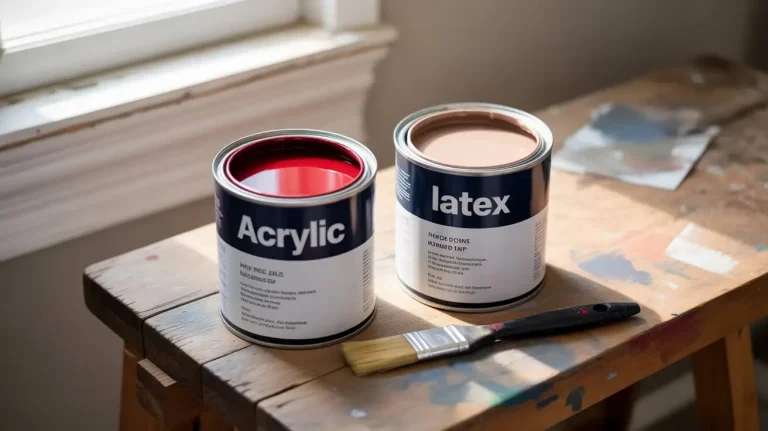
The difference between acrylic and latex paint comes down to resin concentration and how each handles real-world conditions.
Durability and lifespan
Acrylic paint lasts 10-15 years on exterior surfaces. Latex paint lasts 5-7 years outdoors and 8-10 years on interior walls. The higher resin content in acrylic creates a tougher film that resists breakdown.
Moisture and water resistance
Acrylic repels water even when fully cured. Latex is water-based and more porous, making it vulnerable to moisture damage over time. In bathrooms, acrylic prevents mold growth that would develop under latex paint within 2-3 years.
Temperature flexibility
Acrylic expands and contracts with wood and metal surfaces. Latex stays more rigid and cracks when materials shift. On a hot San Diego summer day, wood siding can expand up to 1/4 inch, and acrylic moves with it while latex would crack.
UV protection
Acrylic resists fading from sunlight exposure. Latex paint fades noticeably within 3-4 years on south-facing walls. The built-in UV blockers in acrylic maintain color vibrancy 60-70% longer than standard latex.
Application and dry time
Latex dries in 1-2 hours between coats. Acrylic needs 4-6 hours. For a full house interior, latex lets you complete two coats in one long day. Acrylic requires planning across multiple days.
VOC levels and eco-friendly ratings
Latex emits 30-40% fewer volatile organic compounds than acrylic. This makes latex the better choice for occupied homes where ventilation is limited. Both are far cleaner than oil-based paints, which emit 3-4 times more VOCs.
Adhesion to various surfaces
Acrylic bonds to almost any clean, dry surface. Latex struggles on glossy finishes, metal, and previously painted surfaces without heavy sanding or chemical stripping.
Cost difference
Premium acrylic costs $50-$80 per gallon. Quality latex runs $30-$50 per gallon. For a typical exterior paint job, acrylic adds $800-$1,200 to your total project cost but lasts twice as long.
Can You Paint Latex Over Acrylic?
Yes, you can paint latex over acrylic without problems. Both are water-based paints that bond well together.
The key is proper surface preparation. Clean the acrylic surface thoroughly and lightly sand with 220-grit sandpaper. This creates a tooth for the new latex paint to grip.
You don’t need a special primer when painting latex over fully cured acrylic. The existing acrylic acts as a primer layer. Just make sure the old paint is clean, dry, and free from peeling or flaking.
Can You Paint Acrylic Over Latex?
Acrylic adheres well to existing latex paint. The process is the same clean the surface and do a light sanding for better adhesion.
Many painters switch from latex to acrylic on previously painted interiors when upgrading bathrooms or kitchens. The acrylic provides better moisture protection without removing the old latex paint.
One caution about mixing paint types:
Never mix acrylic and latex paint together in the same can. While they’re both water-based, the different resin formulations don’t blend properly. The mixture can separate, dry unevenly, or create a finish that performs worse than either paint alone.
If you’re switching paint types mid-project, finish the current section with your original paint. Start the new paint type in a different area or on a different day.
How to Pick the Best Paint for Your Surface and Job Type
Choose your paint type based on where you’re painting and what conditions the surface will face.
For exterior painting projects:
Use acrylic paint on all outdoor surfaces. The extra cost ($20-30 per gallon) prevents premature failure and saves money over time.
Wood siding, stucco, and trim need acrylic’s flexibility. Temperature swings in San Diego can reach 40-50 degrees between night and day, causing materials to expand and contract constantly.
Metal surfaces like railings, doors, and window frames require acrylic for proper adhesion. Latex peels off metal within 6-12 months in most cases.
For interior walls and ceilings:
Latex paint works perfectly for bedrooms, living areas, and offices. The lower cost and easier application make it the smart choice for large wall surfaces.
Choose acrylic for bathrooms, kitchens, and laundry rooms. These spaces need moisture resistance that standard latex can’t provide.
For trim, doors, and cabinets:
Acrylic or acrylic latex paint creates more durable finishes on woodwork and cabinets. These surfaces get touched, bumped, and cleaned regularly.
A semi-gloss or satin sheen in acrylic resists scuffs and wipes clean without leaving marks. Latex paint in flat or eggshell finishes shows every fingerprint and scuff mark.
For previously painted surfaces:
Test a small area first. Paint a 12-inch square and let it cure for 3-4 days. Try to peel or chip the new paint. If it holds firm, you’re good to proceed.
If the test area fails, the surface needs better prep. Remove loose paint, sand rough areas, and apply a bonding primer before your finish coats.
Brand recommendations for San Diego homes:
- Premium acrylic: Sherwin-Williams Duration, Benjamin Moore Aura, Dunn-Edwards Evershield
- Mid-range acrylic: Behr Premium Plus Ultra, PPG Timeless
- Quality latex: Sherwin-Williams SuperPaint, Benjamin Moore Regal Select
- Budget latex: Behr Premium Plus, Valspar Ultra
Conclusion: Acrylic versus Latex Paint
The choice between acrylic and latex paint depends on your project location and budget. Acrylic costs more upfront but lasts twice as long on exterior surfaces and moisture-prone areas. Latex saves money on interior walls where conditions stay stable.
For San Diego homeowners, we recommend acrylic for all exterior painting and any interior spaces with high humidity. The coastal climate demands paint that handles salt air and temperature changes without breaking down.
At San Diego Custom Painting, we’ve completed over 500 residential and commercial projects using both paint types. Our interior painting and exterior painting services in San Diego include detailed surface prep and premium paint application that protects your investment for years to come.
Ready to choose the right paint for your project? Contact us for a free consultation and detailed estimate. We’ll assess your surfaces, explain your options, and deliver a paint job that lasts.
FAQs About Acrylic vs Latex Paint
Which is more durable, latex or acrylic paint?
Acrylic paint is more durable. It lasts 10-15 years on exterior surfaces compared to 5-7 years for latex. The higher acrylic resin content creates a tougher, more flexible film that resists cracking, peeling, and moisture damage.
Is acrylic paint water-based?
Yes, acrylic paint is water-based. It uses water as the carrier for acrylic resin and pigments. This makes cleanup easy with soap and water, just like latex paint. The term “water-based” is often confused with quality, but acrylic is actually more durable than standard latex despite both being water-based.
Can you use latex paint on exterior surfaces?
You can use latex paint outdoors, but it won’t last as long as acrylic. Outdoor latex paint typically needs repainting every 5-7 years versus 10-15 years for acrylic. In coastal areas like San Diego, latex breaks down even faster due to salt air and humidity.
What is latex paint used for?
Latex paint is used for interior walls, ceilings, and low-traffic areas. It works well in bedrooms, living rooms, dining rooms, and offices where moisture and temperature stay stable. The fast dry time and low odor make it ideal for occupied homes.
Is acrylic paint the same as latex?
No, acrylic paint and latex are different. True acrylic contains 100% acrylic resin binders. Latex uses a blend of vinyl or lower-grade acrylic polymers. Some paints labeled “acrylic latex” fall somewhere in between, but pure acrylic always outperforms standard latex in durability.
Which paint type is more eco-friendly?
Latex paint is slightly more eco-friendly. It emits 30-40% fewer volatile organic compounds (VOCs) than acrylic paint. Both are much cleaner than oil-based paints. For the lowest environmental impact, look for paints labeled zero-VOC or low-VOC in either category.
How long does acrylic paint take to dry?
Acrylic paint dries to touch in 2-4 hours and needs 4-6 hours between coats. Full cure takes 14-30 days depending on temperature and humidity. Don’t rush the drying process – proper cure time ensures maximum durability and adhesion.
Can I mix acrylic and latex paint together?
Don’t mix acrylic and latex paint in the same container. The different resin formulations don’t blend properly and can separate or dry unevenly. You can paint one over the other, but never combine them in a single can.

Mark Sullivan
Mark Sullivan is a seasoned expert in the residential and commercial painting industry, with over 27 years of experience transforming homes across San Diego. His deep understanding of color, finishes, and surface preparation allows him to deliver exceptional results on every project. Mark is passionate about sharing practical painting advice, maintenance tips, and design insights that help homeowners make confident decisions. His expertise and dedication to quality are reflected in every article he contributes to the San Diego Custom Painting blog.
Related Article
- All Posts
- Cabinet Painting
- Home Painting
- Home Remodeling