
Most homeowners think a faded or rusted roof means they need to spend thousands on a full replacement. It is stressful to look at a home that lost its shine while worrying about the high price of new construction. You want your home to look great and stay protected without draining your savings.
You can actually save your roof and your money by using the right coating. In this guide, we will show you how a fresh coat of paint can fix your home’s look and add years to its life. We will answer the big question: Can you paint a metal roof? We will also cover the best paints to use, the steps to do it right, and the real costs you should expect this year.
Table of Contents
ToggleWhy Paint a Metal Roof?
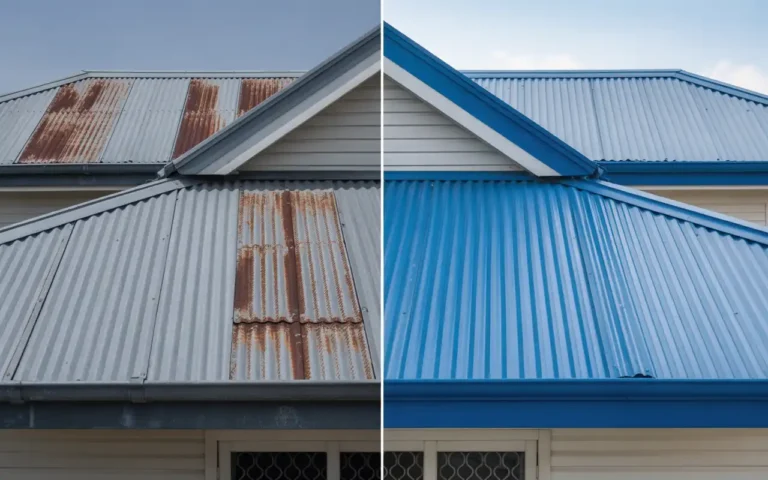
Painting your metal roof does more than just improve curb appeal. Here are the main benefits homeowners see:
- Energy Savings Through Reflective Coating: Light-colored paint reflects sunlight and reduces heat absorption. Your attic stays cooler in summer, which means your air conditioner works less. Homeowners report energy savings of 10-25% with reflective roof coatings. Dark colors do the opposite, absorbing heat if you live in a cold climate and want to reduce heating costs.
- Protection Against Rust and Corrosion: Metal roofs naturally develop rust over time, especially in humid or coastal areas. A quality coat of paint creates a protective barrier that seals the metal surface. This prevents moisture from reaching the bare metal and slows down corrosion. Galvanized metal and steel roofs benefit most from this protection.
- Extended Roof Lifespan: A proper paint job can add 10-15 years to your roof’s life. The paint shields the metal from UV rays, rain, snow, and other weather damage. This delays the need for expensive roof replacement. When you consider that a new metal roof costs $8,000-$25,000 for an average home, painting at $2,000-$5,000 makes financial sense.
- Improved Aesthetic Appeal: A fresh paint job transforms your home’s exterior. You can update the color to match new siding, create better contrast with trim, or simply refresh a faded surface. This matters if you plan to sell homes with updated exteriors often to get better offers.
Can You Paint a Metal Roof? Exploring the Possibilities
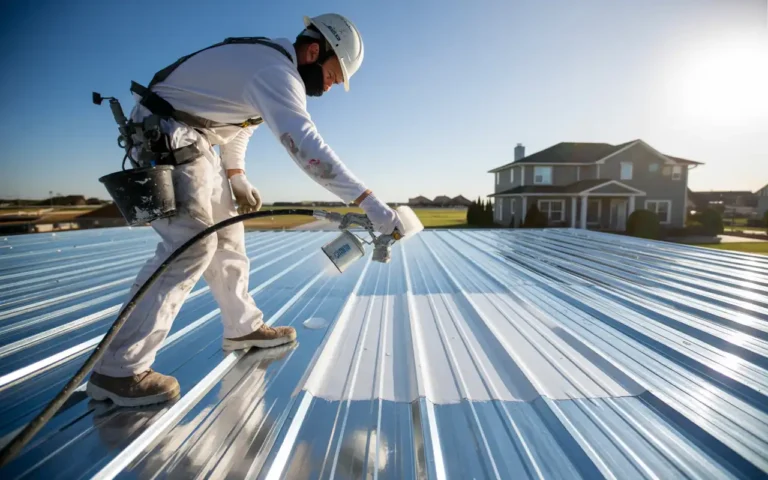
The short answer is yes. Most metal roofs can be painted successfully. Standing seam, corrugated, and aluminum roofs all take paint well when properly prepared. The key is using the right materials and following correct preparation steps.
What Metal Roof Types Can Be Painted?
Almost all residential metal roofing accepts paint:
- Galvanized steel roofs (most common)
- Aluminum roofs
- Corrugated metal panels
- Standing seam metal roofs
- Tin roofs
The only exception is brand-new metal roofs with factory coatings still under warranty. Painting these might void your warranty, so check your paperwork first.
When Painting Makes Sense
Paint your metal roof if you notice:
- Fading or chalking of the original finish
- Signs of rust or early corrosion
- Chipping or peeling of old paint
- Color that no longer matches your home
- Energy bills that seem too high
If your roof has major structural damage, holes, or severe rust that’s eaten through the metal, painting won’t fix these problems. You need repairs first, or possibly replacement.
Real Cost Breakdown
Here’s what painting a metal roof actually costs:
DIY Project:
- Metal roof primer: $80-$150 (2-3 gallons)
- Acrylic latex or oil-based paint: $200-$400 (4-6 gallons)
- Pressure washer rental: $40-$80 per day
- Wire brush, sandpaper, cleaning supplies: $30-$60
- Safety equipment (harness, non-slip shoes): $100-$200
- Paint sprayer rental: $50-$100 per day
- Total DIY cost: $500-$1,000 for a 1,500 sq ft roof
Professional Installation:
- Labor and materials: $2,000-$5,000 for average home
- $1.50-$3.50 per square foot is typical
- Premium reflective coatings: add $500-$1,500
- Total professional cost: $2,500-$6,500 for most homes
The paint job lasts 10-15 years with proper maintenance, making it far cheaper than roof replacement.
How to Paint a Metal Roof: Complete 10-Step Process
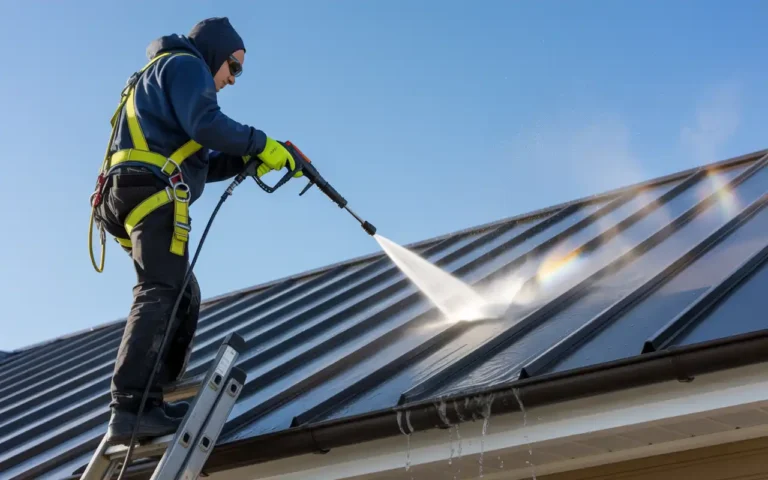
Painting a metal roof requires careful prep work. Rush this part, and your paint will peel within a year. Follow these steps for lasting results.
Step 1: Choose the Right Weather Window
Plan your project for dry weather with temperatures between 50-85°F. After painting, you need at least 48 hours of dry weather. Stay away from humid days or really hot weather, which might change how paint sticks. Most places have the best weather in late spring and early fall.
Step 2: Gather Your Materials and Tools You’ll need:
- High-quality metal roof primer (rust-inhibiting formula)
- Acrylic latex paint or oil-based alkyd paint rated for metal surfaces
- Pressure washer or garden hose with spray nozzle
- Wire brush and medium-grit sandpaper (80-120 grit)
- Paint sprayer, roller, or brush (sprayer works best)
- Safety harness, non-slip shoes, and protective eyewear
- Cleaning solution (biodegradable cleaner mixed with water)
- Drop cloths to protect landscaping
Step 3: Inspect and Repair Damage
Walk your roof carefully and look for problems. Check for loose panels, missing fasteners, cracks, or holes. Fix these issues before painting. Small holes can be patched with metal repair tape or roofing cement. Replace severely damaged panels. This step prevents paint from hiding problems that will get worse over time.
Step 4: Remove Dirt, Debris, and Old Paint
Clean the roof thoroughly using a pressure washer on medium setting (1,500-2,000 PSI). Start at the roof peak and work downward. This removes dirt, mold, mildew, and loose paint flakes. For stubborn stains, apply biodegradable cleaner, scrub with a stiff brush, then rinse well. Let the roof dry completely and wait at least 24 hours in sunny weather.
Step 5: Remove Rust and Sand The surface
Rust spots need special attention. Use a wire brush to scrub away all visible rust until you see clean metal. For larger rust areas, use sandpaper or a power sander. The goal is creating a smooth surface where paint can grip. Don’t skip this step even on small rust spots; they’ll spread under new paint if not removed.
Step 6: Apply Rust-Inhibiting Primer
Primer is not optional. It helps paint stick and prevents future rust. Choose a high-quality primer designed for metal roofing. Apply a thin, even coat using a paint sprayer for best results. Pay extra attention to seams, fasteners, and any spots where you removed rust. These areas are prone to corrosion. Let the primer dry according to manufacturer instructions usually 24-48 hours.
Step 7: Apply First Coat of Paint
Use either acrylic latex or oil-based paint made specifically for metal roofs. Acrylic latex dries faster and cleans up with water. Oil-based paint provides slightly better durability and weather resistance. Apply paint in thin, even coats using a sprayer for large areas. Use a brush for edges, seams, and around vents. Don’t apply thick coats; they’ll drip and peel.
Step 8: Let It Dry and Apply Second Coat
Wait at least 24 hours before applying the second coat. In humid conditions, wait 48 hours. The paint should feel completely dry to the touch. Apply the second coat just like the first thin and even. Two thin coats outlast one thick coat every time.
Step 9: Seal Seams and Fasteners
After the final paint coat dries, apply metal roof sealant to seams, joints, and around fasteners. These areas collect moisture and develop leaks. Use a brush to apply silicone or polyurethane-based sealant. This extra step prevents water damage and extends your paint job’s life.
Step 10: Clean Up and Inspect
Take down all the drop cloths and clean your tools right away. Walk around the roof one more time to see if there are any spots you missed or areas that are too thinly covered. While you still have paint mixing, fix these spots.
Choosing the Best Paint for Metal Roof
Not all paint works on metal roofs. The wrong choice leads to peeling and wasted money.
- Acrylic Latex Paint: This water-based option is popular for good reasons. It resists fading from UV rays, flexes with temperature changes, and dries quickly. Cleanup is easy with soap and water. Most professional painters recommend 100% acrylic formulas over acrylic blends. Expect to pay $40-$80 per gallon for quality acrylic latex.
- Oil-Based Alkyd Paint: Oil-based paint creates a harder finish that stands up to wear and tear better than latex. It takes longer to dry but provides excellent weather resistance. The downside is cleanup requires paint thinner, and oil-based paint releases more fumes. Use this option if your roof faces harsh weather or extreme temperature swings.
- Reflective Roof Coatings: These specialized coatings reflect up to 85% of sunlight. They work best in hot climates where cooling costs are high. Reflective coatings cost more $60-$100 per gallon but the energy savings can offset the price over time. Many come with built-in primer, which saves a step.
Common Mistakes to Avoid
Learn from others’ errors and skip these problems:
- Painting Over Rust: Never paint over visible rust. It continues spreading under the paint and causes premature failure. Always remove rust completely with a wire brush before priming.
- Skipping Primer: Some people try to save money by skipping primer. This always backfires. Without primer, paint doesn’t bond properly to metal. Your paint job might fail within a year.
- Painting in Wrong Conditions: Painting in cold, hot, or humid weather causes adhesion problems. The paint might look fine at first but will peel or bubble later. Always check weather forecasts and stick to the 50-85°F range.
- Using Interior Paint: Interior paint isn’t designed for UV exposure or temperature extremes. It will fade and fail quickly outdoors. Only use paint specifically rated for exterior metal surfaces.
- Applying Thick Coats: Thick paint runs, drips, and takes forever to dry. It also cracks as it ages. Multiple thin coats always outperform one heavy coat.
Maintenance Tips for a Painted Metal Roof
Your paint job will last longer with simple upkeep:
- Clean Twice Yearly: Remove leaves, branches, and debris every spring and fall. Use a soft brush or leaf blower. Built-up organic matter holds moisture against the paint, which leads to mildew and premature wear.
- Inspect for Damage: Check your roof annually for any signs of rust, chipping, or peeling paint. Catch small problems early before they spread. Look especially at seams, valleys, and around penetrations like vents and chimneys.
- Touch Up Paint Chips: Small chips happen from falling branches or hail. Touch these up promptly using leftover paint. Clean the area, apply primer if needed, then paint. This prevents rust from starting in bare spots.
- Trim Overhanging Branches: Tree branches that rub against your roof damage the paint. They also drop leaves and hold moisture. Keep branches trimmed back at least 6 feet from your roof.
- Clean Gutters Regularly: Clogged gutters overflow and let water sit on your roof edge. This damages paint and causes rust. Clean gutters at least twice yearly, or install gutter guards.
DIY vs. Hiring a Professional
People often ask themselves if they should paint their own metal roof. You can save a lot of money if you are okay with heights and have the correct tools. You will need a pressure washer, a sprayer, and safety gear. But a professional has the experience to find problems that you might not see. They can also get industrial-grade finishes that aren’t always easy to find at hardware stores.
If your roof is high or very steep, the savings aren’t worth the risk of falling. A professional team can finish a house in two days, but if you do it yourself, it can take several weekends. Before you make a choice, think about how good you are at what you do and how much spare time you have.
Final Thoughts
Painting a metal roof makes financial sense for most homeowners. The project costs a fraction of roof replacement while delivering real benefits: better energy efficiency, rust prevention, and improved curb appeal. Whether you choose the DIY route or hire professionals like San Diego Custom Painting for exterior painting services in San Diego, the investment pays off through lower energy bills and extended roof life.
The key to success is proper preparation, cleaning thoroughly, removing all rust, applying quality primer, and using paint designed for metal surfaces. Take your time with prep work, choose ideal weather conditions, and apply thin coats. Your paint job will then last 10-15 years with basic maintenance.
Ready to transform your metal roof? Start by inspecting your current roof condition, getting quotes if hiring out, or gathering materials if going DIY. A weekend of work or a few thousand dollars buys you a roof that looks great and performs better for years to come.
FAQs About Painting a Metal Roof
Can you paint a metal roof yourself?
Yes, with the right tools and safety equipment. DIY projects work best on roofs with gentle slopes and manageable sizes. You’ll need a pressure washer, primer, quality metal paint, and safety gear. The project takes 3-5 days for an average home. Steep or complex roofs are better left to professionals.
How long does paint last on a metal roof?
A properly applied paint job lasts 10-15 years. This depends on paint quality, surface preparation, climate, and maintenance. Harsh weather shortens lifespan, while regular cleaning and touch-ups extend it. Reflective coatings in hot climates may last slightly longer due to less UV damage.
What type of paint works best for metal roofing?
Acrylic latex paint and oil-based alkyd paint both work well. Acrylic latex is easier to apply and clean up, making it popular for DIY projects. Oil-based paint provides slightly better durability. Both must be rated for exterior metal surfaces with UV protection. Reflective coatings work best in hot climates.
Do you need to prime a metal roof before painting?
Yes, primer is required. Metal roof primer helps paint adhere properly and prevents rust. Use a rust-inhibiting primer designed for metal surfaces. This step is especially critical on older roofs or areas where you’ve removed rust. Skipping primer leads to paint failure within 1-2 years.
How much does it cost to paint a metal roof?
DIY projects cost $500-$1,000 for materials and equipment rental on an average 1,500 square foot roof. Professional painting runs $2,000-$5,000, or $1.50-$3.50 per square foot. Larger roofs, complex designs, and premium coatings increase costs. This still costs 60-80% less than roof replacement.
Can you paint over a rusty metal roof?
You must remove rust first before painting. Paint applied over rust will peel as the rust continues spreading underneath. Use a wire brush to scrub away all visible rust until clean metal shows. Then apply rust-inhibiting primer before painting. Severely rusted roofs may need panel replacement rather than painting.
What temperature is best for painting a metal roof?
Paint between 50-85°F for best results. Avoid extreme heat or cold, which affects how paint adheres and dries. You also need dry conditions for 24-48 hours after painting. High humidity causes problems too. Late spring and early fall typically offer ideal painting weather in most areas.
How often should you repaint a metal roof?
Plan to repaint every 10-15 years under normal conditions. Harsh climates with extreme sun, salt air, or severe weather may require repainting every 7-10 years. Regular maintenance like cleaning and touch-ups extends the time between full repaints. Inspect your roof annually to catch problems early.
Will painting a metal roof void the warranty?
It depends on your roof’s age and warranty terms. New metal roofs with factory coatings often include 20-40 year finish warranties. Painting over these coatings typically voids the warranty. Check your warranty documents before painting. Roofs past their warranty period can be painted without concern.
Can you change the color of a metal roof with paint?
Yes, painting lets you completely change your roof’s color. You can go from dark to light, light to dark, or switch colors entirely. Light colors work best for energy savings in hot climates. Dark colors help in cold regions. The surface preparation matters more than the color change itself.