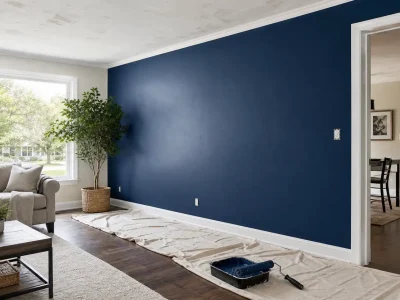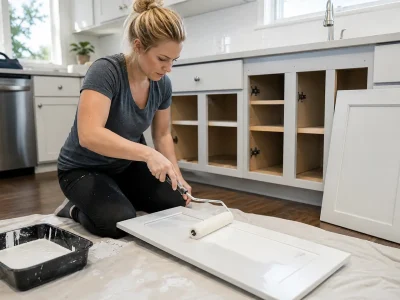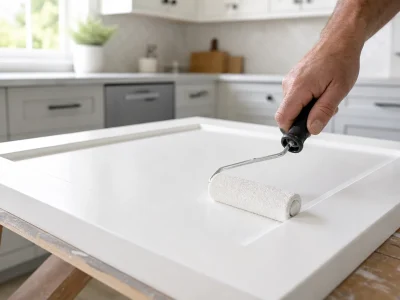

Considering redoing your living space with fresh coats of paint, one of the very initial queries is bound to be “How does it cost to paint a room?” It is not as simple as selecting your favoured colour. A variety of things affect the final cost: your room size, good quality of paint, condition of the wall surface, variety of layers you go for, along with whether you select DIY work or employ experts to paint.
The average price homeowners usually pay for one space is about $400-1,600 dollars with professional help.
Table of Contents
ToggleTiny rooms can cost $300 whereas areas which demand for extra work, with higher ceiling costs about $1,600, so much more. Understanding average cost can help avoid unforeseen budget costs which are very common, especially with home improvement projects. It will consist of every component, so check these costs out: Cost of room, associated with 2 coats painting service, labour as well as more which are relevant to the total rate of any specific area.
How Much Does It Cost to Paint a Room?
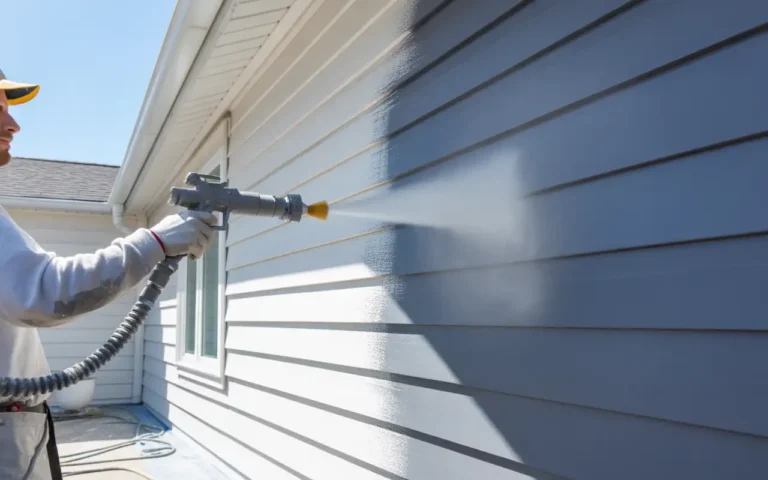
Here’s a general guideline of what the average professional interior painting job costs per room, although this varies greatly depending on the size and condition of the room.
The table below talks about cost of professional indoor painting:
- Small room (up to 100 sq.Ft.), approximately cost $300 – $400
- Medium room (approx 200 sq. Ft.), price $600-800
- Large room (more than 400 sq.ft. Height, $1,200 – $1,600)
The price differs per square foot of any specific place, dimensions or the level of labor related.
Factors impacting room size and cost Room size Cost small bedroom up to 100 sq ft $300 – $400
How Painters Calculate the Cost to Paint a Room
Most interior house painters use one of three methods of costing the painting work-by square foot, by the room, or by the labor involved.
Pricing by Square Foot
Most painting contractors charge between $2 and $6 per square foot for an interior painting job, depending on what the job entails. While painting only walls might cost less to do than walls, ceilings, trim, doors, etc.
The more complex the surfaces are, like high ceilings, texture walls, and additional preparation needed can increase the painting cost.
Painting Prices Per Room
Most painters provide a flat rate for the painting job based on the complexity and the size of the room.
Here are some estimated price ranges for rooms:
- Small bathroom: approximately $120–$200
- Standard bedroom: approximately $600–$1,200
- Medium or large living room: approximately $900–$1,600
A flat room price can make budgeting easier because you know the approximate cost before work begins.
Labor Cost to Paint a Room
The labor cost for painting a room is a large part of the overall cost of the job. The cost is much more than just applying paint to the walls.
The painting professional will take into consideration several of these elements:
- Relocation or coverage of furnishings
- Covering of all floors and fixtures
- Filling in cracks and holes in the walls
- Sanding walls, trim, and fixtures if needed
- Application of primer or “first coat”
- Multiple coats may be required for your room
- Detailing of trim and any architectural elements
- Cleanup after the job is completed
Painters typically charge an hourly rate of $50 to $100 per hour for labor, though the exact price varies based on location, painter experience, and how labor-intensive your specific painting job is.
What Type of Paint Affects the Room Painting Price?
The type and quality of the paint you use will affect the room painting cost you expect. While the initial expense is high, you’ll see coverage of better paint with an increased life span.
Types of Paints:
Latex Paint
Latex paint or watercolor paint is extremely favorite for most interior rooms.
It has a reasonably brief drying time, ease of cleanup and does well around the house, including; rooms in the house, family, and workplaces.
A can cost roughly $15 to $50, the paint price is about the quantity in terms of size as well as quality.
Oil-Based Paint
Oil-Based Paint Known for strength, oil paints can easily be used on trims in addition to doors and walls and will resist wear nicely.
They don’t just last a prolonged time but take even longer to dry than water-colored ones. It comes with about $20-$60 on the price.
Premium Paint
Premium cans, ranging around $50-$70 each can or a higher amount, will have an initial high cost but then provide greater protection for rooms.
How Primer Affects the Cost to Paint a Room
Primer can be a helpful addition to an interior painting job. It’s particularly useful for covering dark colors, painting new drywall, or concealing stains.
Latex Primer
Latex primers can be used on many interior surfaces and, in general, dry quickly with a minimum of odor. They usually cost between $15-$60 a gallon.
Oil-Based Primer
Oil-based primers are appropriate for wood, metal, and any surface with stains or other troublesome conditions. They typically cost between $25-$70 a gallon.
Shellac Primer
Shellac primers can be beneficial for stains and odors that pose a significant challenge. They are estimated to cost between $30-$80 per gallon.
While primer can increase your initial job expenses, preparing a room properly can lower topcoat usage and allow it to apply evenly.
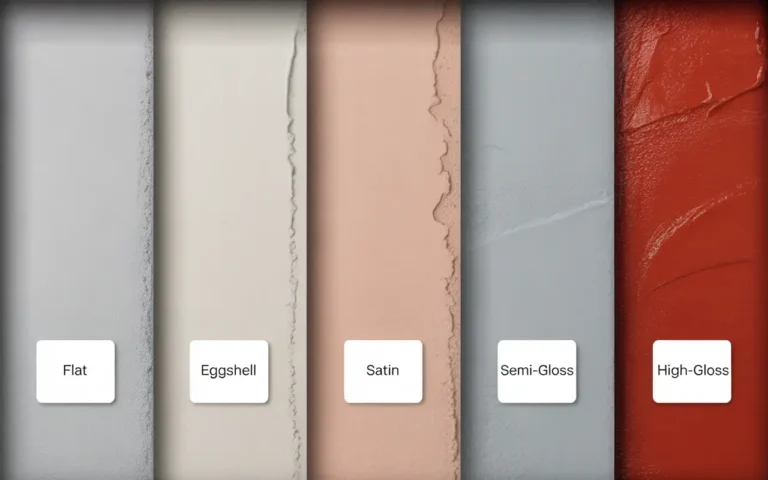
How Paint Finish Affects Painting Prices Per Room
The color or type of paint may play only a role with respect to materials costs but, with some consideration for style and durability for each room, it actually affects prices, looks, and lasting power of a painted room.
Flat Paint
Less of the light reflectivity of the flat paint means less visibility of imperfections on walls, so the best if the walls have slight damage .but less washability as compared with the others.
Eggshell Paint
Eggshell Paint has more washability compared to flat and more reflection so it is popular as well for bedrooms, living rooms and hallways.
Satin Paint
A good compromise between the looks, the durability and the washability. Good for kitchen’s, bathrooms, hallways, and children’s rooms.
Semi-Gloss Paint
This type is very good in water resistance and durability so most used for trims, doors, cabinets and anywhere where it is high use and needs easy cleanup.
High-Gloss Paint
A high gloss paint has a really shiny surface, durable too but might show small imperfections of walls – good to be used only in some cases for accents, or furniture etc.
Factors That Determine How Much It Costs to Paint a Room
Many factors combine in a total price. If you already know each factor, you could easily compare quotes.
Room Size
Large rooms call for more paint and labor than smaller rooms. A 10×10 bedroom costs considerably less than an open concept living space.
Ceiling Height
Ceiling Height standard eight-foot ceilings aren’t much of an added project, but two-story, vaulted ceilings or anything higher than eight feet means more labor, more paint, more time, and possibly additional painting equipment.
Wall Condition
Walls with holes, cracks, peeling paint, stains, or water damage require preparation before painting. Extensive repairs can increase your total project cost.
Number of Coats
Most jobs require two coats of paint to achieve even color and complete coverage. Covering dark color with light, or covering previously painted walls with a vastly different color might call for a third coat.
Trim and Architectural Details
Trim and Decorative Features Baseboards, crown molding, doors, window trim, cabinetry, built-in bookshelves, wainscoting, and moldings increase the effort required by the job.
Paint Quality
Type and Quality of Paint Quality paint offers better coverage and may be longer-lasting; this can affect the price point of your paint supplies.
Location
Your Location Labor costs vary by city and by region. You might find yourself paying significantly more or less to paint a room, depending on where you live.
How to Estimate Your Room Painting Cost
No complex interior house painting cost calculator is needed to figure out a general idea of how much your project will cost. First measure the length of the walls, their width and height, then determine the perimeter of the room. Multiply the perimeter by the height of the walls in order to find the surface area of the walls.
For example, if your room is 12′ x 12′ and has 8′ high ceilings, your wall perimeter is 48′, so wall surface area is 384 square feet.
Subtract doors and windows to gain a closer estimate Once you have estimated surface area, you can estimate paint amounts. One gallon usually covers 400 sf with one coat, but the coverage will vary on product and surface type.
This calculation is basic and gives you some perspective on the potential costs prior to getting bids from painters.
Paint and Supply Costs
The cost of paint is not the total figure. Additional supply costs include:
- Paint $20 – $70 per gallon
- Primer $15 – $70 per gallon
- Brushes and rollers
- painter’s tape
- drop cloths
- sandpaper
- spackle or joint compound
- paint trays ladders
- specialized equipment
One DIY job seems inexpensive until you itemize the list of tools and materials.
How to Lower the Cost to Paint a Room
You can’t cut corners and keep it a low-price paint job.
Prepare the Room Yourself
lf If you relocate furniture and clean the walls moving paintings to off outlet covers for your interior painting painter’s setup cost can go lower that cost should pass on to you.
Paint Multiple Rooms
Do you really have other rooms which need a color change if so please ask if house painters offer you less per room cost on a large package?
They’re saving the travel and setup on your own property.
Choose Your Paint Carefully
Your paint selection should also matter if the house painter has you do several jobs.
Low price items can necessitate more coating applications that would significantly raise your labour expense to painting your own personal room.
Compare Detailed Estimates
Request a few different bids from reputable inside painting pros and make certain what’s factored in each expense, including:
- Setup
- preparation
- priming and numerous coatings
- plus trim and wall cleanup details (walls cleaning for example).
Schedule During Less Busy Periods
Depending on your dwelling region, house-painters’ calendars often thin throughout the year.
Please inquire if a scheduled less prime season may lower the whole package cost by way of 10 or 15 % on top of cost savings from your earlier points.
Professional Painting vs. DIY
DIY painting can lower your upfront cost, but this will mean spending money on equipment and supplies and will require a lot of time and patience. A DIY room can end up costing $200-400 for materials and paint, depending on the scope of the project and type of supplies needed.
Professional painting typically runs anywhere from $400 to $1,600 per room, but this quote will include labor and materials.
When DIY May Make Sense
An uncomplicated, little room with high ceilings even when standard size very normal walls free time experience of doing basic house painting jobs.
When Hiring Professionals Is Better
When is it better for house painters?
House paint companies may be a good alternative for you, when you…
- Have very spacious rooms
- Steeped roofs
- Vaulted ceilings Room
- extensive wall treatments
- Intricate trimwork
- Lots of space you require painted
- A tight deadline
- Large change in the color of the wall
The professionals are going to maintain the paint application, material and also the cleanup well done.
What to Ask Interior House Painters Before Hiring
Before you decide to hire a professional, request a detailed, written bid. This bid should include:
- Total cost for the job
- brand and type of paint
- how many coats of paint will be needed
- Will primer be used
- any walls that will need preparation
- paint to be used on trim and ceilings
- labor cost
- when the job is estimated to be completed
- cleanup detail
Do not automatically select the bid that is cheapest; you may end up paying significantly less for lower quality work, service, or materials.
Unexpected Costs to Consider
Even the best plan has potential cost surprises.
You can run into problems in an existing paint surface like water damage, mold, damaged, damaged dry wall, or peeling paint-and that requires fixing before you paint. If you are repainting your room with a lighter make-up color over dark, you probably need more coats of paint. Any awkward, bulky furniture, damaged trim work, high- to ceilings or special finishes will add up to room painting your final estimate. Be sure to have an extra 10 – 15 percent on yourBudgetplan for extra Work.
Final Thoughts: How Much Does It Cost to Paint a Room?
What’s Your Painting project gonna cost? Overall, you can expect an interior painting job for between $400-$1,600 per room in cost depending on your home, materials, and painter experience. You need to be sure to measure your space carefully, choose your favorite paint type, and get a quote from an affordable painting service!
If you get estimates, you may get an interior painting price guide, but there is nothing better than having a professional survey you place.
Don’t hire the cheapest available house painter for this job!
FAQs About Cost to Paint a Room
How much does it cost to paint a 12×12 room?
A 12×12 room costs $430-$575 including walls, ceiling, trim, and baseboards. Painting just the walls runs $215-$505. Factors like ceiling height, wall condition, and paint quality affect the final price.
How much paint do I need for a standard room?
One gallon covers 400 square feet with one coat. Most rooms need two coats, so a 12×12 room requires 2 gallons for walls plus 1 gallon for the ceiling. Always buy extra for touch-ups.
Is it cheaper to paint myself or hire a professional?
DIY costs $200-$400 in materials but takes 2-4 days of your time. Professional painters charge $400-$1,600 but finish in 1-2 days with guaranteed results. The price difference narrows when you factor in quality and time value.
What’s the best type of paint for bedrooms?
Eggshell or satin latex-based paint works best for bedrooms. These finishes hide imperfections while remaining easy to clean. Avoid flat paint in kids’ rooms where walls need frequent washing.
How long does a professional paint job last?
Quality paint applied by professionals lasts 7-10 years in most rooms. High-traffic areas might need repainting every 5-7 years. Bathrooms and kitchens with moisture exposure may need attention sooner.
Do I need primer for every paint job?
New drywall, dramatic color changes, and stain coverage require primer. Repainting similar colors over existing paint might not need it. Primer ensures better coverage and longer-lasting results, making it worth the extra cost in most cases.
How do painters calculate their quotes?
Most painters calculate based on square footage at $2-$6 per square foot. Others charge hourly rates of $50-$100. Quotes include materials, labor, prep work, and cleanup. Get detailed written estimates before agreeing to work.
What’s the cheapest time of year to paint?
Fall and winter offer the best rates due to lower demand. You might save 10-20% compared to spring and summer prices. Interior painting isn’t affected by weather, making year-round scheduling possible.