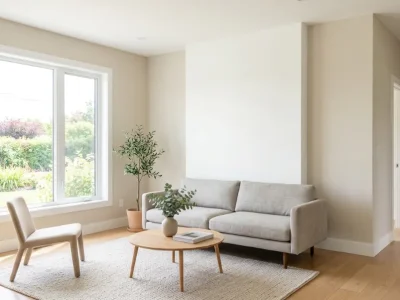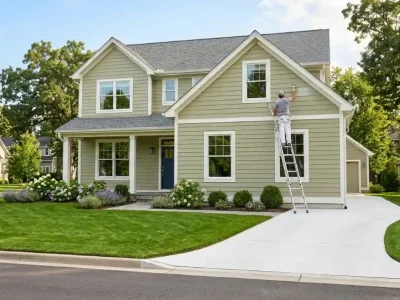

Painting an accent wall is an easy and cost-effective way to transform any room. Whether you want to add a pop of color to your living room or create a focal point in your bedroom, learning how to paint an accent wall can make a huge difference in your space. With the right materials, preparation, and steps, you can achieve a stunning look that enhances your home’s atmosphere.
In this guide, we’ll walk you through the process of choosing the right wall, selecting paint colors, preparing your space, and applying the paint for flawless results. By the end of this article, you’ll have all the knowledge you need to confidently paint an accent wall in your own home.
Table of Contents
ToggleChoosing the Right Paint Color
The first step in creating an eye-catching accent wall is selecting the perfect color. Your accent wall should complement the overall color scheme of the room, while making a bold statement. Many people choose dark color shades like navy, charcoal, or urbane bronze accent walls for dramatic effect. These tones work especially well in living rooms, bedrooms, and dining areas.
To help you choose, consider these tips:
- 60-30-10 Rule: This popular color rule divides the room into three parts 60% of the room should be your dominant color (walls and large furniture), 30% your secondary color (sofa or curtains), and 10% your accent color (the accent wall).
- Test Before You Commit: Once you’ve narrowed down your options, test a few paint samples on the wall. Observe them at different times of the day to see how the color changes with lighting.
Gathering Materials and Tools
You need the right gear before starting. Here’s what to buy:
Paint Supplies:
- 1 gallon of accent wall paint ($30-$60)
- Primer if going from dark to light ($25-$35)
- 2-inch angled brush for edges ($8-$15)
- 9-inch roller with extension pole ($15-$25)
- Paint tray and liners ($10)
Prep Materials:
- High-quality painter’s tape ($8-$12)
- Canvas drop cloths ($15-$30)
- Spackle and putty knife ($10)
- Sandpaper (120-grit) ($5)
- Cleaning supplies ($5)
Total Cost: $130-$225 for DIY
Professional painters charge $200-$400 for a single accent wall, depending on room size and prep work needed.
Preparing the Wall for Painting
Preparation takes up 80% of a professional paint job’s time because it delivers 100% of the quality. This is how we ensure your painting an accent wall project looks flawless.
Advanced Preparation for a Perfect Finish
- Clear the Space: Move all furniture at least five feet away from the wall. Remove all wall fixtures, artwork, and covers from electrical outlets and light switches.
- Clean the Wall: Gently wash the surface with a solution of mild soap and water. Dirt and dust prevent the paint from sticking properly. Let the wall dry completely.
- Repair Imperfections: Fill any nail holes or small cracks with lightweight spackling compound. Sand the area smooth with 120-grit sandpaper once dry. Wipe away the dust.
- The Primer Imperative: If you are making a dramatic change (light to dark color or vice versa), or if you patched any holes, you must spot-prime those repaired areas first. Primer ensures the finished paint has uniform coverage and sheen.
Step-by-Step Guide: How to Paint an Accent Wall
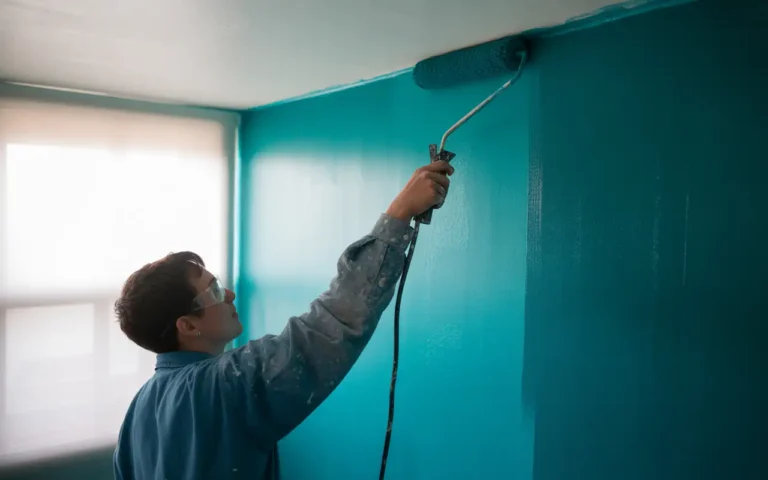
Step 1: Apply Primer (Optional)
If your wall is currently a light color and you’re switching to a dark color, applying a coat of primer will help the paint cover better. A primer also ensures that the final color looks vibrant and smooth.
Step 2: Cut in Around Edges
Start by using your angle sash brush to “cut in” around the edges of the wall. This means painting the corners and edges near the ceiling and trim. Make sure to follow the lines carefully to avoid smudging.
Step 3: Paint the Wall
Once the edges are done, use a roller to paint the rest of the wall. Apply the paint in a W pattern to ensure an even coat. For darker tones, you may need to apply two coats. Allow the first coat to dry completely before applying the second.
Step 4: Remove the Painter’s Tape
After the final coat is dry to the touch, carefully remove the painter’s tape while the paint is still a little damp. If you wait too long, the tape might peel off the paint. Pull the tape at a 45-degree angle for a crisp line.
Step 5: Touch-Up
Once the paint is dry, inspect the wall for any missed spots or imperfections. Use a small brush to fix any areas that need extra attention.
Practical Tips for a Seamless Painting Project
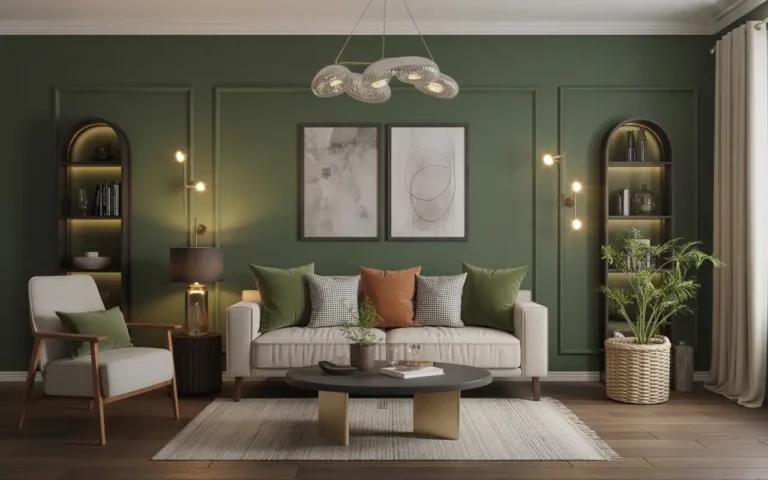
Here are some additional tips for a successful accent wall painting project:
- Choose a feature wall: The best wall to paint as an accent wall is usually one that is already a natural focal point, like the wall with the fireplace or the wall behind your bed.
- Avoid too many accent walls: Too many accent walls can overwhelm the space. Stick to one or two accent walls per room for a balanced look.
- Consider lighting: The wall’s lighting can dramatically affect how the paint color looks. Make sure your chosen accent color looks good in both natural and artificial light.
- Experiment with textures: For a unique look, try adding textured paint to the accent wall, such as a metallic finish or using tape for stripes.
Choose SD Custom Painting for Interior Painting Services in San Diego
If you’re looking to take your accent wall to the next level, or if you prefer leaving the hard work to professionals, consider hiring San Diego Custom Painting for interior painting services in San Diego. Our experienced team can guide you through selecting the right colors and provide expert application for a flawless finish. Whether it’s a bold urbane bronze accent wall or a soothing hue for your accent wall bedroom, we’re here to help.
Ready for the accent wall of your dreams without lifting a single brush? Call us today for a free, detailed quote!
Conclusion: How to Paint an Accent Wall
How to paint an accent wall is a simple but effective way to refresh any room. By choosing the right color, preparing the wall properly, and following the steps carefully, you can achieve a professional-looking accent wall without hiring a contractor. Remember to test your paint color before fully committing, and don’t hesitate to get creative with textures or patterns. The right accent wall can completely change the ambiance of a room, making it feel more dynamic and stylish.
FAQs On Painting the Accent Wall
How long does it take to paint an accent wall?
Most accent walls take 6-8 hours total, spread over two days. Day one is prep and first coat (4 hours). Day two is the second coat and cleanup (2-4 hours). Large walls or heavy prep work takes longer.
Do I need primer for my accent wall?
Primer is necessary when painting over dark colors with light paint, covering stains, or painting fresh drywall. Most quality paints now include primer. Check your paint label. Skip primer if going from light to dark colors on previously painted walls.
Which wall should I paint as an accent wall?
Paint the wall that catches your eye when you enter the room. In bedrooms, choose the wall behind the bed. In living rooms, pick the wall behind your sofa or entertainment center. Walls with fireplaces or architectural features work great as accent walls.
Can I paint multiple accent walls in one room?
Stick to one accent wall per room. Multiple accent walls look busy and confusing. The whole point is creating one focal point. If you want more color, add it through decor and furniture instead.
What’s the best paint color for an accent wall?
The best color complements your existing room colors while creating contrast. Pull colors from your rug, artwork, or throw pillows. Navy, forest green, charcoal gray, and deep burgundy are popular choices. Test samples on your wall in different lighting before deciding.
How do I get clean paint lines between walls?
Use high-quality painter’s tape and press edges firmly. Apply a thin bead of clear caulk along the tape edge before painting. This seals gaps and prevents bleeding. Remove tape while paint is still slightly tacky for the cleanest lines.