
Waiting on a painting project can feel like watching ice melt. You want a smooth, pristine finish, but touching a wet surface too soon can instantly ruin your hard work. Knowing how long does it take for spray paint to dry keeps your project moving without leaving fingerprints, smudges, or rough patches behind.
Most standard aerosol products dry to the touch within 20 to 30 minutes under ideal conditions. However, a piece of furniture or decor is not ready for heavy handling just because the wet sheen is gone. Total drying mechanics depend on paint chemistry, your material, and the air around you. Let us break down the exact timelines so you can get back to building.
Table of Contents
ToggleQuick Answer: Spray Paint Drying Times
For a fast project baseline, spray paint dries to the touch in 20 minutes, is safe to handle in 1 hour, and dries completely in 24 hours.
There is a huge difference between paint feeling dry and being fully set. The initial drying stage happens when the liquid solvents leave the surface. The final setting stage requires a deeper chemical process. If you handle an object too early, the deep layers will shift, causing the top coat to wrinkle or warp.
Paint Type | Dry to Touch | Fully Cured |
Fast-Drying Spray Paint | 5 minutes | 1–2 hours |
Acrylic Spray Paint | 15–30 minutes | 24 hours |
Epoxy Spray Paint | 30–60 minutes | 24 hours |
Rust-Oleum Spray Paint | 20–30 minutes | 24 hours |
Enamel Spray Paint | 8–24 hours | 48–72 hours |
Lacquer Spray Paint | 3 hours | 24 hours |
Oil-Based Spray Paint | 2–6 hours | 24–48 hours |
These are general estimates. Always check your specific product’s label.
Drying Times for Different Types of Spray Paint
The chemical recipe inside the can sets your timeline. Different mixtures react with air at different speeds. This matrix shows standard timelines based on a temperature of 70°F and 50% relative humidity.
Type of Spray Paint | Dry to Touch | Safe to Handle | Total Dry Time |
Fast drying spray paint | 5 minutes | 20 minutes | 2 to 4 hours |
Acrylic polyurethane | 15 to 20 minutes | 1 hour | 24 hours |
Alkyd resins (Enamel) | 20 to 30 minutes | 2 to 4 hours | 24 to 48 hours |
Epoxy formula | 30 minutes | 2 hours | 24 hours |
Lacquer coatings | 10 minutes | 30 minutes | 3 hours |
Traditional oil products take much longer to dry than water-based acrylic paints. If you use a heavy rust-preventive enamel, expect the longest wait times before the object is completely safe to touch.
Drying Times for Different Types of Surfaces
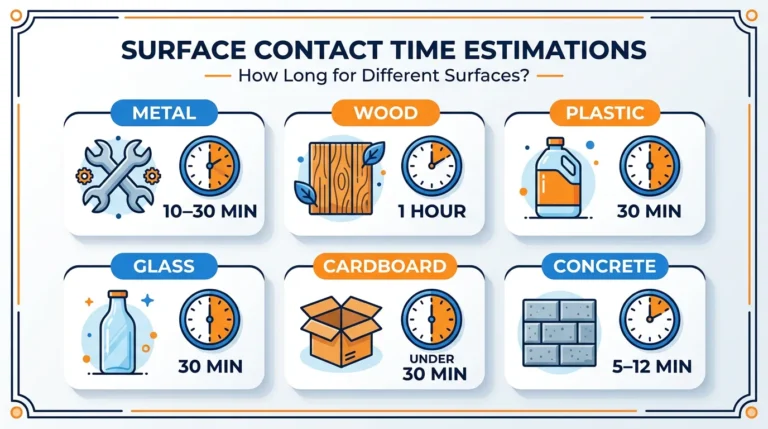
The material you’re painting changes everything. Here’s a surface-by-surface breakdown.
How Long Does Spray Paint Take to Dry on Metal?
Metal is smooth and nonporous. Paint sits on top instead of soaking in. Expect 10 to 30 minutes to feel dry to the touch. Full cure takes about 24 hours.
Clean the metal first. Grease, rust, or dust slows adhesion and drying. A metal-specific primer also helps.
How Long Does Spray Paint Take to Dry on Wood?
Wood is porous, so it absorbs paint differently. Unfinished wood dries to the touch in about 1 hour. Finished or sealed wood takes a bit longer. Full cure needs 24 hours.
Light sanding before painting helps the paint bond better and dry more evenly.
How Long Does Spray Paint Take to Dry on Plastic?
Plastic is tricky. It’s smooth, nonporous, and paint has a hard time sticking. Spray paint takes about 30 minutes to dry to the touch of plastic. Full cure needs 24 hours.
Use spray paint made for plastic. It has additives that help it stick and stay flexible without cracking.
How Long Does Spray Paint Dry Outside?
Outdoor drying depends heavily on weather. On a dry day between 65°F and 75°F, paint dries faster. On cold or humid days, it takes much longer.
Avoid direct sunlight. It sounds helpful, but sun can cause uneven drying, cracking, and blistering. A shaded, ventilated spot gives the best results.
How Long Does Spray Paint Take to Dry on Cardboard, Glass, and Concrete?
- Cardboard: Dries in 30 minutes or less. It’s very porous and absorbs paint quickly.
- Glass: Nonporous, so paint sits on top. Dries in about 30 minutes but needs careful handling.
- Concrete: Can dry in as little as 5 to 12 minutes per coat, depending on product and conditions.
You may also want to read this: How Long Does Spackle Take to Dry?
Factors That Impact Spray Paint Drying Time
Knowing what slows paint down helps you plan your project better.
- Temperature: The sweet spot is 50°F to 80°F. Cold air slows drying and can cause cracking. Heat above 90°F causes uneven drying and blistering.
- Humidity: High humidity is the biggest enemy of spray paint. Moisture in the air slows the drying process a lot. Aim for 40% to 50% relative humidity. Use a dehumidifier indoors when needed.
- Airflow: Good air circulation moves moisture away from the surface. Open windows or set a fan nearby. Don’t point it directly at wet paint; it can blow dust onto the surface.
- Coat thickness: Thin coats dry in minutes. Thick coats trap moisture inside and can stay tacky for hours or even days.
- Surface texture: Porous surfaces absorb paint faster. Smooth, sealed surfaces hold paint on top, which takes longer to dry.
How to Make Spray Paint Dry Faster
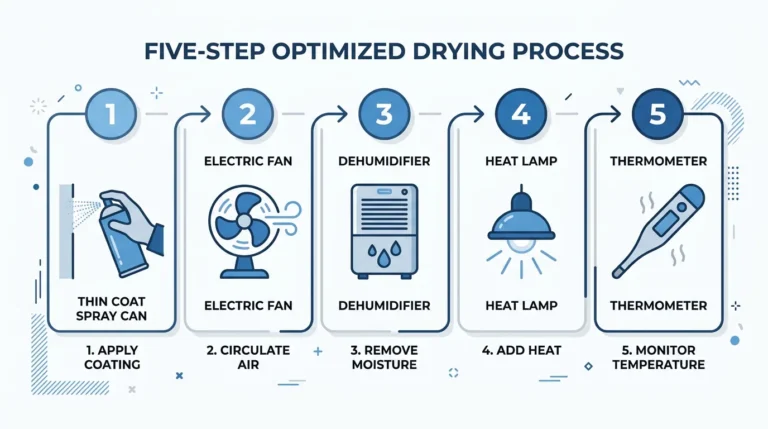
These tips genuinely work and won’t damage your finish.
Apply thin coats. This is the most important tip. Two thin coats always beat one thick coat in finish quality and dry time.
Increase airflow. Set a fan nearby at low speed. It helps moisture escape from the paint surface faster.
Run a dehumidifier. Especially useful when painting indoors in summer. Pulling moisture from the air speeds things up noticeably.
Choose fast dry spray paint. Brands like Rust-Oleum 2X Coverage or Krylon ColorMaxx dry faster than standard formulas without sacrificing quality.
Use a heat lamp. For small projects, a heat lamp or hair dryer on a low-heat setting helps. Keep it moving so you don’t overheat one area.
Warm the room slightly. A warmer room (below 80°F) helps paint dry faster without causing problems.
Determining When the Spray Paint is Completely Dry
You cannot always rely on your eyes to check a finish. A glossy coat might look wet when it is totally dry, while a flat finish can look dry while still soft.
First, look for the flash time. This is the moment the wet, liquid shine turns into a duller, stable finish. Once the flash window passes, use a tactile check. Find a hidden spot on the bottom or back of your object. Lightly press your fingertip against the surface. If the area feels sticky, or if it leaves a fingerprint, it needs more time. A perfectly dry surface feels smooth, firm, and completely free of tackiness. There should be no lingering chemical smell coming from the item.
Spray Paint Drying Time vs. Curing Time: What's the Difference?
This is where most people go wrong.
- Dry to the touch means the surface feels solid. You can handle it carefully without smearing it. But the paint hasn’t hardened fully yet.
- Fully cured means the paint has reached its maximum hardness. It can handle daily use, cleaning, and wear without damage.
Paint can feel dry in 20 minutes and still not be fully cured for 24 to 72 hours. Using or stressing the surface before full cure causes scratches, dents, and peeling that could have been avoided.
Always check both the dry time and the cure time on your product label. How long does it take for spray paint to dry completely comes down to which definition you mean and both matter.
Common Mistakes That Slow Drying
- Applying too much in one pass. One thick coat looks faster but creates a slow-drying, uneven layer. Always go thin.
- Painting in cold or humid conditions. These two factors cause most of the “my paint is still tacky after 24 hours” problems people experience.
- Touching too soon. Even if it feels dry, pressing the surface hard leaves fingerprints. Give it time.
- Skipping primer. Primer helps paint bond faster and dry more evenly. Skip it, and you often pay for it later with peeling or extended dry times.
- Holding the can too close. Keep the nozzle 8 to 12 inches from the surface. Too close puts down too much paint at once and causes runs.
When to Call Professionals for Your Project
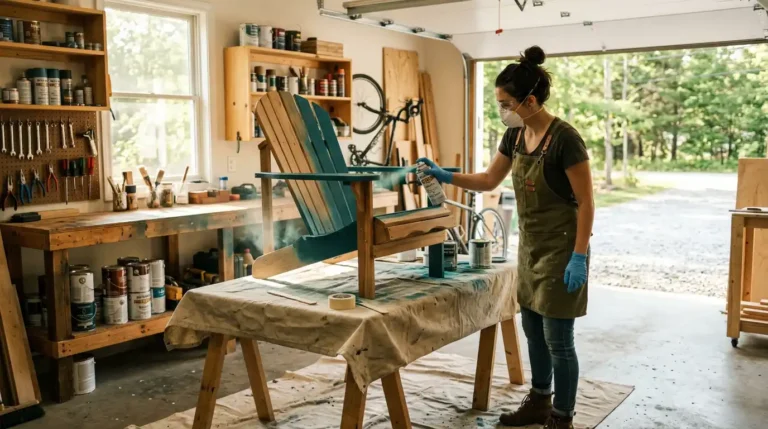
Small crafts and simple outdoor chairs are perfect for a weekend DIY project. Large home updates require a higher level of skill and professional equipment. Spraying built-in cabinets, large exterior doors, or full trim packages requires specialized airless paint systems to get a smooth, clean look.
If you want flawless results without the stress of managing dry times, weather windows, and chemical cure cycles, hiring a local crew is your best option. For high-end work, contact San Diego Custom Painting to handle your upcoming home improvement plans. Our team provides professional interior & exterior painting services in San Diego, ensuring long-lasting finishes that cure perfectly every single time. Reach out today to schedule an on-site estimate for your property.
Final Verdict
Be patient with your spray paint projects. While a fast drying spray paint can feel dry in minutes, always respect the full cure duration before using your items. Keep your coats thin, manage your room humidity, and let the chemical process work naturally for a beautiful finish.
FAQs About Spray Paint Dry Time
Why is my spray paint still sticky after 24 hours on metal?
Sticky paint happens when you apply a second coat too late or the layers are too thick. This traps solvents underneath the top skin. It can also happen if you spray on cold metal or in high humidity. Move the item to a warm, dry room with good air movement to fix it.
How long should I wait before applying a clear coat over spray paint?
Apply a clear coat within 1 hour of spraying your base color, or wait a full 48 hours. Spraying between 2 and 24 hours can cause a chemical clash. This clash causes the lower layers to lift, resulting in a wrinkled and ruined finish.
What happens if it rains 4 hours after I spray paint an outdoor metal chair?
Rain water will ruin the paint finish if it lands before the product is dry to the touch. If the paint dried for 4 hours, it is likely safe from water spots. However, the high humidity from the storm will stop the curing process until the air dries out.
Can I speed up paint drying on metal using a heat gun or hair dryer?
Do not use a heat gun or hair dryer on wet spray paint. Direct, intense heat dries the top layer too fast. This creates a hard skin that traps wet paint underneath, leading to blisters, bubbles, and cracks.
Why is my spray paint still tacky after 24 hours?
High humidity, thick coats, and cold temperatures are the most common causes. Move the item to a warmer, drier space and run a dehumidifier. Tacky paint that won’t dry often means the coat was applied too thick.
Does spray paint dry faster in the sun?
No. Direct sun causes uneven drying, cracking, and blistering. A shaded, ventilated area gives much better results.
How long does Rust-Oleum take to dry?
Rust-Oleum spray paint dries to the touch in about 20 to 30 minutes under normal conditions. Full cure takes 24 hours.
Does cold weather affect spray paint drying?
Yes, significantly. Cold slows drying and can prevent proper bonding. Keep temperatures above 50°F. In cold conditions, the paint may also crack or fail to adhere properly.