
Home / Home Painting / Can You Paint Over Polyurethane? Pro Painter Explains

Can You Paint Over Polyurethane? Pro Painter Explains

Yes, you can paint over polyurethane with the right preparation and materials. The trick to a successful paint job is understanding that polyurethane is a plastic-like, slick surface that requires you to create two types of adhesion: mechanical grip through sanding, and chemical bonding through a specialized primer. Skipping either of these steps is the single biggest reason paint fails and peels off a polyurethane surface.

As professional painters, we know that applying paint and polyurethane is tricky, but it is much faster and more cost-effective than trying to completely remove the old finish. After 27 years of painting furniture and cabinets in San Diego, I’ll show you exactly how to do it right.

What Is Polyurethane?

Polyurethane is a liquid plastic that dries into a hard, protective coat on wood surfaces. It shields furniture, cabinets, and floors from scratches, water damage, and daily wear.

You’ll find two main types:

  • Oil based polyurethane: Creates an amber-tinted, extremely durable finish. It takes longer to dry but offers superior protection for high-traffic areas.
  • Water based polyurethane: Dries clear and has less odor. It dries faster than oil based versions but may need more coats for the same protection.

Both types create a slick, glossy surface that repels liquids including paint. That’s why painting over urethane requires special preparation steps.

Can You Paint Over Polyurethane?

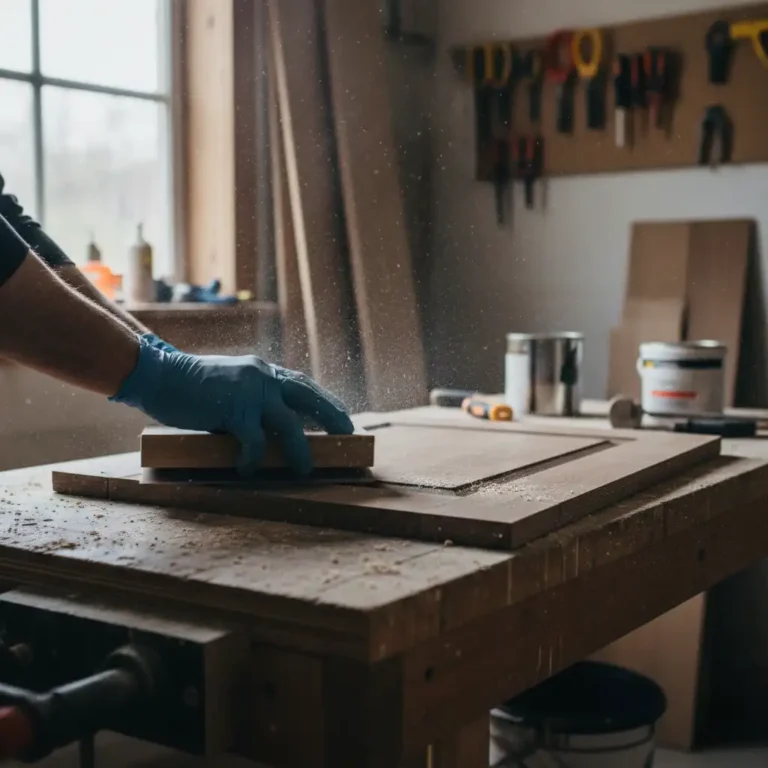
Can You Paint Over Polyurethane – person sanding a glossy polyurethane-coated wooden surface to prepare it for painting

Yes, but success depends entirely on surface prep. The polyurethane coating creates a non-porous barrier. Paint needs texture to grip onto. Without proper sanding and priming the surface, your new paint will slide right off.

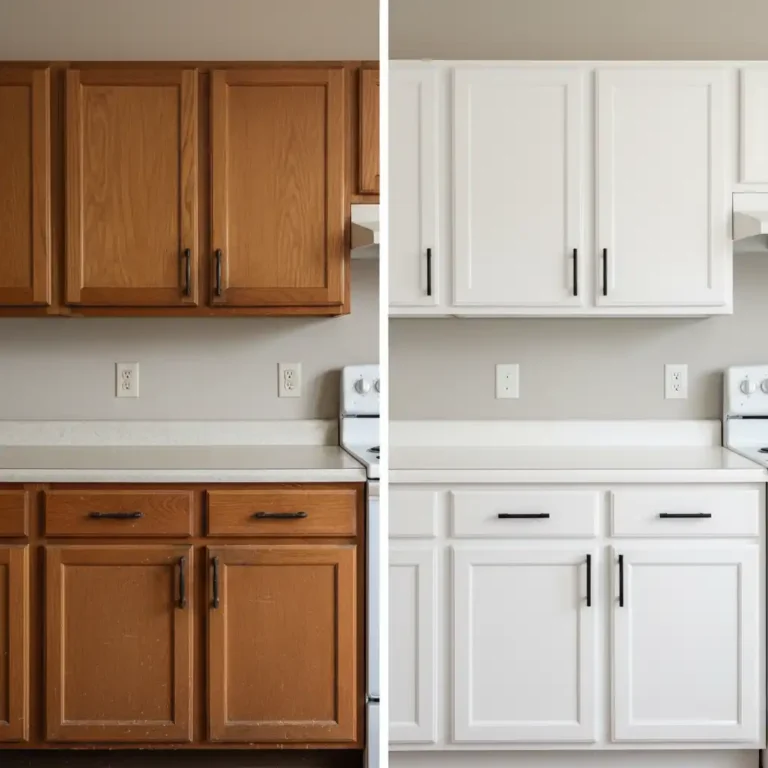
I tested this on a kitchen cabinet door last month. One half got proper prep. The other half got painted directly over the glossy finish. After two weeks, the unprepared side peeled off in sheets when I scraped it with my fingernail. The prepped side? Rock solid.

When You Should Paint Over Poly

Paint over polyurethane when:

  • The existing finish is in good condition with no major chips or cracks
  • You want to update the color without the mess of stripping
  • The piece has intricate details that make stripping difficult
  • You’re on a budget (painting costs 60-70% less than full refinishing)

When Removal Works Better

Strip the polyurethane instead if:

  • The coating is peeling, bubbling, or severely damaged
  • You want a natural wood stain finish
  • The surface has multiple thick layers of old finish
  • You’re working on an antique where preservation matters

You may also read: Can you paint vinyl siding?

What Types Of Paint Can You Use Over Polyurethane?

Not all paints stick to polyurethane equally. Here’s what works:

  • Oil Based Paint: Best choice for durability. It bonds chemically with oil based primer and creates the hardest finish. It takes 6-8 hours to dry between coats. Expect to pay $35-50 per quart.
  • Latex Paint Over Polyurethane: Works well with proper primers. Dries faster (2-4 hours) and cleans up with water. Costs $25-40 per quart. Slightly less durable than oil paint but easier to work with.
  • Acrylic Urethane Paint: Professional-grade option that combines durability with easier application. Costs $45-60 per quart but provides excellent coverage and wear resistance.
  • Chalk Paint: Can work without primer on matte poly surfaces, but still needs light sanding. Not recommended for high-use items like kitchen cabinets. Best for decorative pieces.

Real Cost Breakdown

Based on painting a standard kitchen with 20 cabinet doors:

DIY Approach

  • Sandpaper and supplies: $30-40
  • Oil based primer: $40-50
  • Paint (2 quarts): $60-80
  • Brushes and rollers: $25-35
  • Total: $155-205
  • Time: 12-16 hours over 3-4 days

Professional Service

  • Complete cabinet painting: $1,800-3,200
  • Includes prep, primer, two coats, hardware removal
  • Time: 2-3 days with proper curing

Expert Tip on Oil-Based Primer: For the best chemical bond and bleed-through resistance, you must use an oil-based primer (like Zinsser B-I-N Shellac-Based or a high-adhesion Alkyd). This step is non-negotiable for a professional result. You can apply a water-based Alkyd Enamel paint over a dried oil primer.

Recommended Supplies for Painting Over Polyurethane

Gather these before starting:

Cleaning Supplies

  • Mineral spirits or TSP cleaner
  • Lint free cloths
  • Bucket and warm water

Sanding Materials

  • 150-grit sandpaper for initial scuffing
  • 220-grit for smoothing between coats
  • Sanding block or orbital sander
  • Tack cloth for dust removal

Painting Supplies

  • Oil based primer (crucial for adhesion)
  • High-quality synthetic bristle brushes
  • Foam rollers for flat surfaces
  • Paint tray
  • Drop cloths

Safety Gear

  • Respirator mask (not just a dust mask)
  • Safety glasses
  • Rubber gloves
  • Ventilation fan

Optional But Helpful

  • Wood filler for repairs
  • Liquid deglosser (alternative to sanding)
  • Paint sprayer for larger projects

How to Paint Over Polyurethane: Step by Step Instructions

Can You Paint Over Polyurethane? Yes, Here's How

Step 1: Clean The Surface (30-45 Minutes)

Remove all grease, dirt, and grime. Mix 1/4 cup TSP per gallon of warm water. Dip your cloth in the solution, wring it out, and wipe the entire surface in circular motions.

For kitchen cabinets with heavy grease buildup, you may need two cleaning passes. Rinse with clean water and let dry completely. This step matters more than you think paint won’t stick to dirty surfaces.

Step 2: Fill Imperfections (If Needed)

Inspect for dents, scratches, or holes. Apply wood filler with a putty knife, slightly overfilling each spot. Let it dry for 2-3 hours, then sand flush with the surface.

Step 3: Sand to Create Tooth (60-90 Minutes)

This step makes or breaks your project. You’re not removing the polyurethane you’re creating microscopic scratches for paint to grip.

Use 150-grit sandpaper on smooth surfaces. Sand in the direction of the wood grain with medium pressure. The goal is to dull the glossy finish completely. Run your hand across the surface. It should feel slightly rough, not slick.

For detailed areas like cabinet door panels, use a sanding sponge or folded sandpaper. Curved surfaces need extra attention.

Pro tip from 12 years of experience: Test a small area first. If water beads up instead of soaking in, keep sanding.

Remove all dust with a tack cloth. Even tiny particles will create bumps in your finish.

Step 4: Apply Primer (The Most Important Step)

Use oil based primer. I can’t stress this enough. Water-based primers raise wood grain and don’t seal tannins properly. That leads to yellowing and poor adhesion.

Why Oil Primer Matters: Oil based primer penetrates deeper and seals the surface completely. It prevents tannin bleed from those yellow-orange stains that seep through paint and ruin your finish.

Thin your primer with 10% mineral spirits for smoother application. This prevents thick brush strokes and speeds drying.

Apply a thin coat to dry in sections. Work in the direction of the wood grain. Don’t overload your brush or you’ll create drips.

Let the first coat dry for 4-6 hours minimum. Check the can for exact times humidity affects drying.

Lightly sand with 220-grit paper after the primer dries. This removes any brush strokes and creates an ultra-smooth base. Wipe clean with a lint free cloth.

Apply a second primer coat if wood grain shows through or if you’re covering dark stains. Two thin coats beat one thick coat every time.

Step 5: Paint Application (The Reward)

Your surface is prepped. Now comes the easy part.

For the best results, match your paint type to your primer. Oil paint over oil primer provides maximum durability. Water based paint works fine too if you used quality primer.

First Coat: Apply thin, even strokes following the wood grain. Don’t try to achieve full coverage in one coat that causes drips and uneven texture.

Work in sections to maintain a wet edge. This prevents lap marks where dried and wet paint meet.

Let the first coat dry completely. Oil based paint needs 6-8 hours. Water based needs 2-4 hours. Don’t rush this.

Second Coat: Lightly sand with 220-grit if you feel any rough spots. Most surfaces don’t need this step.

Apply your second coat the same way as the first. This coat provides full coverage and the final color.

Third Coat (Optional): High-traffic items like kitchen cabinets benefit from a third coat. This adds durability and depth to the color.

Step 6: Cure Time (The Waiting Game)

Here’s where most people mess up. Dry to touch and fully cured are different things.

Drying vs Curing

  • Paint feels dry in hours
  • Paint fully hardens in days or weeks

Water based paint cures in 7-14 days. Oil based paint needs 21-30 days. During curing, the paint is soft and easily damaged.

For cabinet painting, wait at least 48 hours before carefully replacing doors. Wait 7 days before normal use. Wait 3-4 weeks before placing heavy items on painted surfaces.

I learned this the hard way on a client’s cabinets. They put dishes away after 3 days. The paint stuck to the dishes and peeled. We had to repaint.

Common Mistakes to Avoid

  • Skipping the Primer Painting wood polyurethane without primer guarantees failure. The paint won’t bond properly and will peel within weeks.
  • Using the Wrong Primer Water-based primer over polyurethane causes problems. It doesn’t seal properly and can raise wood grain. Always use oil based primer.
  • Thick Paint Coats One thick coat seems faster but creates more problems. It takes forever to dry, sags easily, and shows brush marks. Three thin coats beat one thick coat.
  • Not Waiting Between Coats Rushing the drying time traps solvents under the surface. This keeps paint soft and sticky for months. Follow the can’s recommended times.
  • Poor Ventilation Oil based products release strong fumes. Work in a well-ventilated space with windows open and fans running. Your lungs will thank you.

When Different Surfaces Need Special Attention

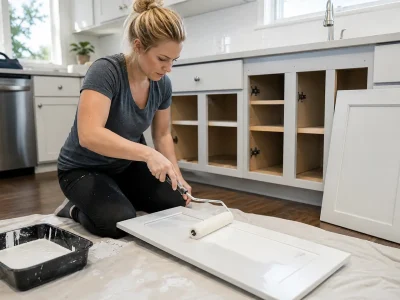
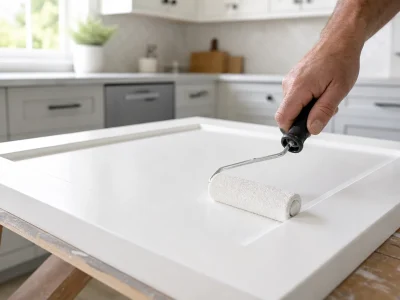
  • Kitchen Cabinets: Remove doors and hardware before starting. Paint doors flat on sawhorses for the best finish. Use a small foam roller for flat panels and a brush for detailed areas.
  • Furniture Pieces: Remove drawers and paint separately. Flip pieces to paint hard-to-reach areas. Use a lazy Susan for smaller items.
  • Trim and Moldings: Tape off walls and floors carefully. A quality angled brush makes cutting in easier. Work in 3-4 foot sections to maintain a wet edge.
  • Floors: Not recommended for DIY. Floor painting requires professional equipment and special floor paints. Regular furniture paint won’t hold up to foot traffic.

What to Do If the Paint Fails

Even the best preparation can result in issues. Here are fixes for common problems when painting polyurethane wood.

Problem

Cause

Solution

Paint is Peeling/Chipping

Poor adhesion due to skipping or rushing the sanding/priming step.

Sand the peeled area down to the polyurethane. Re-clean, re-prime with the correct oil-based primer, and repaint.

Yellow Stains Bleeding Through

Tannin bleeds from the wood resins reacting with a water-based primer.

Mineral spirits cannot fix this. Sand down to the wood, then apply a shellac-based primer (like B-I-N) which is the most effective stain blocker.

Paint Stays Tacky/Soft

Primer or paint was applied too thick, trapping solvents, or humidity is too high.

Increase ventilation and heat in the room. If it is still tacky after 72 hours, lightly sand the sticky areas and apply a much thinner final coat.

Visible Brush Strokes

Low-quality brush, paint is too thick, or not enough coat to dry time was given between layers.

Lightly sand the entire coat with 320-grit paper until smooth. Wipe clean, and apply a final coat using a high-quality synthetic brush or a paint sprayer.

Professional Help When You Need It

Some projects make sense to DIY. Others need professional skills and equipment.

When to Call Professionals

  • Full kitchen cabinet refinishing (intricate spray work)
  • Large-scale projects (entire room of trim)
  • Time-sensitive deadlines
  • Complex repairs needed
  • You lack proper ventilation setup
  • Your test patch failed

At San Diego Custom Painting, we specialize in the techniques required for difficult surfaces. We offer comprehensive interior painting, exterior painting, and dedicated cabinet painting services in San Diego. Our team has the experience and specialized equipment to guarantee superior adhesion and a durable result that lasts for years, not months.

Ready to transform your space? Call us for a free estimate. We’ll assess your project and provide honest recommendations on whether painting over polyurethane makes sense for your specific situation.

Conclusion

Painting over polyurethane transforms old furniture and cabinets without expensive stripping. Success requires three critical steps: thorough cleaning, proper sanding, and oil based primer.

Don’t skip the prep work. Those hours of sanding and priming determine whether your paint lasts two weeks or twenty years.

Start with a small test piece before tackling major projects. A single cabinet door or drawer front lets you practice the technique without risking a whole kitchen.

The total process takes time, but the results are worth it. With proper prep and patience, painted polyurethane surfaces look professionally refinished and last for years.

FAQs About Painting Over Polyurethane

Can you paint over polyurethane without sanding?

Not recommended. Some specialty primers claim to work without sanding, but they rarely provide lasting adhesion. Sanding creates the mechanical tooth paint needs to grip. Even liquid deglosser works better when combined with light sanding. Skip this step, and your paint will peel within months.

What’s the best primer for painting over polyurethane?

Oil based primer (also called urethane primer) provides the best adhesion and prevents tannin bleed. Look for products specifically labeled for glossy surfaces. Brands like Zinsser Cover Stain and KILZ Original work well. Expect to pay $40-50 per gallon.

How long should the primer dry before painting?

Wait at least 4-6 hours for oil based primer in normal conditions. High humidity extends this to 8-12 hours. The surface should feel completely dry to touch. If it’s still tacky, wait longer. Painting over wet primer traps solvents and keeps paint soft.

Can you put lacquer over polyurethane?

No. Lacquer contains strong solvents that dissolve polyurethane, creating a wrinkled, bubbled mess. If you want a lacquer finish, you must completely remove the polyurethane first through stripping or sanding.

Will chalk paint work over polyurethane?

Chalk paint adheres better than regular paint without primer, but it still needs surface sanding for durability. It works for decorative pieces but isn’t tough enough for kitchen cabinets or high-use furniture. The finish is also quite matte, which shows wear easily.

How do you know if polyurethane is oil or water based?

Check the cleanup instructions on the can. Mineral spirits = oil based. Water = water based. If you don’t have the can, rub a hidden spot with denatured alcohol. Water based poly softens and gets sticky. Oil based poly doesn’t react.

What grit sandpaper for polyurethane?

Start with 150-grit for initial scuffing to dull the glossy finish. Use 220-grit between primer and paint coats for smoothing. Avoid coarser grits (80-120) unless you’re removing damaged areas they create deep scratches that show through paint.

Why is my paint peeling off polyurethane?

Three main causes: inadequate sanding, wrong primer type, or insufficient drying time between coats. The polyurethane surface was too glossy for paint to grip, or moisture got trapped under the paint layer. Strip the failed areas, prep correctly, and repaint.

How much does it cost to paint over polyurethane cabinets?

DIY costs run $150-250 for materials on a standard 10×10 kitchen. Professional services range from $1,800-3,200 depending on cabinet quantity, style complexity, and your location. Intricate cabinets with detailed molding cost more due to extra labor.

Can you use a paint sprayer on polyurethane?

Yes, sprayers work great and provide the smoothest finish. However, spray equipment requires practice and proper setup. Overspray is a concern you’ll need extensive masking. For most DIYers, brushes and rollers are more practical and still deliver excellent results.

Mark Sullivan

Mark Sullivan

Mark Sullivan is a seasoned expert in the residential and commercial painting industry, with over 27 years of experience transforming homes across San Diego. His deep understanding of color, finishes, and surface preparation allows him to deliver exceptional results on every project. Mark is passionate about sharing practical painting advice, maintenance tips, and design insights that help homeowners make confident decisions. His expertise and dedication to quality are reflected in every article he contributes to the San Diego Custom Painting blog.

Related Article

At SDCP we celebrate the beauty of painting from bold brushstrokes to delicate details. Explore, get inspired, and share your passion for art with us.

Copyright © 2026. All Rights Reserved San Diego Custom Painting. Powered by LocalPro1.

Translate »