
Polycrylic is usually best for interior painted wood, white cabinets, and light-colored furniture. Polyurethane is usually better for surfaces that face heavy wear, moisture, heat, or daily use. The right choice depends on the surface, location, color, and level of protection you need.
The biggest mistake is treating polyurethane as one product. It can be water-based or oil-based, and those formulas behave differently. This guide compares each option so you can choose the right clear finish without guessing.
Table of Contents
Toggle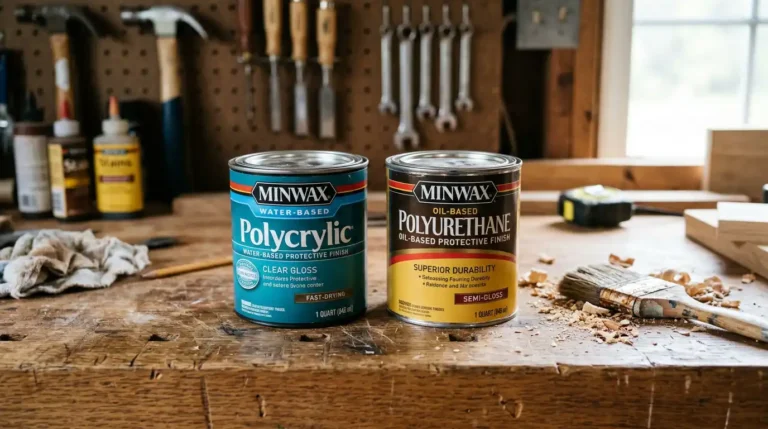
Polycrylic vs Polyurethane at a Glance
Feature | Polycrylic | Polyurethane |
Base | Water-based | Water-based or oil-based |
Durability | Good | Very good to excellent |
Drying | Fast | Usually slower |
Odor | Low | Higher, especially oil-based |
Cleanup | Soap and water | Depends on formula |
Yellowing | Generally clear | Oil-based tends to amber |
Interior use | Excellent | Excellent |
Exterior use | Usually not recommended | Use an exterior-rated formula |
Heavy wear | Moderate | Better suited |
Best for | Painted and light surfaces | High-wear surfaces |
Product formulas vary, so always check the label for the exact product you are using. For example, Minwax lists its Polycrylic Protective Finish for interior woodwork, furniture, doors, and cabinets, while its polyurethane products cover interior furniture, cabinets, doors, and floors.
What is Polycrylic?
Polycrylic is a water-based clear protective finish. It forms a transparent film over wood and other properly prepared surfaces. It is often used on furniture, cabinets, trim, doors, and other interior wood projects.
Its biggest advantage is appearance. A quality polycrylic finish can stay clear without adding the warm amber tone linked with many oil-based finishes. That makes it useful over white paint and light woods such as maple, ash, and birch.
Polycrylic also has practical benefits for indoor work. It has lower odor than solvent-based finishes and cleans up with soap and water. It dries quickly enough for several coats in one work session.
There are limits. Polycrylic is thinner than many polyurethane products, so it can run or sag on vertical surfaces. Its quick dry time can also make brush marks or lap marks more noticeable if you keep working over an area after it starts drying. It is generally not the first choice for floors or outdoor surfaces.
One useful point is often missed: polycrylic paint is not a normal paint. Polycrylic is a clear protective topcoat. It does not replace your color coat.
What Is Polyurethane?
Polyurethane is a synthetic resin that forms a hard protective coating. It is widely used on furniture, cabinets, doors, trim, tables, and hardwood floors.
There are two main types.
Oil-Based Polyurethane
Oil-based polyurethane is known for its toughness and warm appearance. It tends to add an amber tone as it dries and ages. That can look great on warm wood, but it can change the appearance of white or very light paint.
It also has stronger fumes and needs good airflow during application and drying. Cleanup normally requires a solvent such as mineral spirits.
Water-Based Polyurethane
Water-based polyurethane dries clearer and has less odor than oil-based polyurethane. It is also easier to clean up with soap and water.
Modern water-based formulas can provide strong scratch and stain protection. For example, Rust-Oleum’s Varathane Ultimate Water-Based Polyurethane is made for interior furniture, doors, cabinets, trim, and painted wood. The manufacturer lists a two-hour recoat time and a low-odor, soap-and-water cleanup formula.
This makes water-based polyurethane a close competitor to polycrylic for many indoor projects.
What Is the Difference Between Polycrylic and Polyurethane?
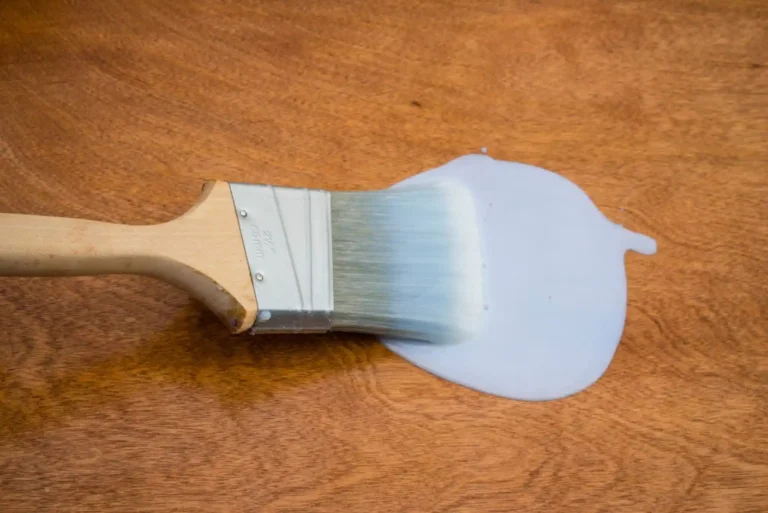
The main difference comes down to protection, appearance, drying, and the formula you choose.
Durability
Oil-based polyurethane usually has the edge when a surface faces hard daily use. Think about floors, dining tables, work surfaces, and furniture that gets frequent abuse.
Water-based polyurethane is also durable and has improved greatly over the years. Polycrylic provides good protection for many indoor projects, but it is usually not the best choice for extreme wear.
A clear finish does not make wood indestructible. Heavy objects, sharp items, standing water, heat, and repeated impact can damage any coating.
Drying and Curing
Fast drying does not mean fully cured.
A coating can feel dry while the film is still gaining strength. Minwax’s regular Polycrylic guidance lists at least two hours before recoating, three hours before light handling, and 24 hours before normal use. Its project instructions also advise allowing several days for a cabinet finish to cure fully.
Your product label should always control the schedule.
Appearance and Yellowing
Appearance is one of the biggest reasons people choose polycrylic.
Oil-based polyurethane adds warmth and can amber over time. That can enhance natural wood but may make white paint look cream or yellow.
Water-based polyurethane usually stays much clearer. Polycrylic is also designed to dry clear and is a strong choice when preserving the original color matters.
Water and Heat Resistance
Polyurethane is generally the better choice when moisture and heat are major concerns. The exact performance depends on the formula.
Do not assume every clear finish is waterproof. A product rated for interior furniture is not automatically suitable for a countertop, shower area, deck, or outdoor furniture.
Scratch Resistance
Oil-based polyurethane generally provides the strongest protection against scratches, dents, and abrasion. Water-based polyurethane offers strong protection as well.
Polycrylic can handle normal household use, but it is not the first choice for surfaces that receive severe wear.
Odor and VOCs
Polycrylic has the lowest smell of the three. Oil-based polyurethane has the strongest, and you’ll want good airflow while it’s drying. The EPA notes that VOC levels from products like finishes and varnishes can run far higher indoors than outdoors, so ventilation is worth taking seriously with any oil-based product.
Cleanup
Water-based polycrylic and water-based polyurethane clean up with soap and water.
Oil-based polyurethane needs the cleaner listed by the manufacturer, often mineral spirits. This adds time and requires more care during cleanup.
Cost
Current U.S. retail prices show why product type matters. Home Depot currently lists a one-quart Varathane oil-based interior polyurethane at about $17.48, while one-quart Varathane water-based interior polyurethane is about $24.98. Prices vary by store, sheen, brand, and location.
Bob Vila’s broader comparison places many polycrylic and water-based polyurethane products around $20 to $30 per quart, with oil-based polyurethane commonly reaching $20 to $50.
The finish is only part of your project cost. Brushes, sandpaper, cleaner, masking supplies, and the number of coats also matter.
Polycrylic vs Water-Based Polyurethane
These two finishes are much closer than polycrylic and oil-based polyurethane.
Choose polycrylic when clear color, low odor, simple cleanup, and interior painted surfaces are your main concerns.
Choose water-based polyurethane when you want a similar low odor and clear color but need a tougher protective film.
For example, a white painted dresser in a bedroom may be a good fit for polycrylic. A busy family table may benefit from water-based polyurethane.
Water-based polyurethane is also available in several sheens and can be made for painted wood, cabinets, furniture, doors, and trim.
Polycrylic vs Oil-Based Polyurethane
This choice is easier because the tradeoffs are stronger.
Choose polycrylic when you want a clear look, low odor, easy cleanup, and an indoor finish over light colors.
Choose oil-based polyurethane when durability and a warm wood tone matter more.
Oil-based polyurethane is often a better fit for floors and heavily used furniture. It takes longer to dry and has stronger fumes, but the slower working time can help when coating a large surface.
For dark walnut or warm oak furniture, its amber tone may improve the final look. Over bright white cabinets, that same tone can be unwanted.
Which Finish Is Better for Different Projects?
Kitchen Cabinets
Best choice: Polycrylic or water-based polyurethane.
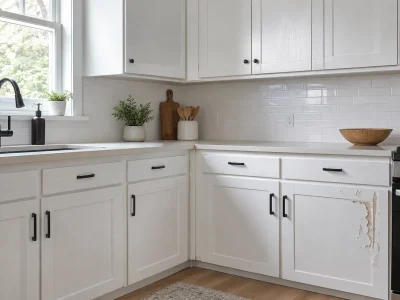
Painted kitchen cabinets need a finish that handles frequent touching, cleaning, and small spills. For white or light painted cabinets, a clear water-based product avoids the strong amber shift of oil-based polyurethane.
For high-use cabinets, choose a product rated for cabinets and follow its coat and cure instructions.
If your cabinets need a complete professional repaint rather than a simple topcoat, San Diego Custom Painting provides cabinet painting services in San Diego with careful prep and durable cabinet finishes. Contact the team to discuss the right finish for your cabinet color, material, and daily use.
Painted Cabinets
Best choice: Polycrylic or water-based polyurethane.
Let the paint cure fully before applying a clear coat. A finish applied too early can trap moisture or cause adhesion problems.
White Cabinets
Best choice: Polycrylic.
Its clear finish helps preserve the white color. Oil-based polyurethane can add an amber cast.
Furniture
Best choice: Depends on use.
For a bedroom dresser or side table, polycrylic can work well. For furniture that receives heavy daily use, water-based or oil-based polyurethane may offer better protection.
Dining Tables
Best choice: Polyurethane.
Dining tables face spills, heat, wiping, scratches, and daily contact. A durable polyurethane made for furniture is usually the safer choice.
Desks
Best choice: Water-based polyurethane or polyurethane.
A desk sees repeated hand contact, objects sliding across the surface, and occasional spills. More durability is useful.
Hardwood Floors
Best choice: Floor-rated polyurethane.
Do not use a general cabinet or furniture finish simply because it looks clear. Floors need a coating designed for foot traffic and abrasion.
Trim and Doors
Best choice: Polycrylic or water-based polyurethane for interior use.
Polycrylic works well when maintaining a light color matters. Use a product designed for exterior exposure when finishing exterior doors or trim.
Light-Colored Wood
Best choice: Polycrylic or water-based polyurethane.
Maple, birch, and ash often look best when the finish does not add a strong amber tone.
Dark Wood
Best choice: Either, depending on the look.
Oil-based polyurethane can deepen warm wood tones. A clear water-based finish keeps the color closer to its starting point.
Outdoor Wood
Best choice: An exterior-rated finish.
Do not assume an interior polyurethane is suitable outside. Outdoor wood needs protection against moisture, sunlight, and weather changes. Products labeled for exterior use should be chosen for the actual exposure.
Should You Use Polycrylic or Polyurethane Over Paint?
Yes, many clear finishes can be used over properly prepared and fully cured paint.
- For latex paint, allow the paint to cure according to its product instructions before topcoating.
- For acrylic paint, use a compatible clear finish and test a small hidden area first.
- For chalk paint, both types may be used when the finish manufacturer allows it.
- For white paint, polycrylic or a clear water-based polyurethane is often the safer visual choice.
- For dark paint, test first. Some clear finishes can change the appearance or look cloudy when applied too heavily.
The most important step is surface prep. The painted surface should be clean, dry, sound, and free from wax, grease, dust, and loose material.
Can You Put Polycrylic Over Polyurethane?
Yes, but do not simply brush it over a glossy polyurethane surface.
The old coating should be fully cured, clean, and sound. Lightly sand the surface to create a better bond, remove all dust, and follow the new product’s instructions.
A small test area is smart when the old finish is unknown.
Can You Put Polyurethane Over Polycrylic?
Yes, the same rule applies.
The existing polycrylic should be fully cured and firmly bonded. Clean it, lightly sand it when the product instructions call for it, remove dust, and test compatibility before coating the entire surface.
Do not rely on the names alone. The exact products and existing coatings matter.
Brush or Roller for Polyurethane: Which Is Better?
For most small furniture and wood projects, a good brush is the easiest choice.
A synthetic-bristle brush works well with water-based finishes. A suitable natural-bristle brush is often used with oil-based polyurethane.
A roller can work on some large flat surfaces, but the wrong roller can leave texture or bubbles. Spraying can produce a very smooth finish when the equipment and technique are right.
Foam brushes can work with some products, but always follow the finish manufacturer’s application instructions.
The tool matters, but the coat matters more. Apply thin, even coats. Avoid overworking the finish after it starts to set.
How Long Does Polyurethane Take to Dry?
There is no single answer because formulas differ.
For example, Minwax lists a 3 to 4 hour recoat time for its Fast-Drying Polyurethane. A Varathane water-based polyurethane lists a 2 hour recoat time.
When someone asks how long does it take polyurethane to dry, separate these stages:
- Dry to touch: The surface no longer feels wet.
- Recoat: The next coat can be applied safely.
- Light use: The finish can handle limited contact.
- Full cure: The coating has developed much more of its final strength.
Temperature, humidity, ventilation, coat thickness, and product type all affect these times.
How Long Does Polyurethane Last?
There is no fixed lifespan for every project.
A polyurethane finish can last for years when applied correctly and used under normal conditions. Heavy foot traffic, standing water, heat, sunlight, scratches, and poor prep can shorten its useful life.
A kitchen table needs more care than a picture frame. A floor needs more wear resistance than a bedroom door.
Instead of asking only how long does polyurethane last, ask how much wear the surface receives. That gives you a much better guide for choosing the finish and planning maintenance.
How Much Does Polyurethane Cost?
For a typical U.S. DIY project, expect roughly $17 to $30 for a quart of common interior polyurethane, with specialty products costing more. Current Home Depot listings show oil-based Varathane around $17.48 per quart and water-based versions around $24.98.
Your total project cost depends on:
- Product type
- Brand
- Sheen
- Number of coats
- Surface size
- Brush or spray equipment
- Sandpaper
- Cleaning supplies
- Prep work
One quarter does not cover every project the same way. Always use the coverage listed on your exact product.
Common Polycrylic and Polyurethane Problems
- Brush marks: Work with thin coats and avoid repeatedly brushing an area as it begins to dry.
- Drips and runs: Use less finish on vertical surfaces. Polycrylic’s thinner consistency makes this especially important.
- Sticky finish: The coating may need more drying time. Thick coats, cool temperatures, high humidity, or poor airflow can slow the process.
- Milky or cloudy appearance: Heavy application or the wrong product for the surface can cause appearance problems. Always test first.
- Yellowing: Oil-based polyurethane can add an amber tone. Choose a clear water-based finish when color preservation matters.
- Scratches: Heavy-use surfaces need a more durable finish. Allow the coating to cure before placing objects on it.
- Uneven sheen: Stir the finish gently as directed and apply consistent coats.
- Dust in the finish: Clean the work area before coating and allow dust to settle before starting.
- Finish staying soft: Give it more cure time and check temperature, humidity, coat thickness, and product instructions before adding another coat.
What Temperature and Humidity Are Best?
Use the temperature range listed on your product label.
Cold conditions can slow drying and curing. High humidity can also extend drying time. Poor airflow adds another delay.
Avoid rushing a finish because the surface feels dry. The film underneath may still be soft.
For best results, work in a clean, dry space with steady temperature and good ventilation. Keep the surface itself within the manufacturer’s recommended range.
Polycrylic vs Polyurethane: Pros and Cons
Polycrylic
Pros
- Clear finish
- Low odor
- Easy soap-and-water cleanup
- Fast recoat time
- Good choice for interior painted surfaces
- Excellent for light colors
Cons
- Not the best choice for severe wear
- Can show brush or lap marks
- Thin consistency can cause runs
- Usually not intended for exterior use
Polyurethane
Pros
- Strong protective coating
- Better for heavy wear
- Water-based and oil-based choices
- Good for furniture and floors
- Oil-based formulas add a warm wood tone
Cons
- Oil-based formulas have stronger fumes
- Oil-based formulas dry more slowly
- Cleanup can require solvent
- Oil-based formulas can amber light surfaces
So, Polycrylic or Polyurethane: Which Should You Choose?
Choose polycrylic when you are working indoors, protecting painted or light-colored wood, and want a clear finish with low odor and easy cleanup.
Choose water-based polyurethane when you want a clear finish with more protection for furniture, cabinets, doors, or other frequently used indoor surfaces.
Choose oil-based polyurethane when durability is the top concern and a warm amber tone is acceptable.
For a white cabinet, I would start with a clear water-based finish. For a heavily used table, I would lean toward polyurethane. For a hardwood floor, use a floor-rated polyurethane. For outdoor wood, use a product labeled for exterior exposure.
That project-first approach is more useful than naming one finish as the winner.
Final Takeaway
The best clear finish is not decided by the product name alone. Start with the surface, then think about wear, color, moisture, drying time, and the look you want.
For white cabinets and light painted wood, polycrylic is often a strong choice. For high-use furniture and floors, polyurethane usually gives you more protection. When you want the middle ground, water-based polyurethane is worth considering.
Always read the label for your exact product. Formula, coverage, drying time, coat count, and approved surfaces can vary between brands and product lines.
For deeper guidance, compare the manufacturer’s application instructions before starting. Minwax clear finish guidance and Rust-Oleum Varathane water-based polyurethane guidance are useful starting points.
Frequently Asked Questions
Is polycrylic better than polyurethane?
Neither is better for every project. Polycrylic is often better for light-colored interior surfaces, while polyurethane is better for heavy wear.
Is polycrylic more durable than polyurethane?
Usually not. Oil-based polyurethane generally provides greater resistance to scratches, dents, and heavy wear.
Is water-based polyurethane better than polycrylic?
It can be when you need more durability while still wanting low odor, easy cleanup, and a clear appearance.
Does polycrylic turn yellow?
Polycrylic is designed to dry clear and resist yellowing. Heavy application or an unsuitable surface can still affect its appearance.
Does polyurethane turn yellow?
Oil-based polyurethane can amber and warm the color of wood or paint. Water-based polyurethane generally stays much clearer.
Is polycrylic waterproof?
Do not treat ordinary interior polycrylic as a waterproof coating. Use a product specifically rated for the exposure your project will face.
Can you use polycrylic over painted cabinets?
Yes, when the paint is fully cured and the surface is clean and sound. Test the finish first, especially over dark or unusual paint.
Is polycrylic safe to use indoors?
It is commonly used for interior projects and has lower odor than many solvent-based finishes. Still, use good ventilation and follow the product’s safety directions. Minwax recommends adequate fresh-air entry during application and drying.