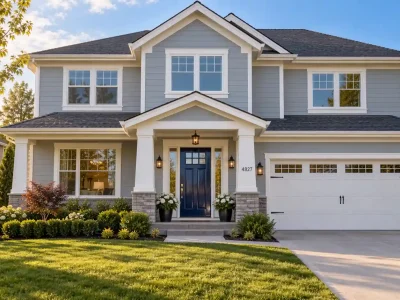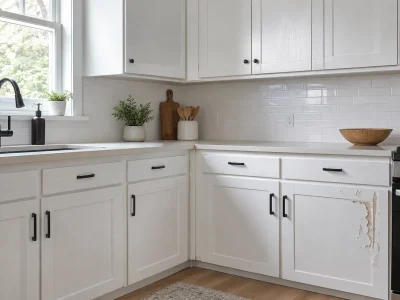

Choosing what sheen for exterior paint starts with the surface you plan to paint. Satin is a strong all-around choice for most exterior siding because it balances durability, cleaning, and appearance. Flat or matte works well on rough stucco and textured surfaces because it reflects less light. Semi-gloss is usually better for trim, doors, shutters, and other details that need easier cleaning.
The right finish also depends on surface condition, sun exposure, moisture, and the look you want. If you are trying to decide what sheen for exterior paint, do not choose by shine alone. Match the finish to the job.
Table of Contents
ToggleWhat Sheen Is Best for Exterior Paint?
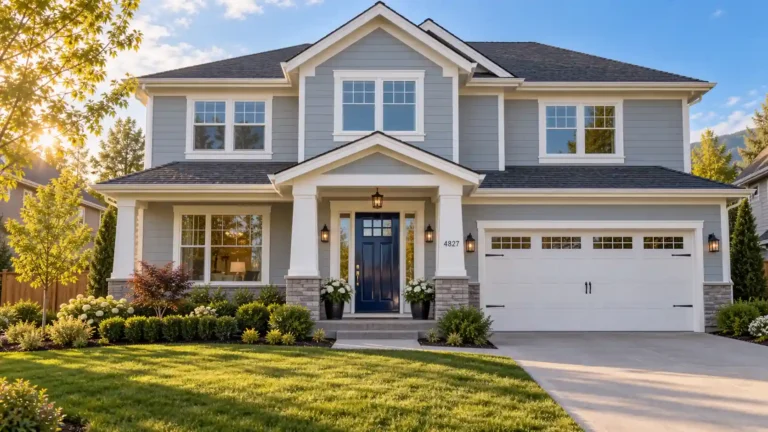
For most homes, satin is the best sheen for exterior paint on siding. It has a soft shine, holds up well outdoors, and is easier to clean than flat paint. Behr lists satin enamel for nearly all exterior surfaces and rates it above flat for durability.
Flat is a better fit when you want to hide minor surface flaws or reduce glare. Semi-gloss works well on trim and doors where more shine and easy cleaning make sense. Gloss is best used as an accent rather than across large wall areas.
Here is a simple starting point:
Exterior surface | Suggested sheen | Why it works |
Most siding | Satin or low-lustre | Good balance of looks, cleaning, and wear |
Rough stucco | Flat or low sheen | Reduces glare and hides small flaws |
Wood siding | Satin or low-lustre | Shows wood without too much shine |
Fiber cement siding | Satin | Durable and easy to maintain |
Vinyl siding | Satin or low-lustre | Moderate shine works well on large areas |
Brick and masonry | Flat or low sheen | Keeps a natural, less reflective look |
Exterior trim | Satin or semi-gloss | Easier to clean and adds contrast |
Front door | Semi-gloss or gloss | Durable finish for a focal point |
Garage door | Satin | Avoids strong glare on a large surface |
Shutters | Satin or semi-gloss | Adds contrast without excessive shine |
These are starting points, not rules. Always check the paint maker’s product label for approved surfaces.
Exterior Paint Sheen Types
The main exterior paint sheen types are flat, matte or low-lustre, satin, semi-gloss, and gloss. Names can vary between paint brands, so two finishes with similar names may not have the same level of shine.
Sheen | Appearance | Best use | Main benefit | Main drawback |
Flat | Very little reflection | Stucco, masonry, rough walls | Hides minor imperfections | Harder to keep clean |
Matte/low-lustre | Low reflection | Siding, textured surfaces | Soft look with some durability | Less washable than satin |
Satin | Soft reflection | Most siding | Balanced finish | Can show some flaws |
Semi-gloss | Clear shine | Trim, doors, shutters | Easy to clean | Highlights surface defects |
Gloss | Strong shine | Doors and accents | Hard, bold finish | Too reflective for many large surfaces |
Sherwin-Williams describes satin as washable and suitable for exterior surfaces. It also notes that flatter finishes are useful where surface flaws need less attention.
How to Choose an Exterior Paint Sheen
Use this five-point checklist before you buy a single gallon.
1. Look at the Surface Material
Wood, vinyl, fiber cement, brick, stucco, and metal all behave differently. Smooth surfaces like vinyl and fiber cement can handle higher sheen. Textured surfaces like stucco and brick usually look better in flat or low sheen.
2. Check for Texture and Imperfections
Run your hand over the wall. If you feel dents, waviness, or old patch repairs, go lower on sheen. Gloss and semi-gloss will draw the eye straight to every flaw once the sun hits it.
3. Think About Durability and Cleaning
Areas near the ground, under gutters, or close to sprinklers get dirty fast. Satin and semi-gloss wipe clean with a hose or brush. Flat paint holds onto dirt and stains longer.
4. Factor In Sun and Weather Exposure
South and west-facing walls take the most UV exposure. Higher sheen paint tends to resist fading and chalking better in direct sun. Homes in wet or humid regions also do better with satin or semi-gloss, since flat paint absorbs more moisture and feeds mildew growth. Research from Purdue University’s forestry extension program shows that moisture and mildew are among the leading causes of paint discoloration and failure on exterior wood surfaces.
5. Decide the Look You Want
Flat paint gives a soft, traditional look. Satin looks clean without much glare. Semi-gloss and gloss add contrast and make trim or doors stand out. Pick the level of shine that matches your home’s style, not just the surface type.
Best Sheen for Different Exterior Surfaces
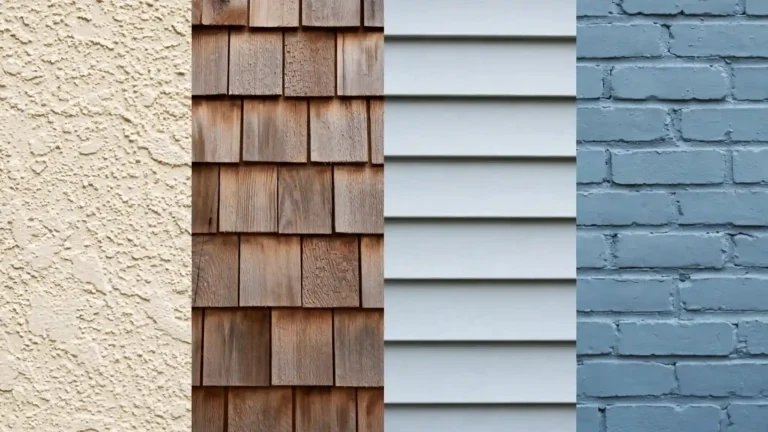
There is no single finish for every part of a house. The surface-by-surface choice is more useful than one broad rule.
Exterior Siding
Satin or low-lustre is a safe starting point for most siding.
It works well on wood siding, fiber cement siding, vinyl siding, and many painted aluminum surfaces. Satin has enough sheen for easier cleaning without making a full wall look highly reflective.
Smooth siding will show more reflection than rough siding, so test a sample first.
Stucco
Flat, matte, or another low sheen is often a good choice for stucco.
Stucco has a natural texture. Strong light can make every ridge and repair stand out. A lower sheen reduces reflection and keeps the wall looking softer.
Flat is even more useful on older stucco with small patches or uneven areas.
Wood Siding and Cedar Shakes
Wood grain is part of the look, so avoid covering it with more shine than you want.
Flat or low-lustre works well when you want a natural appearance. Satin is useful when cleaning and added wear resistance matters more.
Cedar shakes and rough wood usually look better with less reflection than smooth exterior trim.
Brick and Masonry
Flat or low sheen often fits brick and masonry because it keeps the surface from looking too glossy.
These mineral surfaces also contain texture, joints, pits, and small differences in depth. Strong sheen can make those details more visible.
Use a coating approved for the exact masonry surface. Paint choice matters just as much as sheen.
Exterior Trim, Fascia, and Soffits
Satin or semi-gloss works well for exterior trim.
Semi-gloss creates more contrast against lower-sheen siding. It is also easy to wipe clean around windows, door frames, and other exposed details.
Fascia can use satin or semi-gloss. Soffits often look better with satin or a lower sheen because they are large overhead surfaces.
Exterior Doors
Semi-gloss is a strong choice for most front and entry doors.
It is easy to clean and gives the door enough shine to stand apart from siding. Gloss or high-gloss can work when you want the door to become a strong design feature.
The door must be smooth and well prepared. Higher shine can make dents, brush marks, and poor sanding more visible.
Garage Doors
Satin is usually the safest choice for a garage door.
Garage doors are large surfaces. Semi-gloss can create more glare than expected, especially on smooth metal or fiberglass.
Satin gives a clean finish without turning the door into a highly reflective wall.
Shutters
Satin or semi-gloss works well on shutters.
Use satin for a softer appearance. Choose semi-gloss when you want more contrast against the siding.
Downspouts and Exterior Accessories
Downspouts often look best when they blend with the surface behind them.
A downspout against satin siding can use satin. One against flat stucco can use a lower sheen.
Railings and other high-touch metal parts can benefit from a more durable coating and higher sheen when the product allows it.
Flat vs Satin vs Semi-Gloss Exterior Paint
These three finishes cover most exterior painting needs.
Choose Flat When
Flat works best when reducing reflection matters most.
Choose it for rough stucco, masonry, textured walls, weathered surfaces, or areas with small cosmetic flaws. It also helps reduce glare in direct sunlight.
The tradeoff is cleaning. Dirt and marks can be harder to remove than on satin.
Choose Satin When
Satin is the middle ground.
It is a strong option for siding because it combines moderate reflection, dirt resistance, and easier cleaning. It does not look as shiny as semi-gloss.
For many homes, satin gives the best mix of curb appeal and day-to-day care.
Choose Semi-Gloss When
Semi-gloss makes sense on smaller parts that need regular cleaning or extra visual contrast.
Good uses include:
- Exterior trim
- Front doors
- Window trim
- Shutters
- Railings
- Selected architectural details
Avoid picking semi-gloss only because you think more shine means better paint.
Should Exterior Trim Have a Different Scene Than Siding?
Yes, it can.
One common mix is satin siding with semi-gloss trim. The small change in reflection helps windows, fascia, doors, and trim lines stand out.
Another good mix is flat stucco with satin trim. The wall keeps its soft finish while trim gains a little more contrast.
You can also use the same sheen on siding and trim for a quieter look.
The right choice depends on the home’s style and how much contrast you want.
Does Higher Sheen Mean More Durable Exterior Paint?
Not exactly. Sheen and paint quality are two different things. A cheap gloss paint can still fail faster than a premium flat paint from a better product line.
Higher sheen does tend to resist dirt, mildew, and UV damage a bit better because of the resin content in the formula. But the paint’s binder quality, UV additives, and flexibility matter more for long-term performance than the sheen level alone. Gloss levels are measured using standardized methods like ASTM D523, which rates how much light a surface reflects, not how well it will hold up over time.
Does Exterior Paint Sheen Change the Cost?
It can change the material price a little.
As a real retail example, current Home Depot listings for one-gallon Behr Premium Plus exterior paint show about $47.98 for flat, $49.98 for satin, and $51.98 for semi-gloss. Prices can change by base, color, location, and promotion.
That is only a few dollars per gallon within the same paint line.
The larger cost difference often comes from surface preparation, repairs, primer, paint grade, labor, and the number of coats needed.
A smooth semi-gloss finish can also demand better prep because flaws are easier to see.
Does Paint Sheen Change How Your Exterior Color Looks?
Yes. The same color can look lighter or darker depending on the sheen and the light hitting it. Gloss and semi-gloss reflect more light, so colors can appear brighter or slightly washed out in full sun. Flat paint absorbs more light, which makes colors look richer and more true to the sample chip, especially in shaded areas.
This matters most with dark colors on large walls. A dark color in gloss can look almost plastic in strong sunlight, while the same color in satin or flat reads as more natural.
Common Exterior Paint Sheen Mistakes
The biggest mistakes come from treating sheen as a style choice only.
Avoid these problems:
- Choosing sheen by color alone. Surface type matters first.
- Using gloss across large siding areas without testing it. Strong glare may become distracting.
- Using a flat where frequent cleaning is needed. Satin may be easier to maintain.
- Ignoring surface texture. Higher sheen can reveal waves, dents, and repairs.
- Using low sheen to hide poor prep. Paint cannot fix peeling or damaged surfaces.
- Ignoring the product label. Not every finish is made for every surface.
- Assuming sheen names are the same across brands. Flat, matte, low-lustre, satin, and eggshell can vary between product lines.
Quick Decision Guide for Exterior Paint Sheen
If you’re still weighing what sheen for exterior paint fits your project, use this as a fast reference while you shop.
- Siding → Satin or low-lustre
- Stucco → Flat or matte
- Trim and fascia → Semi-gloss
- Front door → Semi-gloss or gloss
- Garage door → Satin
- Shutters → Satin or semi-gloss
- Rough or textured surfaces → Flat
If the surface has visible flaws, drop down a sheen level. If it needs frequent cleaning, move up a level instead.
If you’d rather have a professional walk your property and make these calls for you, our team at San Diego Custom Painting handles this decision on every job we bid. We offer exterior painting services in San Diego and can tell you exactly which sheen fits each surface on your home before we ever open a can. Reach out for a free estimate and get a plan built around your house, not a generic guide.
FAQs About Exterior Paint Sheen
Is satin or flat better for exterior siding?
Satin is better when durability and cleaning matter most. Flat is useful when reducing glare and hiding small surface imperfections matter more.
What sheen should exterior trim be?
Satin or semi-gloss works well for exterior trim. Semi-gloss creates more contrast and is easy to wipe clean.
Is semi-gloss good for exterior paint?
Yes, but it is usually better on trim, doors, shutters, and smaller features than on large wall areas. Its stronger reflection can expose surface flaws.
What sheen is best for stucco?
Flat, matte, or another low sheen is often a good choice for stucco. Low reflection helps soften the look of its rough texture and small repairs.
Should exterior doors be satin or semi-gloss?
Semi-gloss is usually the better choice for an exterior door because it is easy to clean and adds visual contrast. Satin works when you want less shine.
Does higher sheen make exterior paint last longer?
Not on its own. Sheen can affect cleaning and wear, but paint quality, resin, adhesion, surface prep, weather resistance, and correct application also control how well a coating performs.